


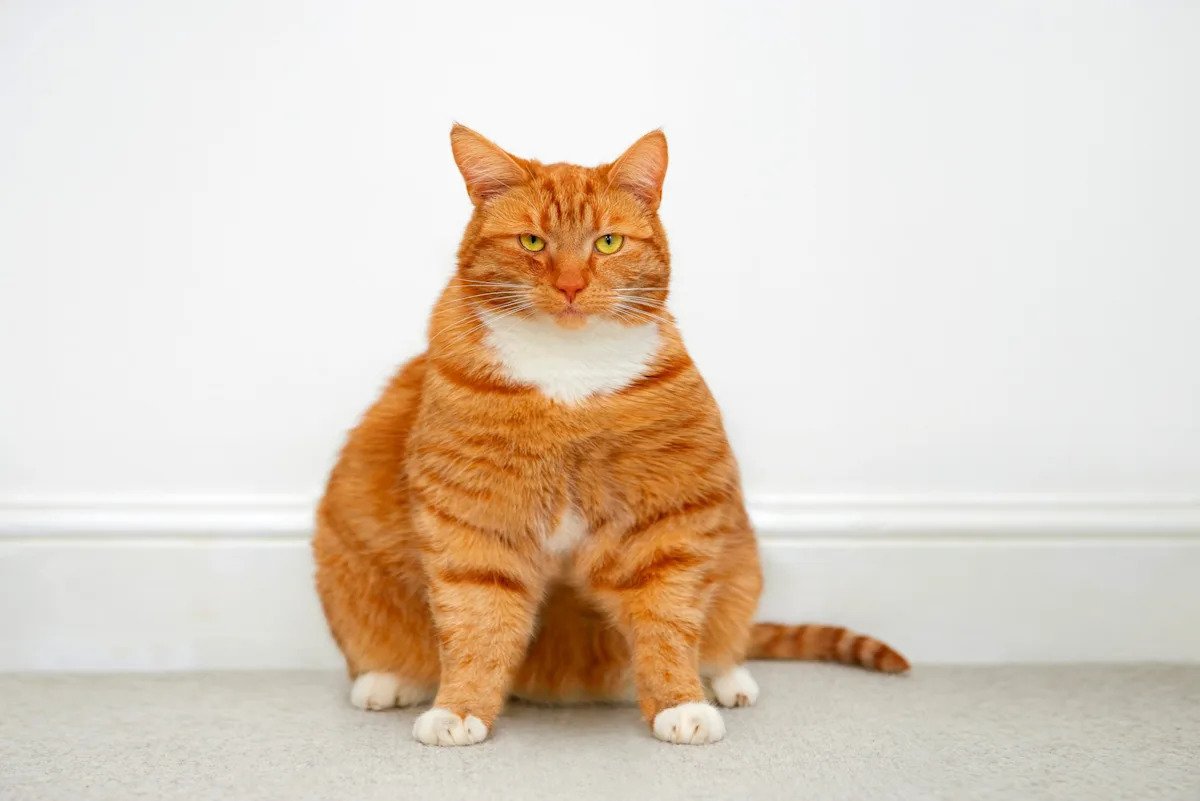
A biopharmaceutical company is looking for ways to slim down household pets.
Okava Pharmaceuticals, a San Francisco based company, plans to introduce on Tuesday a new GLP-1 clinical weight loss study for cats.
MEOW-1, as the study is called, will look to use OKV-119, a miniature implant, in cats which will deliver the GLP-1, continuously for up to six months.
According to Okava, MEOW-1 is the first-ever weight loss trial using this approach on household pets.
Eli Lilly’s next generation weight loss drug shows promise, early trial results suggest
The study will examine up to 50 cats who will take the implant and have their weight studied at three months on the drug, though the cats will remain under evaluation for six months, according to Okava CEO Michael Klotsman.

STOCK PHOTO/Getty Images – PHOTO: Fat cat
Klotsman said the goal would be to file for FDA approval for the product between 2027 and 2028, and the target is for the product to cost owners an out-of-pocket payment of around $100 per month.
“Weight management offers transformative health benefits for cats. Weight reduction is the only proven means of extending a cat’s lifespan. Leaner cats have significantly reduced diabetes risk, and joint pain associated with excess body weight is eliminated,” read a description from Okava regarding the study.
The company says weight is a particularly important issue among felines as over 50% of domestic household cats are overweight or clinically obese.
Okava will use exenatide as its GLP-1 for the study, a different ingredient than is used in popular weight loss drugs for humans. Ozempic uses semaglutide and Mounjaro uses tirzepatide.
The company claims several advantages to using the drug on pets over using traditional diet or exercise regiments. Some of the pros the company cites are “reduced risk of diabetes through improved glucose metabolism” and “decreased osteoarthritic pain and inflammation.” Also among the advantages cited are “enhanced cardiovascular function” and “better insulin sensitivity.”
The company also says early studies have proven the implant and GLP-1 treatment is safe and beneficial to pets.
Beyond just cats, Okava plans to study dogs next.
Food and fitness make or break success on weight loss meds, report finds
Okava says the medicine works similarly in pets as it does in humans. “Pet owners should expect to see meaningful behavioral changes in their animals. Most notably, pets will become less food-motivated – they’ll show less begging behavior, reduced scavenging, and better portion control,” according to Okava.
“Beyond appetite changes, we anticipate owners will observe more active and energetic pets as the weight comes off and metabolic health improves.”
GLP-1s work helping people produce insulin and lower the amount of sugar in the blood. The drugs work by slowing down movement of food through the stomach and curbing appetite, thereby causing weight loss. Variations of GLP-1 drugs have become massively popular in recent years as injectable weight-loss medication.
