


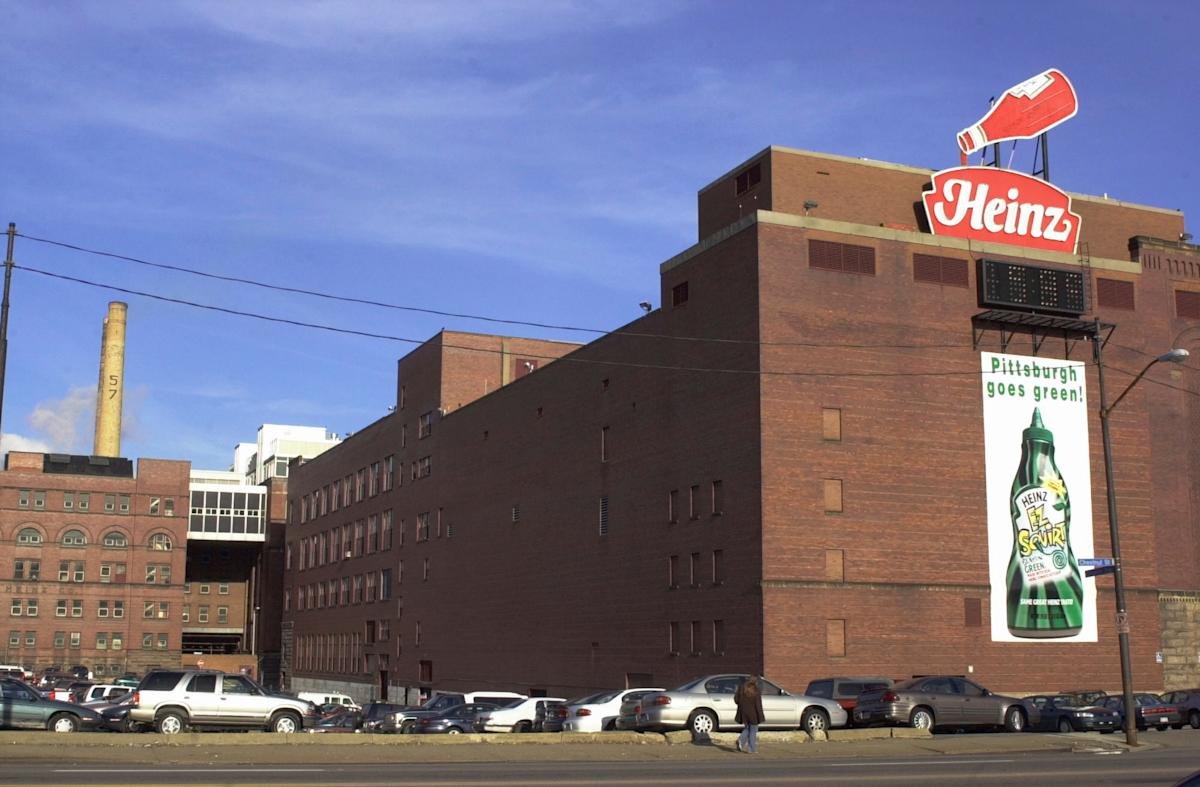
Kraft Heinz will be pulling artificial dyes from its U.S. products starting in 2027 and will no longer roll out new products with the dyes.
The move comes nearly two months after U.S. health officials said that they would urge foodmakers to phase out petroleum-based artificial colors in the nation’s food supply.
Kraft Heinz said Tuesday that almost 90% of its U.S. products already don’t contain food, drug & cosmetic colors, but that the products that do still use the dyes will have them removed by the end of 2027. FD&C colors are synthetic additives that are approved by the U.S. Food and Drug Administration for use in food, drugs and cosmetics.
Kraft Heinz said that many of its U.S. products that still use the FD&C colors are in its beverage and desserts categories, including certain products sold under brands including Crystal Light, Kool Aid, Jell-O and Jet Puffed.
The company said that it will instead use natural colors for the products.
“The vast majority of our products use natural or no colors, and we’ve been on a journey to reduce our use of FD&C colors across the remainder of our portfolio,” Pedro Navio, North America President at Kraft Heinz, said in a statement.
Kraft Heinz stripped artificial colors, flavors and preservatives from its macaroni and cheese in 2016 and said it has never used artificial dyes in its ketchup.
The company plans to work with licensees of its brands to encourage them to remove the dyes.
In April Food and Drug Administration Commissioner Marty Makary said at a news conference that the agency would take steps to eliminate the synthetic dyes by the end of 2026, largely by relying on voluntary efforts from the food industry.
Health advocates have long called for the removal of artificial dyes from foods, citing mixed studies indicating they can cause neurobehavioral problems, including hyperactivity and attention issues, in some children. The FDA has maintained that the approved dyes are safe and that “the totality of scientific evidence shows that most children have no adverse effects when consuming foods containing color additives.”
The FDA currently allows 36 food color additives, including eight synthetic dyes. In January, the agency announced that the dye known as Red 3 — used in candies, cakes and some medications — would be banned in food by 2027 because it caused cancer in laboratory rats.
Artificial dyes are used widely in U.S. foods. In Canada and in Europe — where synthetic colors are required to carry warning labels — manufacturers mostly use natural substitutes. Several states, including California and West Virginia, have passed laws restricting the use of artificial colors in foods.
Many U.S. food companies are already reformulating their foods, according to Sensient Colors, one of the world’s largest producers of food dyes and flavorings. In place of synthetic dyes, foodmakers can use natural hues made from beets, algae and crushed insects and pigments from purple sweet potatoes, radishes and red cabbage.
