


NEW YORK − Health officials are still finding cases in one of the city’s largest Legionnaires’ disease outbreaks in years as they continue monitoring Harlem cooling towers suspected of sickening more than a hundred people.
On Aug. 19, New York City health officials identified a fifth person died before mid-August from the central Harlem outbreak of Legionnaires’ disease, which is a severe type of pneumonia. Since the outbreak began in late July, 108 people have been identified as sickened, according to the New York City health department.
The outbreak is concentrated across five ZIP codes in central Harlem, a historically Black neighborhood in Manhattan.
New cases continue to decline as officials remediate cooling towers suspected to harbor the Legionella bacteria that causes the disease.
When was the last large Legionnaires’ outbreak in NYC?
The health department identifies cases each year, sometimes resulting in death.
The city saw its largest recent outbreak in 2015. Then, 138 cases and 16 deaths were linked to a single cooling tower in the South Bronx, just across the Harlem River from the Harlem neighborhood. A more recent outbreak in 2022 in the Bronx’s Highbridge neighborhood saw 30 people sickened, a city health department report said.
Decades earlier, a large outbreak in Pennsylvania gave Legionnaires’ disease its name. In 1976, an outbreak at an American Legion veterans organization state convention in a Philadelphia hotel infected 180 people and killed 29.
How does Legionnaires’ disease spread?
The bacteria − found naturally in freshwater − grows in warm or hot water, according to the Centers for Disease Control and Prevention. The disease doesn’t spread between people, but from mist containing bacteria that people inhale, city health officials said.
Without maintenance, water systems, such as hot tubs, cooling towers, hot water tanks or big plumbing systems give the bacteria ideal places to grow. CDC estimates nine in 10 outbreaks were caused by preventable problems with effective water management.
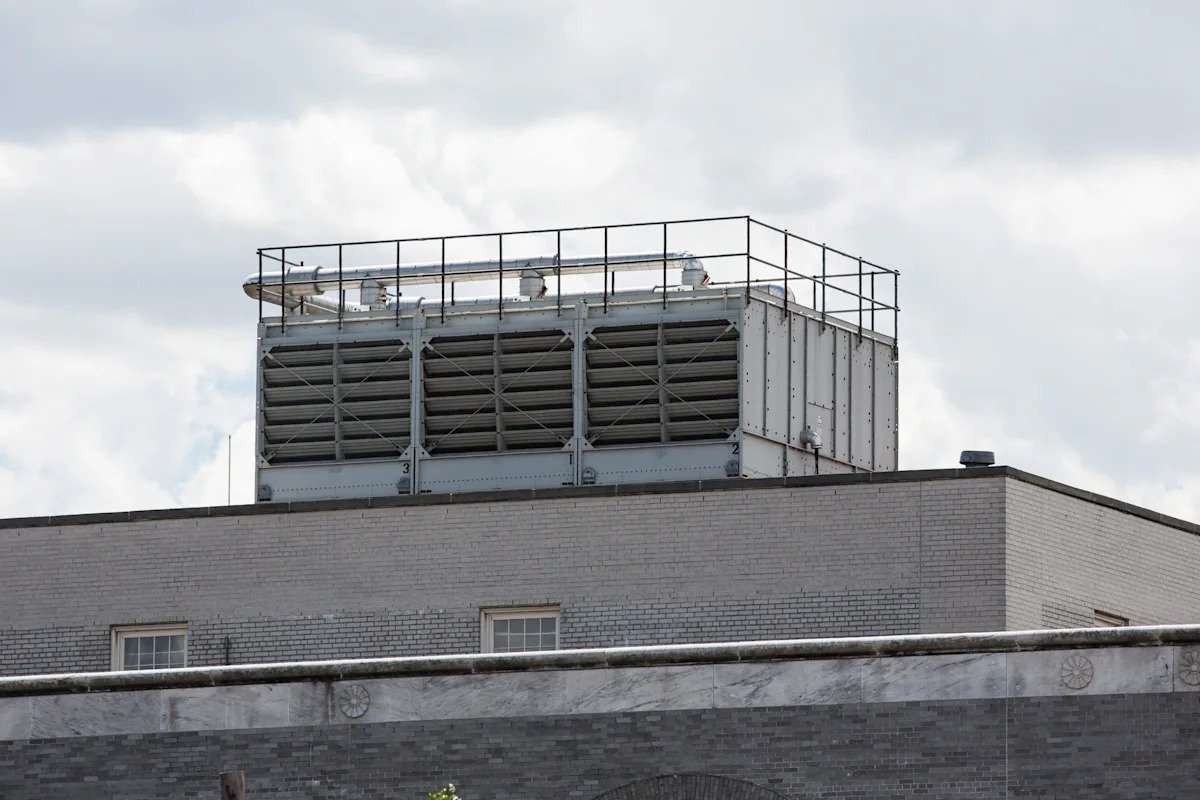
In New York, officials suspect a dozen cooling towers, used atop 10 larger buildings to control the temperature of cooling systems using fans and water as heat exchangers, caused the current outbreak. The cooling towers sprayed mist containing from the tops of buildings.
Legionnaires’ disease doesn’t spread by drinking water, or from cooled air from air conditioners. Window AC units, ubiquitous on many buildings in New York, also aren’t a risk for bacterial growth, since they don’t use water to cool the air.
City health officials have sampled and tested water from the cooling towers and treated affected buildings in the five ZIP codes (10027, 10030, 10035, 10037 and 10039).
What are Legionnaires’ disease symptoms?
Most people exposed to the bacteria don’t develop Legionnaires’ disease. The risk to most people in central Harlem ZIP codes is low, but people who live or work in the area and have flu-like symptoms are urged to seek care right away, city health officials said in an Aug. 6 notice to residents.
As a severe form of pneumonia, symptoms include fever, chills, muscle aches and cough, city health officials said. People can also get headaches, fatigue, loss of appetite, confusion or diarrhea. Symptoms develop between two and 10 days after exposure, but it can be up to two weeks.
People at higher risk include those ages 50 and older, smokers, have chronic lung disease and have weakened immune systems from a condition or medication.
Possible complications can include lung failure and death, with about one in 10 people who get sick dying from the disease due to complications from illness, CDC said.
The disease is easily treatable with antibiotics. If people develop symptoms, they should seek medical care right away.

A water cooling tower found to have traces of Legionella bacteria, which may have helped cause the recent outbreak of Legionnaires’ disease in the Bronx, is seen atop a U.S. Post Office building in New York City.
What is risk ahead?
With hotter, more humid temperatures in a warming climate, Legionnaires’ disease is a growing health concern. CDC data shows the condition is becoming more common in recent decades.
In New York, outbreaks tend to oscillate between predominantly lower income Black and Latino neighborhoods, a former health official previously told USA TODAY.
Contributing: Thao Nguyen, USA TODAY
Eduardo Cuevas is a reporter for USA TODAY based in New York City. Reach him by email at emcuevas1@usatoday.com or on Signal at emcuevas.01.
This article originally appeared on USA TODAY: What is Legionnaires’ disease? What to know about NYC outbreak
