


The market for AI-generated voice models is massive. Creative use cases require AI voice models to be more expressive, while enterprises looking to automate customer support and sales ops need them to be more steerable.
Palo Alto-based Fish Audio wants to cater to all of those use cases with its library of more than 15,000 natural language controls. Since launching last year, the startup today has more than 8 million people using the open-source or hosted versions of its models, and now generates annual recurring revenue of $21 million.
To continue building on that traction, the startup on Tuesday said it has raised $50 million in a seed round that was led by Coreline Ventures and Capital Today. The funding also saw participation from 359 Capital, Parable, Play Time, Alphalist Partners, Bayhouse Ventures, Carya Venture Partners, and HF0.
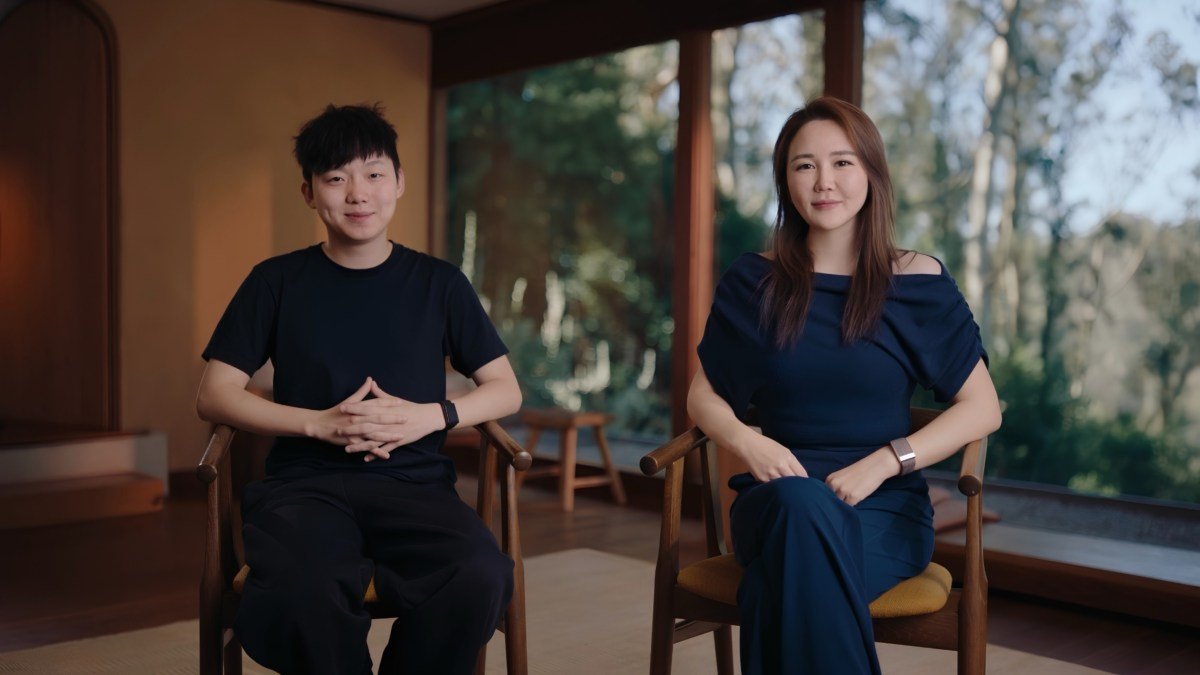
Fish Audio started as a small project by former NVIDIA researcher Shijia Liao, who, frustrated by non-expressive synthetic voices available on the market, trained a voice generation model on a single GPU, which he open-sourced. The Fish Speech repository on GitHub now has more than 31,000 stars, and is used by indie developers, video game designers, and creators.
The company has launched five models in the last year: four speech generation models and one speech-to-text model. It has open-sourced three of its speech generation models, but its latest S2.1 Pro model is available only through its paid API.
Fish Audio offers paid monthly plans suited for creators and teams that unlock a set number of minutes of generation, plus voice cloning features. The company also offers an enterprise version of its APIs and platform, and says organizations like HeyGen, Sanas and Plaud are already using it.
“Every enterprise has different use cases and different preferences. For example, companies like HeyGen, which use our voices to power AI avatars, want realism in voices; a gaming studio would want expressive voice for their characters; and voice agent companies like LiveKit want more natural-sounding and low-latency voices that are expressive enough for calls,” Cao said.
One way the startup has built its library of voices is by simply asking users to submit their own voices for training its models, and compensating them if their voices are used. That resulted in some trouble a few months ago, however, as some creators alleged that their voices were uploaded to Fish Audio without their consent. The startup had a DMCA content take-down process in place to address such concerns, but the take-downs themselves took a long time.
Fish Audio’s CEO and co-founder Rissa Cao told TechCrunch that the company has now automated the take-down process. Creators can easily submit a short voice sample or a contract to prove that an uploaded voice belongs to them, and their voice will be taken off the startup’s platform in less than 3 minutes, she said.
Still, that doesn’t prevent anyone from uploading an artist’s voice without their knowledge. And until the artist finds out, their voice will continue to be used on the platform until they file for it to be taken down.
Oskue Honda, a partner at Coreline Ventures, said a community-driven model only works when creators trust the platform.
“A community-centric approach can only become a durable advantage if creators trust the platform. That means consent, transparency, and attribution must be built into the product rather than treated as afterthoughts. I believe the industry needs to move toward verified voice ownership, clear licensing terms, easy reporting and takedown processes, and eventually revenue-sharing models where creators benefit financially when their voices are licensed or used commercially,” he said.
Cao said when the startup was only offering its product as an open-source project with plans for creators, it was running efficiently and didn’t need money. But it wanted to develop more advanced models, and also wanted to accommodate enterprises as investor interest was ramping up, which led it to seek capital.
Looking ahead, Fish Audio plans to release an audio understanding model this year. It’s also building a speech-to-speech model.
The speech generation market is crowded, with companies like ElevenLabs, WellSaid, Cartesia, Speechify, Async (previously Podcastle), and Krisp competing for creators and enterprises’ wallets.
According to Rico Mallozzi, a partner at 359 Capital, fine-grained controls for developers and cost-efficient model training will help Fish Audio compete better with big AI labs.
“I think what they’ve been able to build, state-of-the-art models, with the team they have, compared to some of these other well-funded AI labs or companies, is incredible. It shows their technical acumen in closing the gap between artificial-sounding and human-like voices,” Mallozzi told TechCrunch over a call.
When you purchase through links in our articles, we may earn a small commission. This doesn’t affect our editorial independence.
