


The first human case of the flesh-eating parasite new world screwworm has been detected in the United States, the Department of Health and Human Services said early Monday.
The case, related to a person who had recently traveled to El Salvador, was confirmed to be screwworm by the CDC on Aug. 4, HHS spokesman Andrew G. Nixon confirmed to Reuters, who first reported the story.
“The risk to public health in the United States from this introduction is very low,” he said.
Reuters reported last week, citing U.S. beef industry sources, that a person in Maryland contracted the parasite after visiting Guatemala — it’s unclear whether that report concerns the same case.
NBC News has contacted the DHH and authorities in Maryland but had not received a response by the time of publication.
The parasite — the larvae of the new world screwworm fly — can devastate cattle herds and is rife in parts of Central America, including Mexico. It can destroy wildlife and even kill household pets.
There were serious outbreaks in the 1980s and 1990s in Central America and it was eradicated at great expense, only to return in the last two years.
U.S. Secretary of Agriculture Brooke L. Rollins traveled to Texas to announce a five-part plan to combat the screwworm on Aug. 15
This includes plans to breed billions of sterile flies and dump them from the air over southern Texas and Mexico in the hope of stopping the parasite’s spread.
The sterilized male flies mate with females, but the eggs don’t hatch. Eventually, the population reduces and dies out. This technique worked in the 1960s when the U.S. suffered its last screwworm outbreak.
And the federal government may face calls to accelerate its work on this: When first announced in June, the sterilization plan wasn’t due to be operational for “two to three years.”
Texas Gov. Greg Abbot, commenting on the federal government scheme, said the state agriculture industry, with its 2 million jobs, was worth $867 billion. “All of this is at risk because of the New World screwworm.”
A report from the USDA last year estimated an outbreak of screwworm could cost Texas at least $1.8 billion due to livestock deaths, labor costs and medication.
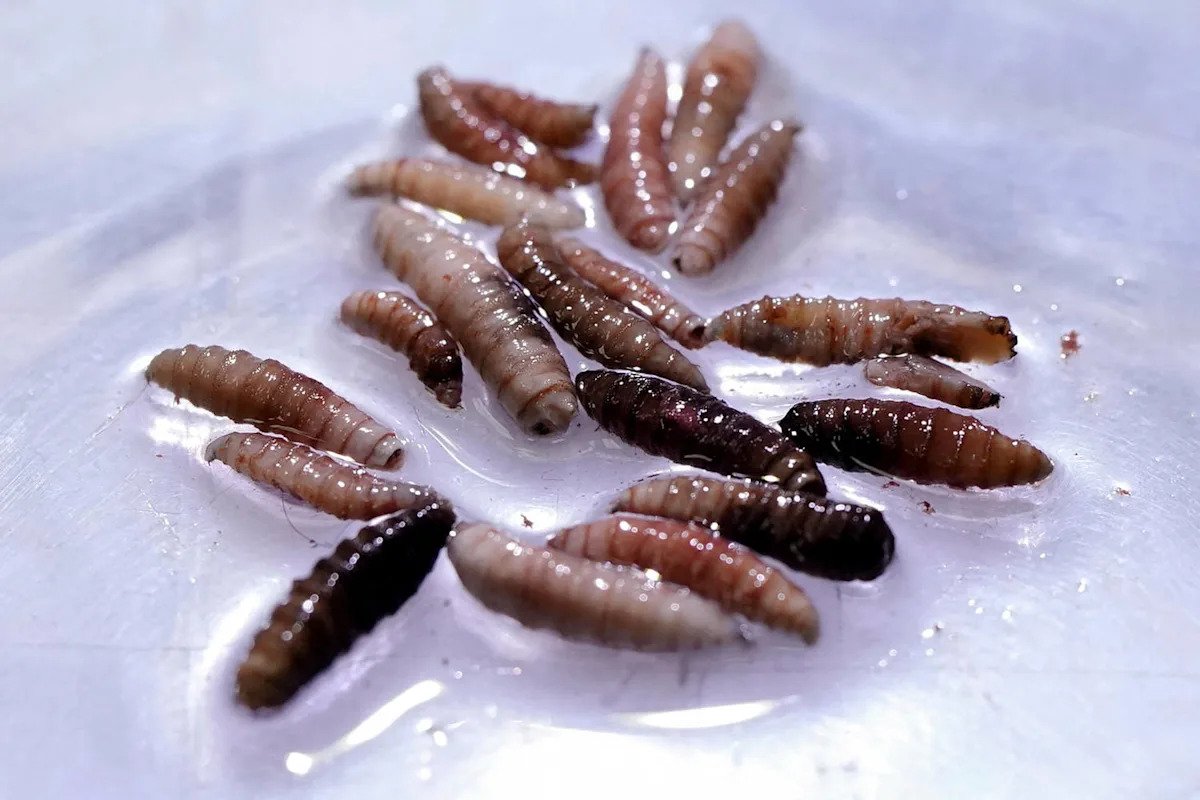
The little parasitic flies — also known as cochliomyia hominivorax — have an effect that’s vast and devastating, but in isolation quite disgusting. The females can lay eggs in any warm-blooded animal, which then hatch unleashing hundreds of screwworm larvae, so-called because of their sharp mouths and their burrowing being compared to the motion of a screw.
Human infections can be fatal but are rare and most cases can be treated.
The USDA has said that screwworms have been making their way north into Mexico from other parts of Central America. The fly is endemic in Cuba, Haiti, the Dominican Republic and some South South American nations it said.
Mexico reported a case in Ixhuatlan de Madero, Veracruz, in July, 370 miles from the Texas border, prompting DHH to immediately shut down cross-border cattle trade, following similar stops in November and May.
This article was originally published on NBCNews.com
