


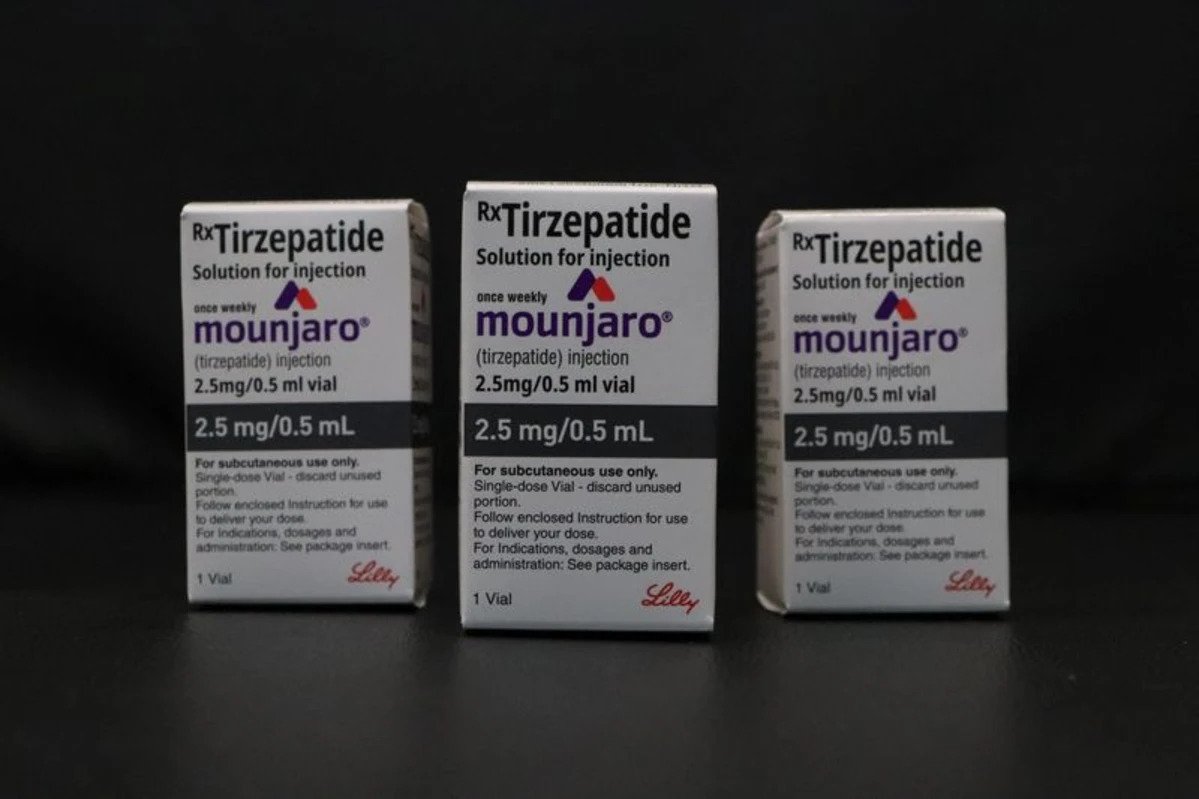
March 20 (Reuters) – Taking GLP-1 drugs for diabetes has been shown to lower the risk of adverse heart events, but a new analysis found that going off the medication – even for a few months – may increase the odds of heart attack, stroke or death.
“Stopping GLP-1 drugs can rapidly erode and potentially reverse the cardiovascular protection these medications provide,” said study leader Dr. Ziyad Al-Aly of the Veterans Affairs Saint Louis Health Care System in Missouri. “Months of stopping can undo years of progress.”
Researchers studied more than 333,000 adults who were treated for type 2 diabetes with either GLP-1 drugs or an older class of medications called sulfonylureas, using three years of medical records in a U.S. VA database.
GLP-1 diabetes drugs include Ozempic and Victoza from Novo Nordisk and Eli Lilly’s Trulicity and Mounjaro.
Patients who stayed on GLP-1s continuously saw an 18% reduction in cardiovascular risk compared to patients taking sulfonylureas. But stopping for as little as six months erased much of that protection, raising risk by 4% compared to continued use.
After two years off treatment, cardiovascular risk rose by 22% compared with continuous use, according to a report in BMJ Medicine.
“Restarting the medication helped restore some cardioprotective effects, but only partially,” Al-Aly said.
Many patients cycle on and off these drugs due to side effects, shortages, and cost, he noted.
“When they stop, it’s not just weight that comes back. They experience resurgence in inflammation, blood pressure, and cholesterol,” Al-Aly said.
“Weight regain is visible, the metabolic reversal is not. We think of this as a form of metabolic whiplash, and it seems to be detrimental to heart health.”
MORNING EXERCISE LINKED WITH LOWER CARDIOMETABOLIC RISK
Any exercise is better than none, but early morning physical activity may bring added benefits, researchers say.
Tracking 14,000 U.S. volunteers sharing Fitbit-derived heart-rate data, researchers found those who frequently exercised in the morning were 31% less likely to have coronary artery disease compared to those who exercised later in the day.
They were also 18% less likely to have high blood pressure, 21% less likely to have high cholesterol, 30% less likely to have type 2 diabetes, and 35% less likely to have obesity, regardless of the total daily amount of physical activity.
Exercise between 7 a.m. and 8 a.m. was associated with the lowest odds of coronary artery disease, the study found.
Researchers plan to present the findings at the annual meeting of the American College of Cardiology this month in New Orleans.
The data, which represents the first large study to assess exercise amount and timing based on long-term use of wearable devices, cannot show whether the relationship between exercise timing and cardiometabolic health is causal or mediated by other factors.
Biological factors such as hormones, sleep or genetics, and behavioral and psychological factors also could be involved, the researchers noted.
Further research could help to determine the role of such factors and inform exercise recommendations, the authors said.
“In the past, researchers have mainly looked at how much physical activity to do, the number of minutes or the intensity of physical activity,” study leader Prem Patel, a medical student at the University of Massachusetts Chan Medical School, said in a statement.
“Now, with 1 in 3 Americans having a wearable device, we’re gaining the ability to look at exercise at the minute-by-minute level, and that opens a lot of doors in terms of new analyses.”
(To receive the full newsletter in your inbox for free sign up here)
(Reporting by Nancy Lapid; Editing by Bill Berkrot)
