


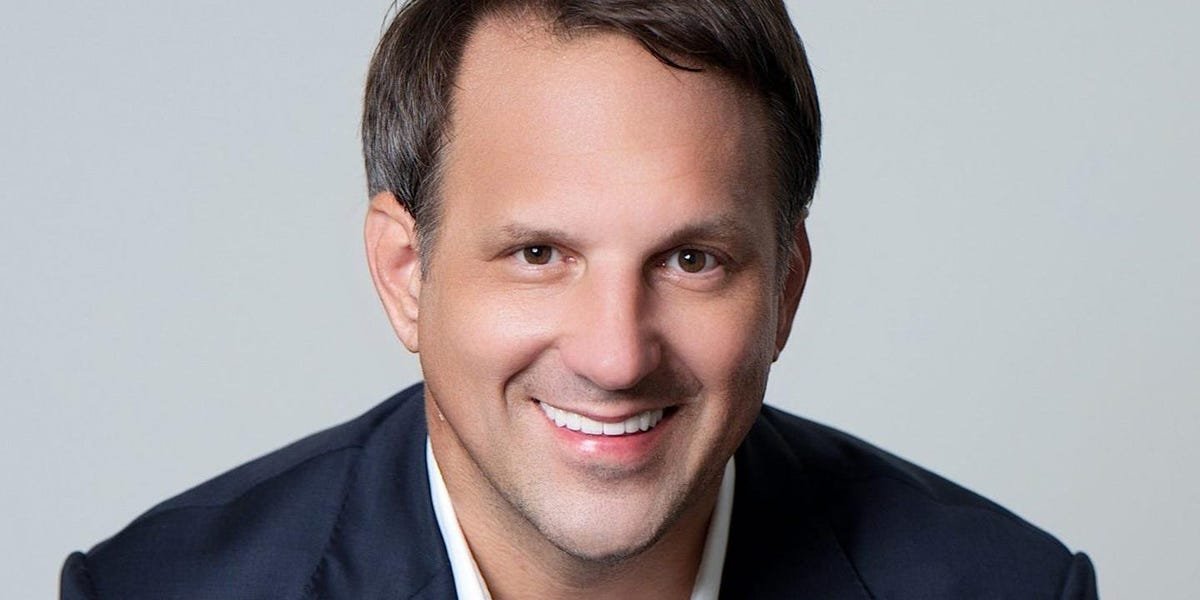
After 17 years at Quinn Emanuel, Christopher Kercher began building his new law firm from the line for Big Thunder Mountain Railroad at Disney World.
With Claude on his phone, he cruised through some of the chores that come with starting a firm. Five years ago, Kercher said, the sheer hassle might have persuaded him to give up. Artificial intelligence removed enough of the friction to make striking out on his own feel possible.
Now, Kercher is betting the technology can do something more ambitious: change the shape of the law firm itself.
At Kercher Law, he plans to take on the high-stakes corporate disputes that defined his practice at Quinn Emanuel, one of the world’s largest litigation firms. He expects to do the work with far fewer lawyers.
For generations, large law firms have been structured like pyramids. At the bottom, junior lawyers sift through documents, research the law, and write first drafts. Their work travels through progressively smaller layers of senior associates before reaching the lead partner, who makes the important calls.
Each handoff adds judgment. It also adds time — and another line to the bill.
Kercher is building a law firm around the idea that artificial intelligence can shrink some of those layers. He expects to employ no more than “low double digits” of attorneys. At launch, he is the firm’s sole trial lawyer, supported by a small team handling technology and operations.
“I am not going to rebuild the pyramid,” Kercher said.
Instead, he expects the firm to look more like an obelisk (think the Washington Monument). It would stand lean from bottom to top, with experienced lawyers working more directly with the software systems that gather facts and crank out drafts.
Kercher is part of a small but growing group of lawyers walking away from Big Law to build “AI-native” firms. They are betting that boutiques can adopt new tools faster than large firms, where software can spend months winding through red tape.
The experiment comes with regulatory and ethical questions, however. These firms must show they can try new ways of practicing law without cutting corners on the rules of the profession.
For clients, Kercher argues, a small firm’s edge goes beyond a smaller bill. Large teams impose what he calls a “coordination tax.” Lawyers spend time bringing one another up to speed, while facts and nuance can get lost as work moves from associates to partners.
The model also lets Kercher offer clients different ways to get legal help. He has begun holding standing monthly meetings for a flat fee, using the conversations to learn the business. When a dispute comes up, Kercher said he can reach a view faster about whether the claim is worth fighting, settling, or heading off entirely.
That speed depends on giving bots more of the work that once flowed through associates. Kercher relies on broad-use AI tools ChatGPT and Claude rather than software specifically built for lawyers. He uses them to turn sprawling sets of emails, contracts, and other records into timelines and to organize his thinking about how the facts and characters fit together.
He has also built a Claude skill that plays opposing counsel, probing his arguments for weaknesses before the other side gets the chance.
That digital adversary is part of a broader experiment. How much can one litigator accomplish with an army of digital coworkers?
Kercher did not bring any Quinn Emanuel partners with him. He said the solo launch was deliberate. Before building out the firm’s human ranks, he wants to see how far technology can extend his reach — and where another lawyer can add something Claude cannot.
