


People who stop taking GLP-1 medications like Wegovy and Zepbound started to regain weight in a short amount of time, a new study suggests.
Researchers analyzed 11 different studies to understand weight outcomes after stopping anti-obesity medications called glucagon-like peptide-1 receptor agonists, or GLP-1s, which mimic the GLP-1 hormone that is produced in the gut after eating.
It can help produce more insulin, which reduces blood sugar and therefore helps control Type 2 diabetes. It can also interact with the brain and signal a person to feel full, which — when coupled with diet and exercise — can help reduce weight in those who are overweight or obese.
MORE: Compound versions of GLP-1 drugs for weight loss halted by FDA
The team, from Peking University People’s Hospital in China, found that most began to regain weight within about two months of stopping treatment. In many cases, that weight gain continued for several months before leveling off.
The study was published Tuesday in the journal BMC Medicine.

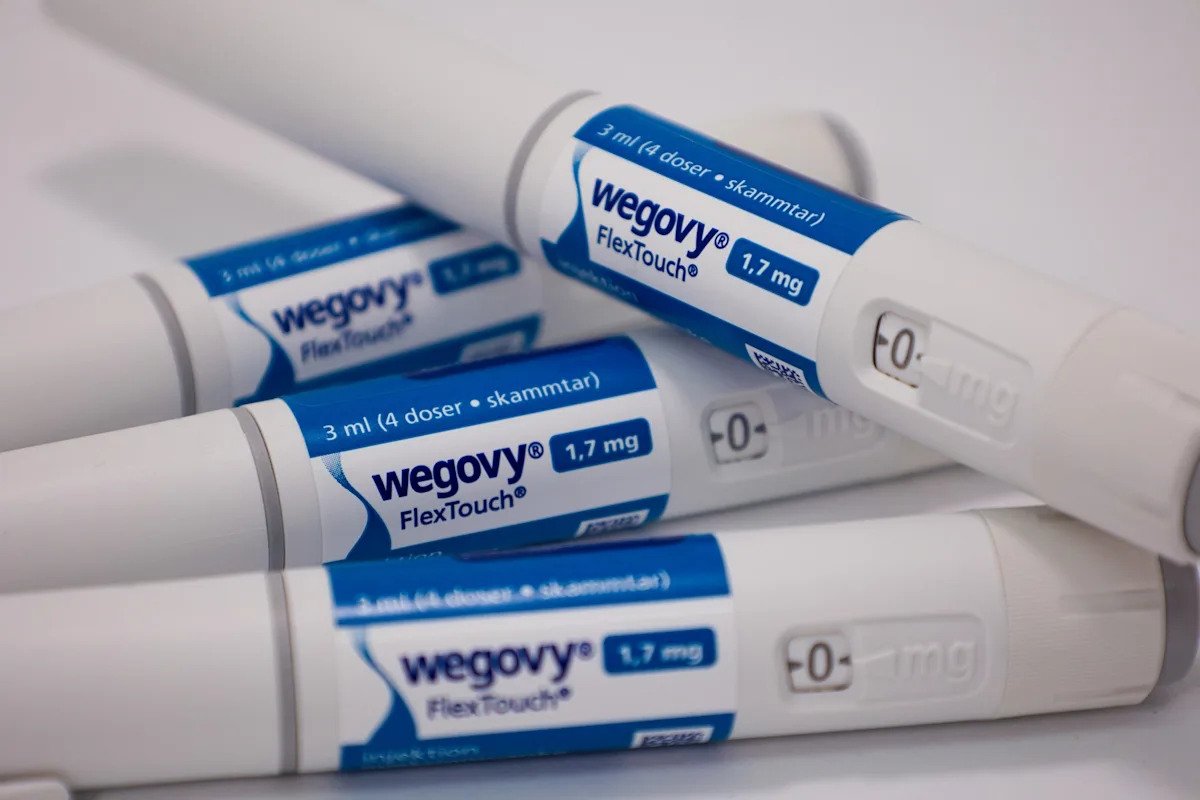
Patrick Bay Damsted/Adobe Stock – PHOTO: Wegovy 1.7 mg injection pens.
However, Dr. Louis J. Aronne, founder and former chairman of the American Board of Obesity Medicine, told ABC News that doesn’t mean the medications failed. In fact, they worked exactly as intended, he said.
Aronne, who is also a physician at Weill Cornell Medicine, said the findings are consistent with what happens when treatment ends for other chronic conditions.
“What happens after stopping an obesity medication is exactly what happens after stopping a diabetes, cholesterol-lowering, or a blood pressure medication,” he told ABC News. “The effect of the medicine goes away, and people tend to go back to where they started.”
Patients who had taken GLP-1s tended to lose more weight during treatment, which meant they had more weight to gain back afterward.
“It’s not that the medicine didn’t work,” Aronne said. “It’s that they lost more weight, so they had more weight to regain.”
Even participants who continued healthy eating and exercise habits after stopping medication experienced weight gain.
MORE: Compound versions of GLP-1 drugs for weight loss halted by FDA
That doesn’t mean those efforts weren’t worthwhile, Aronne further explained, but rather that obesity is a chronic disease with complex biological drivers.
“You wouldn’t stop insulin and expect a person’s blood sugar to stay low,” he said.
The researchers noted several limitations, including a small number of included studies and a focus on weight and BMI without tracking other health markers like blood sugar or cholesterol.
These medications may not right for everyone, and decisions about starting or stopping should be made with your doctor, according to MedlinePlus.
People with certain medical conditions, including a history of pancreatitis or thyroid cancer, may not be good candidates, and should speak with their doctor to decide what management strategies are right for them.
Alexandra-Elise Dakaud Patterson, MD, MS, is a general surgery resident at University of Toledo Medical Center and a member of the ABC News Medical Unit.
