


States across the Central and Eastern U.S. are under extreme heat watches and warnings as the areas are facing “dangerous heat,” according to the National Weather Service.
“Though record high temperatures are expected in the coming days, the duration of the heat, as demonstrated by the numerous record warm morning lows, will make this period especially oppressive,” the National Weather Service posted on X June 20.
The weather service has issued extreme heat warnings for areas in over a dozen states, as they face the highest temperatures of the year so far. It also issued extreme heat watches in several states and Washington D.C., according to an advisory issued to the agency’s website.
Here’s everything you need to know about the heat wave.
Which states are under an extreme heat warning?
Portions of the following states have been placed under an extreme heat warning, according to the National Weather Service:
Difference between extreme heat watch and extreme heat warning
Areas where dangerous heat is possible are placed under an extreme heat warning and are asked to prepare in case it happens.
Areas where dangerous heat “is happening or about to happen” are placed under an extreme heat warning, according to the weather service.
While areas that are placed on a watch are asked to reschedule any planned outdoor activities, people in areas placed under warnings are told to avoid any heavy activity and direct sunlight.

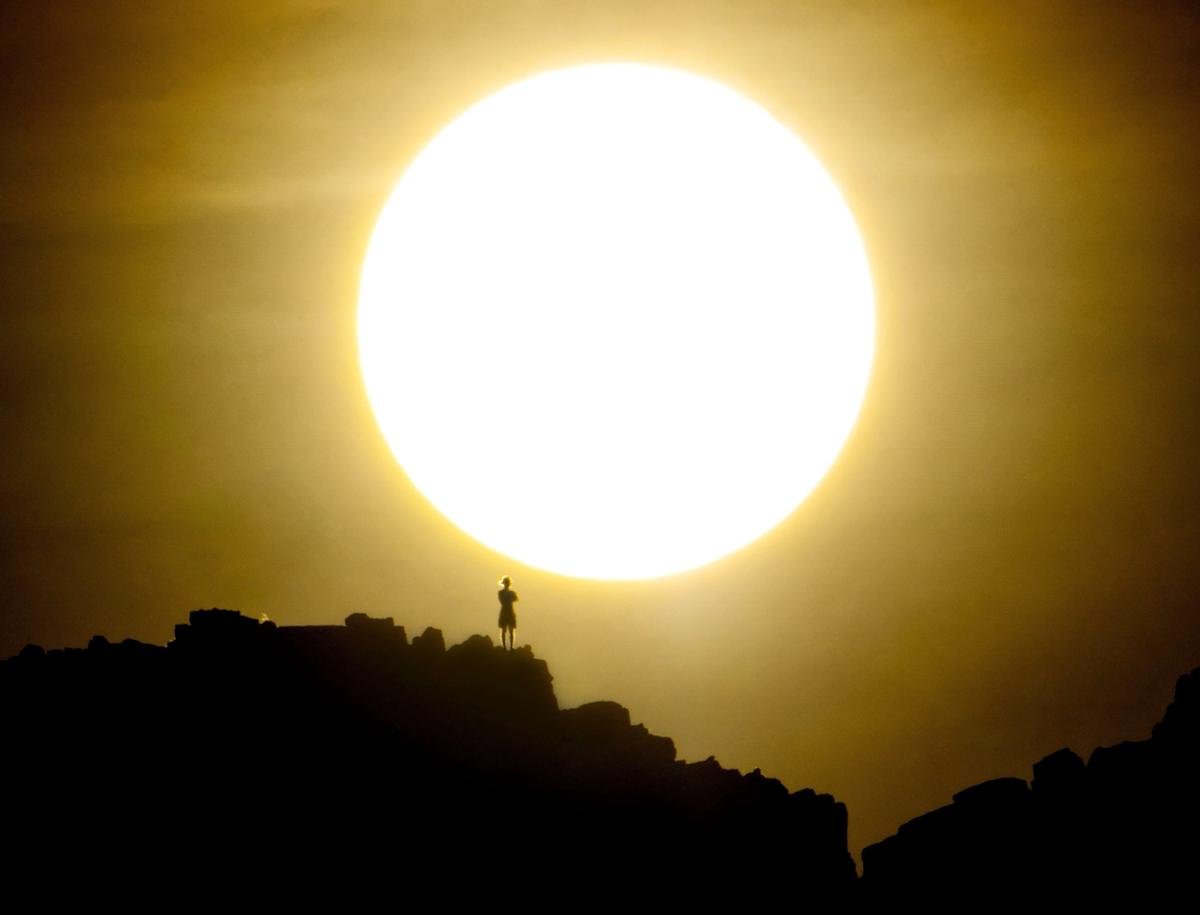
A climber watches the sunrise from the summit of Piestewa Peak in Phoenix on July 16, 2023.
How to stay safe during extreme heat
People facing extreme heat should do the following, according to NWS:
Stay in an air-conditioned room
Check up on relatives and neighbors
Do not leave young children and pets in unattended vehicles
Wear lightweight and loose-fitting clothing outdoors
Limit strenuous activities to early morning or evening
Heat exhaustion and heat stroke
The extreme heat could negatively impact people’s health.
“Heat-related illnesses increase significantly during extreme heat and high humidity events,” according to the National Weather Service.
The following factors increase the possibility of a heat-related illness, according to the National Park Service:
Age: Infants, young children and people over 65 are more susceptible to heat illness
Prescription drug and alcohol use
What are the symptoms of heatstroke?
There are multiple forms of heat illnesses, but heatstroke is the deadliest and most dangerous, according to the NPS.
The following are symptoms of heatstroke, according to the Centers for Disease Control and Prevention:
Body temperature of 103 degrees or higher
Skins that is hot, red, dry or damp
In the case of a heatstroke, the CDC recommends people do the following:
Move the person suffering from heatstroke to a cool location
Lower the person’s body temperature with a cool cloth or bath
Do not give the person suffering from a heatstroke water or anything to drink
Julia is a trending reporter for USA TODAY. Connect with her on LinkedIn, X, Instagram and TikTok: @juliamariegz, or email her at jgomez@gannett.com
This article originally appeared on USA TODAY: What’s the difference between an extreme heat watch and warning?
