


NEW YORK (AP) — Three months after his release from an immigration jail, Palestinian activist Mahmoud Khalil is facing the growing threat of deportation for his role in campus protests against Israel.
In court documents made public Wednesday, an immigration judge in Louisiana ruled that Khalil should be deported for failing to disclose information on his green card application.
The decision marked a setback for Khalil, a lawful U.S. resident and recent Columbia University graduate student who became the first person targeted by President Donald Trump’s aggressive crackdown on pro-Palestinian activists. But while the ruling puts him one step closer to a final order of removal, it is far from the last word in the case.
For now, Khalil remains protected from detention and deportation under a separate judicial order. His legal team has said they intend to appeal the immigration judge’s ruling, which Khalil has characterized as “further evidence of retaliation” from a “kangaroo court.”
Here’s a look at where things stand in the ongoing legal battle:
What did the immigration judge in Louisiana decide?
The Sept. 12 ruling by the immigration judge, Jamee Comans, builds on her previous order issued in April, which found Khalil could be forced out of the country as a national security risk.
Khalil’s attorneys had challenged that decision, citing his lack of criminal history and close ties to the United States. His wife is a U.S. citizen, as is his 5-month-old son, who was born while Khalil was in federal custody.
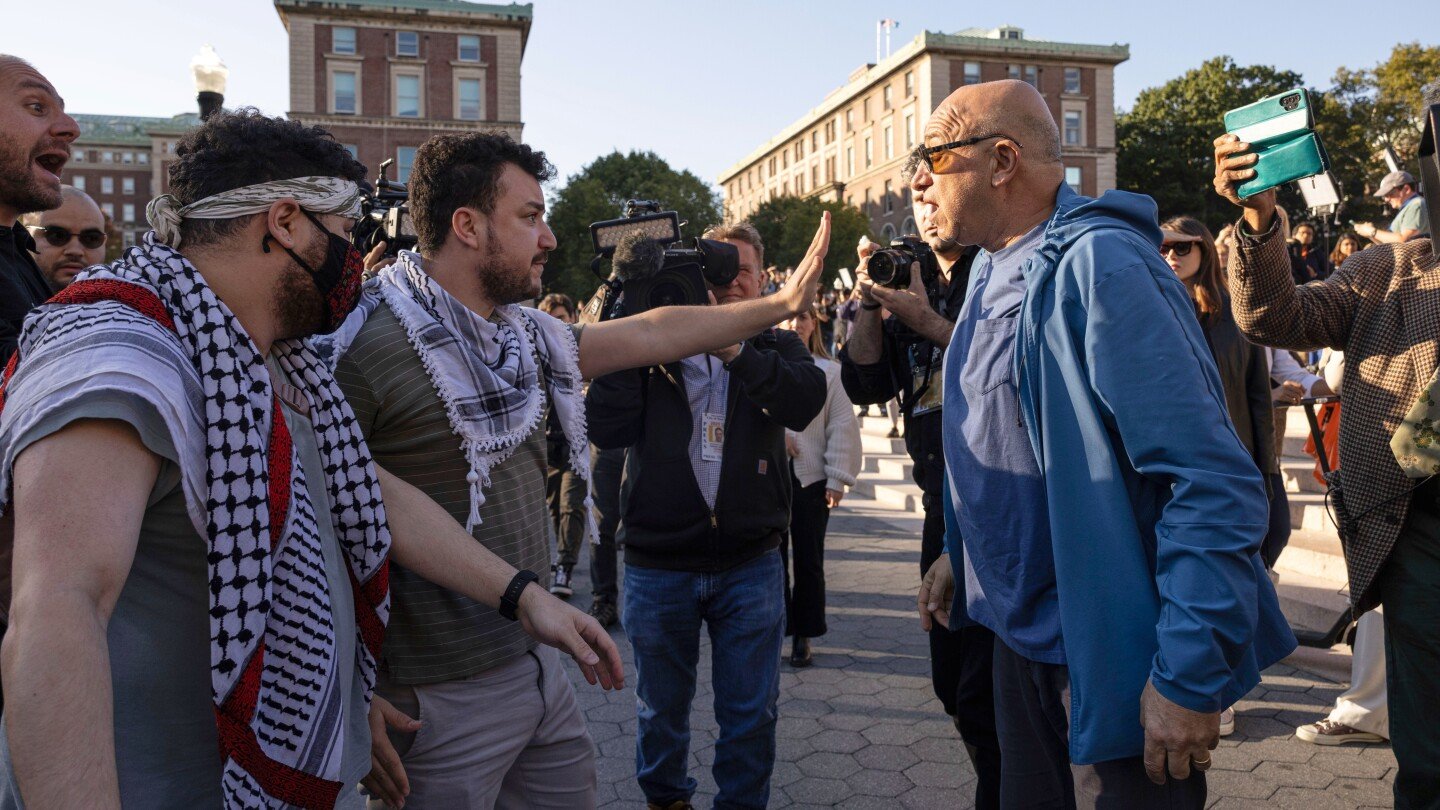
Khalil was a prominent figure in protests at Columbia University against the war in Gaza, which spread to campuses nationwide. He was arrested inside his campus apartment building this past March and accused by the Trump administration of supporting “pro-Hamas” activity, referring to the Palestinian militant group that attacked Israel on Oct. 7, 2023. Khalil has repeatedly denied the charge and the federal government has not provided evidence for it.
Khalil has argued he is being targeted for exercising his free speech, pointing to a memo by Secretary of State Marco Rubio that justified his arrest on the grounds that his pro-Palestinian beliefs could undermine U.S. foreign policy interests.
In her latest decision, Comans said she lacked the authority “to question foreign policy determinations” and that Khalil’s “limited family ties” to the country did not amount to a compelling reason to waive her prior ruling.
Comans then sided with the government on a separate claim, finding that Khalil had “willfully misrepresented” facts about his background on his green card application, including his role in a United Nations agency that provides services to Palestinian refugees.
Khalil has maintained that any omissions on the application were unintentional.
What happens now?
Khalil’s attorneys said Wednesday that they intend to appeal the decision. But they also expressed concern about their odds of success in the reliably conservative federal appeals court with jurisdiction over the case.
If he were to lose his appeal, Khalil would be stripped of his permanent residency status, further restricting his ability to work and travel, according to his attorneys. But the government would still be prohibited from removing him under a June 11 order from a federal judge in New Jersey, Michael Farbiarz.
That order will remain in place while his civil rights case plays out in New Jersey. It may soon be “the only meaningful impediment” to Khalil’s deportation, according to a letter that his attorneys sent Wednesday to Farbiarz.
Oral arguments in that case could begin as soon as next month.
Where would he be deported?
Judge Comans has said Khalil would be deported to Algeria, where he maintains citizenship through a distant relative, or “in the alternative” Syria, where he was born in a refugee camp to a Palestinian family.
Attorneys for Khalil have said the publicity surrounding his case would leave him in mortal danger if he were forced to return to either country.
Khalil, 30, fled Syria for Lebanon in 2013 after joining protests against then-President Bashar al-Assad. His family has roots in Tiberias but were displaced during the mass expulsion of Palestinians from what is now Israel, according to court documents.
Khalil has said he will continue advocating for Palestinians as his legal battle plays out. He is also currently suing the Trump administration for $20 million in damages, alleging that he was falsely imprisoned, maliciously prosecuted and smeared as an antisemite.
Emailed inquiries to the State Department, the White House and the Department of Homeland Security were not returned.
