


WASHINGTON (AP) — Lyme disease can cause serious harm, but so can bogus tests and treatments.
The complexity of diagnosing the tick-borne disease has given rise to an entire industry of unapproved tests and unproven alternative treatments that experts say should be avoided, including lasers, herbal remedies and electromagnets
“It really is a buyer-beware situation,” said Dr. Robert Smith, a Lyme specialist at MaineHealth Institute for Research.
There is no one-size-fits-all approach to diagnosing Lyme. Doctors use a combination of visual clues, information reported by their patients and the standard medical test, which has a number of limitations.
When patients show the classic symptoms — including a bull’s eye rash, fever and fatigue — a short course of antibiotics usually resolves them. But a subset of patients will go on to experience months or even years of arthritis, pain and fatigue — poorly understood symptoms that overlap with a number of other medical conditions.
That has left an opening for so-called “nonstandard” Lyme tests and treatments. Interest in those products has been amplified by influencers and a growing list of celebrities attributing various health problems to the disease, most recently Justin Timberlake.
That might lead patients to spend hundreds or thousands of dollars on bogus tests, which aren’t covered by insurance, followed by unapproved treatments that may do more harm than good. And it’s possible some of them may not have had Lyme at all.
In a recent consensus report from the National Academies of Sciences, Engineering, and Medicine, Smith and other experts called for more funding and research into the chronic symptoms experienced by some Lyme patients.
“The key thing is that these people are suffering and we need to come up with strategies to alleviate that suffering, whatever the trigger was,” Smith said.
At the same time, Smith and his colleagues warn that “profiteering entities” are pushing Lyme products that are “costly, may not work and may cause harm.”
Here’s a look at the established approach for testing and treating Lyme and how to spot unproven alternatives.
The standard Lyme test comes with limits
First identified 50 years ago, Lyme disease takes its name from the Connecticut town where the earliest cases were diagnosed.
The challenge of diagnosing it begins with the standard laboratory test, which comes with a number of caveats that must be carefully weighed.
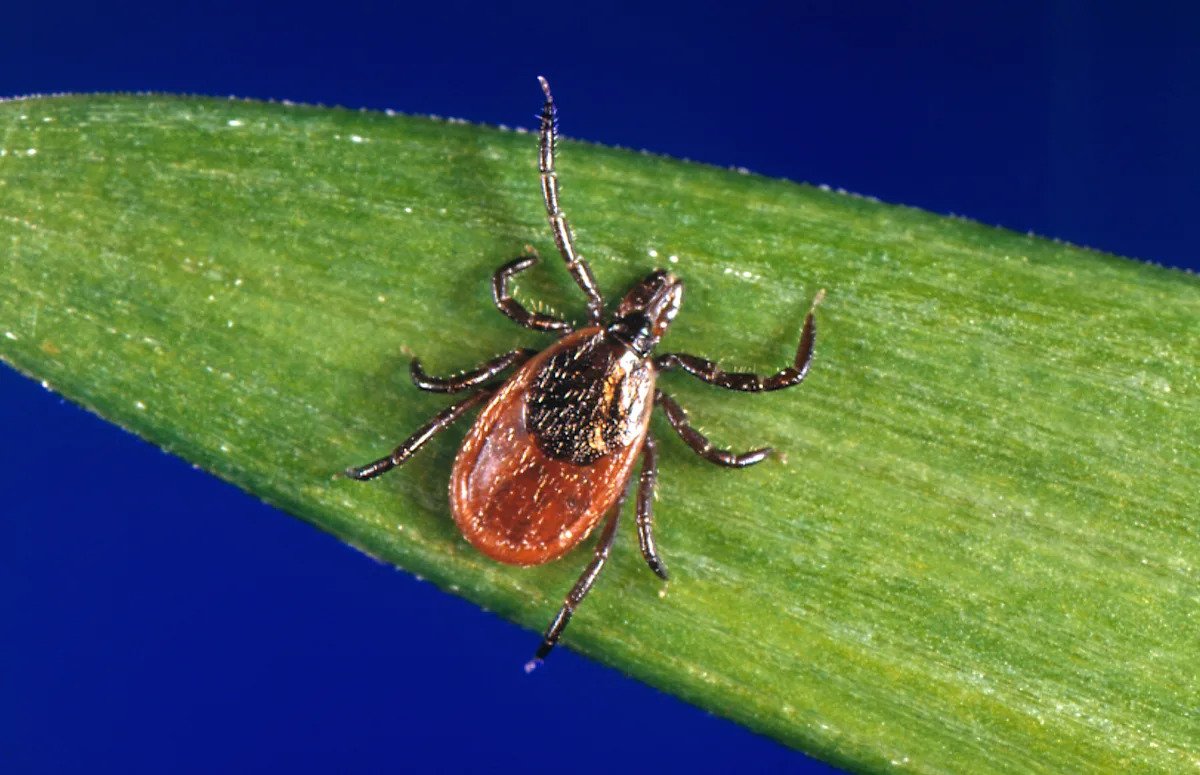
The bacteria that causes Lyme, carried by certain ticks in the Northeast and Midwest, doesn’t circulate throughout the body. Often it stays in the skin near the tick bite, making it hard to detect.
Instead, Lyme tests look for antibodies, proteins that help fight off foreign invaders, which usually only appear in the blood several weeks after an infection.
That’s the best approach available, but experts acknowledge its shortcomings: If the test is given too early it will come back negative because antibodies haven’t yet appeared.
“That’s one of the problems,” Smith says. “We can’t say for sure in the first couple of weeks that it’s Lyme disease or not based on these tests.”
Also, these antibodies continue to circulate in the blood long after the infection. That means the test can return a positive result years or even decades later — making it difficult to distinguish between a new case and an old one.
Medical guidelines deal with this ambiguity by recommending doctors diagnose and start antibiotics in all patients who have the signature bull’s eye rash associated with Lyme. But as many as 30% of those infected never get the rash, causing further uncertainty.
Unproven options for testing are plentiful
The limitations of the approved test has opened the door to alternative tests, ranging from over-the-counter kits to specialty laboratories.
The more expensive tests are often ordered by self-described “Lyme literate” physicians and health providers, who may have backgrounds in fields unrelated to infectious disease, like homeopathy.
Spotting unproven Lyme tests is relatively easy, since only antibody blood tests are approved by the Food and Drug Administration.
Any Lyme test available for sale at a drugstore or website is unapproved, says Andrea Love, a microbiologist and director of the American Lyme Disease Foundation. Another red flag is the use of saliva, urine or other bodily fluids besides blood to detect Lyme.
“When you see these other tests appear on the market, it’s very likely that they’re not accurate and haven’t done their due diligence, which should make people skeptical” Love says.
Patients will bear most of the costs for unapproved tests, which may provide inaccurate information and derail a diagnosis for other conditions that are sometimes mistaken for Lyme, such as rheumatoid arthritis.
While acceptance of post-treatment Lyme is growing, Love and some other experts recommend caution when approaching the topic. Studies estimate that 10% to 20% of people treated for Lyme will have ongoing symptoms that can’t be clearly explained. But she and others point to startlingly high numbers of people reporting such problems in regions that have no documented history of Lyme, such as Australia.
“The sheer number of people who believe they have these post-treatment Lyme symptoms is orders of magnitude higher than what you would expect among people who legitimately have Lyme,” she said.
Serious risks with alternative Lyme treatments
While the downsides of ineffective Lyme tests are considerable, experts say they are often the gateway to even riskier therapies.
A recent medical paper documented nearly 120 clinics across the U.S. offering unproven Lyme treatments, some with consultation fees as high as $3,000.
Treatments include electrical stimulation, “ozone-based therapy” and hyperbaric oxygen therapy, procedures that aren’t covered by insurance and can carry price tags as high as $6,000.
Love and other doctors say the most worrisome approach involves long-term intravenous use of antibiotics — sometimes multiple drugs for years.
While antibiotics are effective for quickly killing Lyme bacteria, multiple large studies have shown no benefits to their long-term use for chronic Lyme symptoms.
Smith and other experts have reported cases of patients who spent years getting regular antibiotic infusions, only to develop life-threatening gut infections after the drugs killed off healthy bacteria needed to support the digestive tract.
“There is clearly harm being done to people who are suffering and who, out of desperation, take on these great expenses or can be harmed by treatments that are not proven effective,” Smith said.
___
The Associated Press Health and Science Department receives support from the Howard Hughes Medical Institute’s Department of Science Education and the Robert Wood Johnson Foundation. The AP is solely responsible for all content.
