


Summer 2025 has arrived. It’s starting off hot, and the forecast says get used to it.
A hot summer isn’t just uncomfortable — it’s dangerous. Heat killed more people in the United States in 2024 than floods, tornadoes, wind or hurricanes, according to a report on weather-related fatalities published by the National Weather Service. The 30-year average tells the same story.
Heat danger comes in many different forms. Sun exposure can damage your skin; sweating dehydrates you; humidity prevents sweat from doing its job; your body stops functioning property when it gets too hot. That can all quickly cascade into a life-threatening or deadly illness, even in otherwise healthy people.
Some heat safety tips are obvious — but some are surprising. (Do you know how much water to drink while in the heat? It’s probably more than you think.)
Here’s what to know:
Keep your cool: Experts on how to stay safe, avoid sunburns in record-high temps
Heat safety basics
Check the weather: Your favorite weather app should have a wealth of information about UV index (for sunblock purposes), heat warnings and the feels-like temperature (more on why that’s important below.) Heat.gov has additional information about the forecast and heat risk.
Bring water: You’ll need multiple bottles of water per person if you’re spending extended time out in the sun. (How many bottles? Read more here.)
Seek shade and air conditioning: Minimize your risk by staying cool and avoiding direct sun when you can.
How long does sunscreen last? A guide to expiration dates, and if waterproof really works

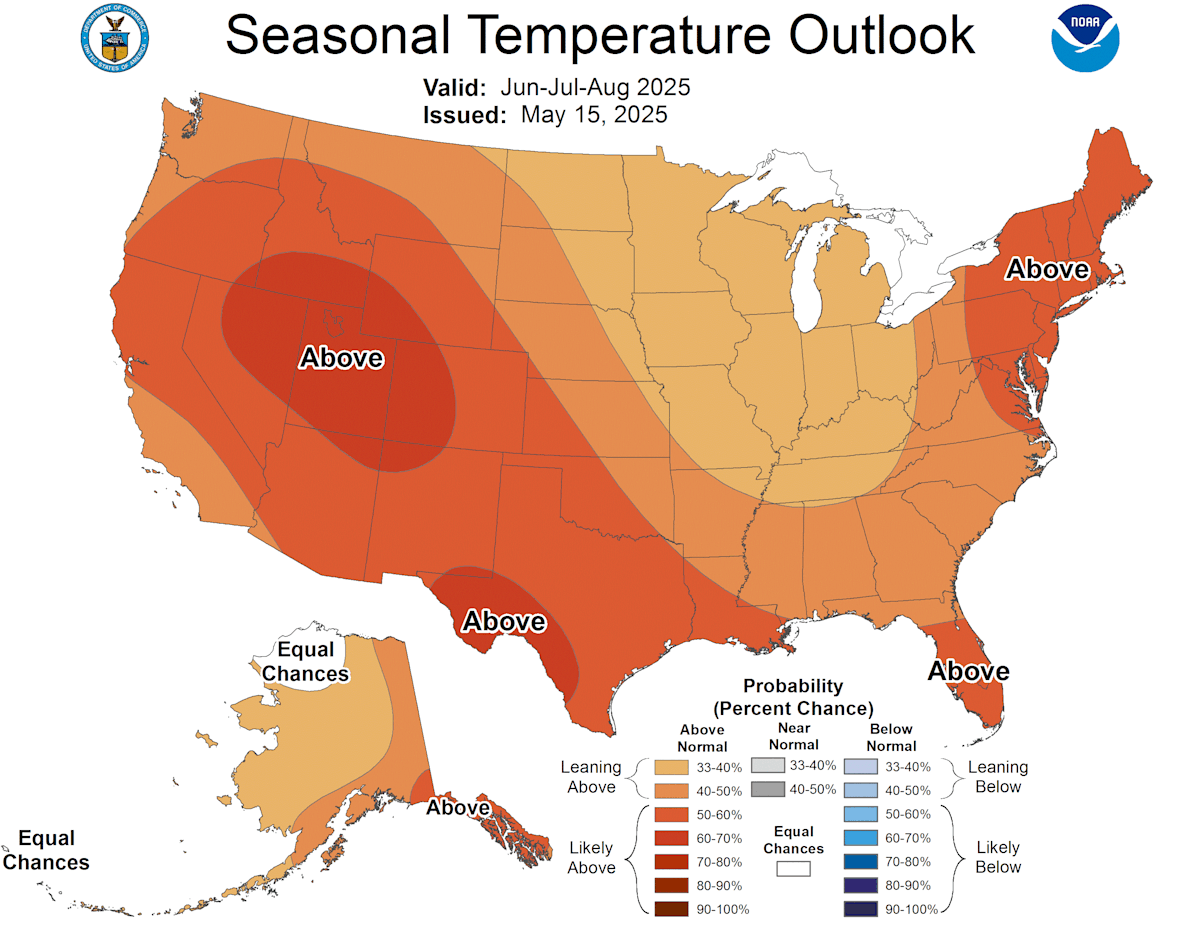
The summer temperature forecast from the Climate Prediction Center shows above-normal temperatures are likely across the entire nation.
Humidity isn’t just uncomfortable. What’s the heat index?
When the humidity is high, sweating isn’t as effective at cooling the body. That makes it feel hotter than it is — and increases the danger.
The heat index is a measure of how hot it really feels when relative humidity is factored in with the actual air temperature.
When the heat index reaches 105 degrees or higher, conditions can quickly become dangerous for both people and pets.
So much water. How much water should you drink when it’s hot?
A lot.
In Arizona, officials recommend drinking about 65 ounces of water a day, even if you’re mostly indoors.
It’s even more urgent for people working outdoors in extreme heat. The Occupational Safety and Health Administration says outdoor workers should drink at least 8 ounces of water every 20 minutes, even if they’re not thirsty.
If you’re drinking 16-ounce bottles of water, that would be 3 bottles every 2 hours.
Just drink water? There’s more to know.
Your body may need to replenish electrolytes – but be careful about sugary or caffeinated drinks if you’re trying to stay hydrated.
Kelly Olino, assistant professor of surgical oncology at the Yale School of Medicine, previously told USA TODAY that people can dilute a bottle of Gatorade with water to replenish both water and replace salt losses from extended sweating. “In the extreme heat, with sweating, we’re losing pure water, but we’re also losing salt,” she said.
From hot to heatstroke: Know how to spot the symptoms of a life-threatening condition
Excessive heat and humidity make it difficult for your body to regulate its temperature. Here are some of the signs and symptoms of heat illness, according to the CDC.
The National Athletic Trainers’ Association says heat stroke can quickly turn deadly. The association says to watch out for:
Altered consciousness (“seizures, confusion, emotional instability, irrational behavior or decreased mental acuity”)
Nausea, vomiting, or diarrhea
Headache, dizziness or weakness
Decreased blood pressure or fast breathing
A person with a temperature around 104 degrees is in a life-threatening situation — they need immediate medical treatment. One incredibly effective treatment: An ice-filled tub.
Contributing: Cybele Mayes-Osterman, USA TODAY; Raphael Romero Ruiz, Arizona Republic; Cheryl McCloud, Pensacola News Journal
This article originally appeared on USA TODAY: Summer 2025 heat safety tips: How much water to drink and more
