


By Will Dunham
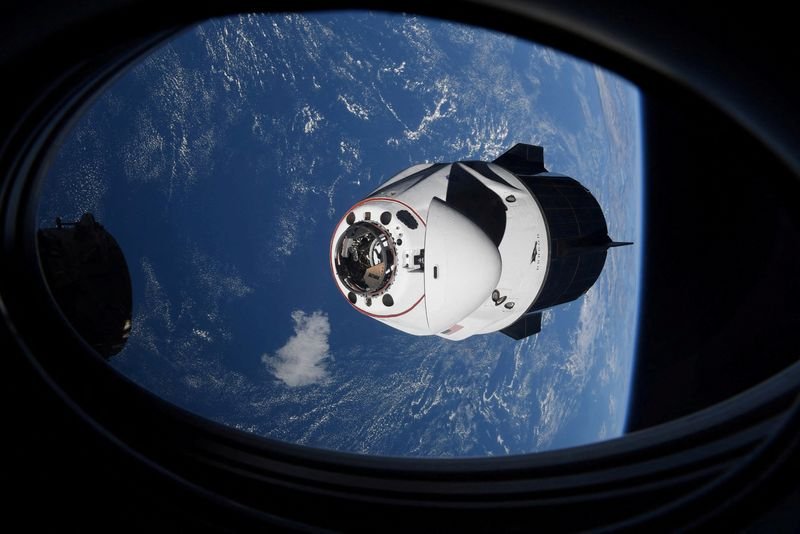
WASHINGTON (Reuters) -New research has identified yet another way that spaceflight tampers with the human body. A study involving samples flown on four SpaceX resupply missions to the International Space Station has revealed that space travel accelerates the aging of blood-forming stem cells crucial for blood and immune system health.
The scientists in the NASA-funded study conducted real-time monitoring of stem cells from the bone marrow of individual donors to track the changes that unfolded during missions lasting 30 to 45 days in December 2021, July 2022, November 2022 and March 2023. They compared these samples to samples kept on Earth that had been provided by the same donors.
The cells sent into space were found to have lost some of their ability to form healthy new cells, became more susceptible to DNA damage, and exhibited evidence of quicker aging at the ends of their chromosomes, which are threadlike structures that carry genetic information from cell to cell.
The researchers attributed the changes to the microgravity conditions and increased radiation exposure experienced during spaceflight.
Stem cells are cells within the body that can develop into various types of cells. Those tracked in the new study were the tissue-specific kind residing in many organs and tissues that can give rise to cell types in those organs or tissues but not to every cell type in the adult body.
The studied cells, called human hematopoietic stem and progenitor cells, make all of the blood cells in the bone marrow – the soft and fatty tissue residing inside bones – including red blood cells that carry oxygen, immune system white blood cells that fight infections and platelets that clot the blood.
Dysfunction in these cells can reduce the body’s ability to repair damaged tissue, decrease surveillance by the immune system against cancer, lower the ability to fight infections and decrease a person’s lifespan.
The cells during spaceflight became overactive, depleting their reserves and exhausting their ability to rest and recover, a characteristic that lets stem cells regenerate over time, according to the researchers.
They also displayed signs of inflammation and stress inside the mitochondria – structures within a cell that generate the energy it needs to function – and began activating hidden sections of the genome, called the dark genome, that are normally kept quiet to maintain stability.
The researchers detected differences in the response of the stem cells to space travel depending upon the donor.
“Stem cell regenerative capacity was diminished but with some variability between bone marrow donors, suggesting that anti-aging resilience factors are activated in stem cells from some individuals but not others,” said Dr. Catriona Jamieson, a professor of medicine at the University of California San Diego School of Medicine and director of the Sanford Stem Cell Institute at the university, senior author of the study published this month in the journal Cell Stem Cell.
This indicates that some people may be more likely than others to experience reduced regenerative capacity of these cells – a finding that has been corroborated in a subsequent study now awaiting publication, Jamieson added.
The findings add to the understanding of the effects on the human body from spaceflight. The human body evolved over millions of years to function optimally in Earth’s environment, which includes its gravity, atmospheric composition and relatively low levels of radiation. Space travel exposes people to quite a different environment, posing a range of challenges, especially with prolonged exposure.
Unlike on Earth, where the atmosphere and planetary magnetic field provide a shield from space radiation, astronauts are exposed to high-energy radiation permeating the cosmos. This can lead to DNA damage, increased cancer risk, neurodegenerative effects, cardiovascular issues and immune system dysregulation. In addition, microgravity conditions in space can lead to bone density loss, muscle atrophy and other effects.
Jamieson said understanding the changes experienced by the blood-forming stem cells could help guide ways to protect astronauts from these effects during long-duration missions and also help model human aging and diseases like cancer on Earth.
“We have discovered key components of human stem cell resilience that may be enhanced prior to, during and after spaceflight,” Jamieson said, adding that the researchers are studying these during the SpaceX resupply mission to the space station that launched last month.
(Reporting by Will Dunham, Editing by Rosalba O’Brien)
