


JOHANNESBURG (AP) — On a warm evening in Johannesburg, the news spread like wildfire among sex workers: Within 24 hours, several nonprofit clinics providing free HIV services would be closing as President Donald Trump announced the United States was slashing foreign aid.
Some South Africans living with, or at risk of, HIV secured supplies of life-saving drugs just in time. Others did not.
Half a year later, the country with more people living with HIV than any other is struggling to treat its most vulnerable. Over 63,000 people were being treated in the 12 clinics across the nation that shut down. Up to 220,000 people have faced disruption to their daily HIV medication.
South Africa’s government has vowed it won’t let the U.S. withdrawal of about $427 million in support collapse its HIV program, the largest in the world.
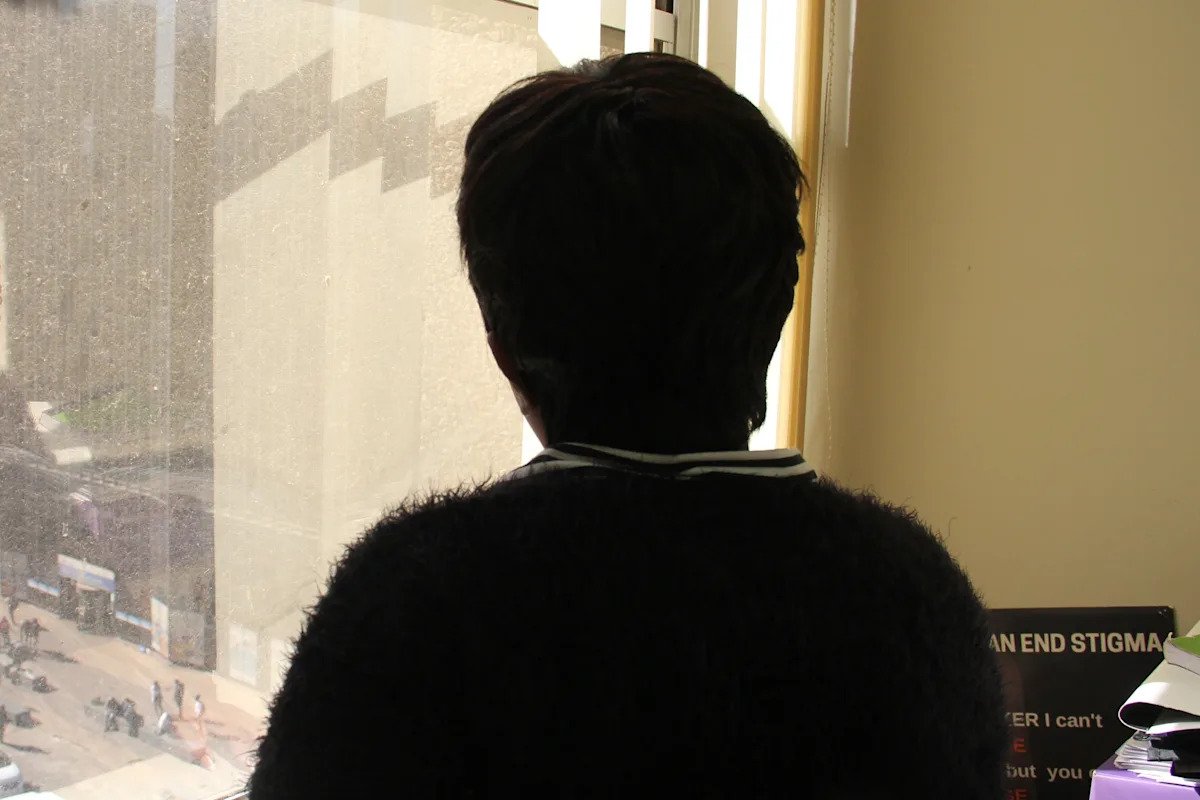
Sex workers, among the most vulnerable South Africans as their work is illegal, and transgender people spoke to The Associated Press on condition of anonymity for fear of retaliation from families or communities. They described a new world of difficulty in obtaining HIV medication or the preventive medicine for people at risk of HIV.
One HIV-positive sex worker and mother of three said she was off medication for almost four months after being turned away from public hospitals, which the government’s health department says should not be happening.
“The only thing that I could think of was my kids, and that I am going to die, and how am I going to explain to my kids that I am sick because of the line of work that I chose?” she said. The 37-year-old said she finally obtained a month’s supply of medication in June from a mobile clinic that was introduced after the funding cuts. She didn’t know what she would do after that.
Another HIV-positive sex worker said she had resorted to illegally buying medication on the black market, where the pills have nearly doubled in price.
The U.S. has since issued a limited waiver allowing the resumption of certain life-saving HIV services globally, but the dismantling of much of U.S. foreign aid has created chaos. And for many people affected, harm is already done.
Overall, experts warn of hundreds of thousands of new infections in the next few years in South Africa, and tens of thousands of additional deaths, if the cuts in aid aren’t restored or covered by other means.
Turned away from hospitals
A major challenge for those who lost access to the U.S.-funded nonprofit clinics is finding help elsewhere, including public hospitals.
“I have tried local clinics, three of them, and I have been refused treatment because I don’t have a referral letter from my previous clinic,” the 37-year-old sex worker said.
Kate Rees, a public health specialist at Anova Health Institute in Johannesburg, said while it’s ideal to have a transfer letter, it’s not needed and people can’t be turned away.
“But people at the clinic, whether it’s nurses, security guards, doctors, whoever actually, do turn them away,” Rees said.
In response to AP questions, Foster Mohale, a spokesperson for South Africa’s health department, said they were not aware of anyone who had been turned away and encouraged people to go to the nearest public health facility.
Another challenge at public hospitals and clinics is discrimination, especially for sex workers and transgender people.
“In hospital, they said they only give PrEP to people who are in a relationship with someone who’s HIV-positive and trying to have a baby,” one transgender woman said. She decided to buy medication privately, moving in with her mother to save money to afford it.
“I am not going back to the clinic, with people who are going to make fun of me, like I’m a clown,” she said.
The health department didn’t respond to questions on that issue.
Not everyone can afford to buy medication privately or on the black market, where a bottle reportedly goes for about $25 — and whose contents might be unverified.
The withdrawal from regular health care by sex workers and others means that many are no longer being tested and don’t know what level of the virus they have in body fluids — and whether they can pass it on to others.
Anger with their countryman Musk
Even before the U.S. cuts, about 2 million of South Africa’s estimated 8 million people living with HIV were never on medication. Some didn’t have the time or money to spend on traveling to clinics. Some were in denial or didn’t believe in the drugs. Some had not yet been diagnosed.
Now that number is rising.
Yvette Raphael, co-founder of the local Advocacy for Prevention of HIV and AIDS group, said she and fellow activists are worried that South Africa could go backwards.
“We are scared that we are going to see people dying again,” she said.
The concerns echo across Africa, the continent hardest hit by the U.S. aid cuts. The Trump administration has defended the cuts, saying the spending was not aligned with U.S. interests.
“And we’re $37 trillion in debt. So at some point, the continent of Africa needs to absorb more of the burden of providing this health care,” Russell Vought, director of the U.S. Office of Management and Budget, told a hearing in June.
Among South Africans, some wonder whether Trump’s stance may have been influenced by their countryman Elon Musk, who oversaw the early efforts to cut U.S. aid.
“I’ve got no civil words to express how I feel, but I just hate them for what they did,” one transgender woman said. “Our lives matter.”
___
For more on Africa and development: https://apnews.com/hub/africa-pulse
The Associated Press receives financial support for global health and development coverage in Africa from the Gates Foundation. The AP is solely responsible for all content. Find AP’s standards for working with philanthropies, a list of supporters and funded coverage areas at AP.org.
