


The retail landscape is shifting quickly. After years of leaning heavily into e-commerce during and following the pandemic, major retailers are trying to pull shoppers back into stores, and they’re deploying a wave of new tech to make it happen.
Foot traffic has been rising as consumers seek immediacy and hands-on experiences, but their expectations have changed. Shoppers want the convenience they’re accustomed to online, without sacrificing the ability to see products in person. That’s pushing retailers to layer AI and automation directly onto the store floor.
Brick-and-mortar stores are rolling out tools like computer-vision inventory tracking, smarter shelves, autonomous checkout, and personalized offers triggered by in-store signals. The goal is simple: fewer out-of-stock surprises, trips focused on experiencing and buying rather than wasting time, and better experiences that feel more personal than transactional.
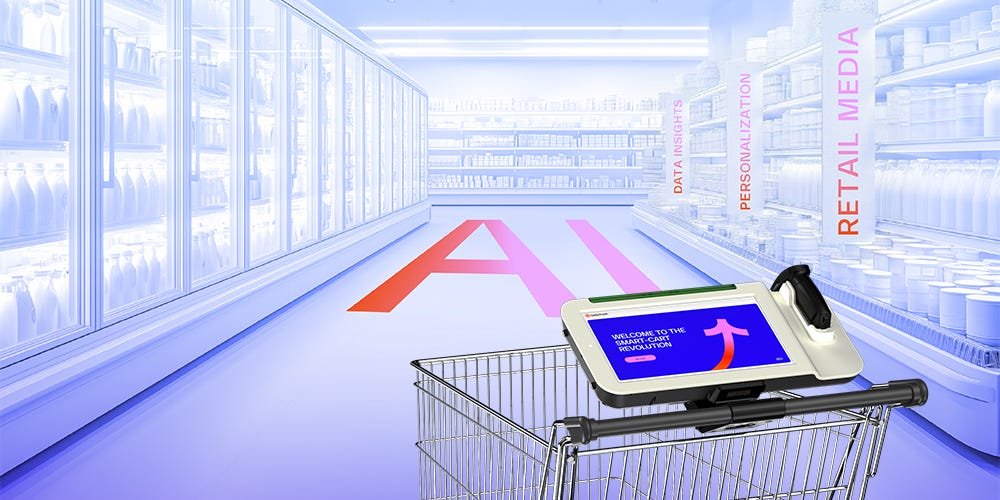
In a recent Q&A with Gadi Graus, CEO of smart cart platform innovator A2Z Cust2Mate, he shares how newer waves of in-store technology, particularly sensor fusion, IoT, and AI integrations, shape how shoppers navigate stores — and how retailers engage with them.
Where do you see AI delivering the most meaningful, long-term value across the retail ecosystem?
The real value lies in AI connecting operational efficiency with more personalized customer engagement.
On the operational side, it automates tasks like inventory tracking, monitors planogram compliance, predicts losses, and helps optimize staff workflows, allowing stores to run more efficiently without adding friction for shoppers. At the same time, AI enhances the shopper experience by responding to customers in real time, guiding them through the store, and offering recommendations or support based on their preferences and behaviors as they browse.
Together, these capabilities streamline store management, making each trip feel more tailored and creating meaningful value for both retailers and consumers in the long term.
How is AI-driven personalization changing the way shoppers interact with physical stores, and how does Cust2Mate help enable that shift?
By allowing retailers to respond to shoppers in real time, rather than relying solely on what they buy at checkout, AI-driven personalization is transforming the in-store experience.
Shoppers can now receive personalized recommendations, view promotions and relevant ads, and get guidance based on their preferences, location within the store, and behavior as they walk the aisles and browse products. Cust2Mate enables this shift by turning the shopping cart into an AI-powered companion that delivers personalized offers, suggests products or meal bundles, guides shoppers to items, and even helps manage virtual queues at deli or prepared-food counters.
By connecting shopper behavior directly to store operations, Cust2Mate makes the in-store journey more engaging and tailored to each individual, while helping retailers optimize labor and operational efficiency.
What role do you see retail media playing in redefining in-store advertising and the broader marketing mix?
Historically, in-store promotions were static, consisting of signage, endcaps, and displays that offered limited ability to target or measure their impact. With smart carts, this is changing: the cart becomes a dynamic platform that delivers personalized promotions, product recommendations, and real-time offers directly to shoppers based on their preferences, location, and real-time and past behavior. This not only influences purchasing decisions in the moment but also connects marketing spend to measurable results, helping brands and retailers understand the drivers of engagement and conversion.
By integrating these capabilities into the store experience, retail media expands the marketing mix beyond online and traditional advertising, creating a more seamless, interactive, and performance-driven connection between brands and consumers.
In what ways do these innovations open up entirely new revenue streams and business models for brick-and-mortar retailers?
Smart carts are uniquely positioned to transform in-store interactions into monetizable, data-driven opportunities. This functionality enables retailers to capture insights on shopper behavior in real time, enabling personalized recommendations and engagement that can drive incremental sales, and also opens the door to selling in-store smart cart media inventories to advertisers. At the same time, the platform enables more efficient store operations, including dynamic queue management and staff allocation, resulting in operational savings.
By combining these capabilities, retailers can explore subscription-based models, service offerings, or partnerships with brands that leverage the cart as a platform, shifting the store from a purely transactional space to a connected, revenue-generating ecosystem.
How can emerging in-store technologies better connect digital insights with real-world shopper behavior?
These technologies are connecting digital insights with real-world shopper behavior by capturing actions in real time as customers move through the store. They track what shoppers pick up, consider, or put back, providing actionable data that goes beyond traditional purchase history. This allows retailers and other third parties to deliver personalized guidance, relevant recommendations, services, and dynamic assistance, while also optimizing staff workflows and inventory.
By linking these digital insights to physical behavior, retailers and others can respond instantly to shoppers’ needs, improve operational efficiency, and create a more seamless and engaging shopping experience.
Discover how A2Z Cust2Mate empowers retailers and brands to personalize the in-store experience, strengthen shopper engagement, and streamline operations.
This post was created by A2Z Cust2Mate with Insider Studios.
