


Sure, ChatGPT could help a board member write up a memo ahead of a meeting. But OpenAI’s chairman says there’s value to going old-school.
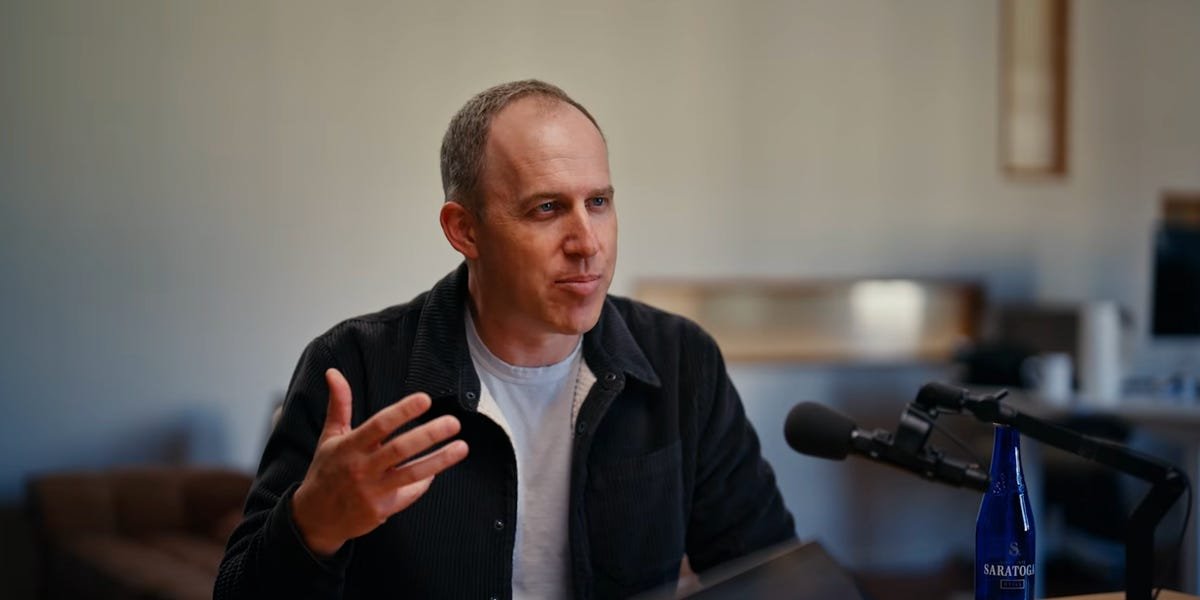
Bret Taylor, OpenAI’s board chair, said in a recent appearance on the “Uncapped with Jack Altman” podcast that he prefers concise but detailed written documents from board members over slide presentations. And he doesn’t want them relying on AI.
“I really like written documents for boards over presentations,” Taylor said. “You end up letting people synthesize information ahead of the board meeting, so you end up with more substantive discussions in the board room.”
Taylor, the former co-CEO of Salesforce and cofounder of AI startup Sierra, said that writing without AI is a worthwhile thinking exercise and helps board members clarify their thoughts.
His expectation for the boards he runs is that members have read the written material ahead of time, which helps keep things focused and substantive during the actual meeting.
“The main thing is it’s been read — and it’s been read ahead of time,” he said. “You end up with a meeting about the actual meat and potatoes of the topics, and you’re not staring at a bunch of sales numbers for the first time.”
Amazon cofounder Jeff Bezos is famously a big fan of meetings focused on a single memo prepared ahead time, but while Bezos preferred dense, 6-page memos, Taylor specifically favors concise material, arguing that brevity is a sign of careful thought — and respect to stakeholders.
“It’s like what’s that famous line — if I had more time, I would have written a shorter letter,” he added. “Like, spend the time because that’s actually how you can show respect to your stakeholders that you’re thinking about the strategic issues going on in your business.”
And while Taylor might not be a fan of leaning on AI for board meeting prep, that doesn’t mean he is dismissing the technology’s potential to be valuable in high-stakes situations.
“If you want a hot take, I think my intuition is regulators will start asking for agents,” he said. “The idea that you have a human set of controls over a regulated process will start to feel like a risk, rather than the risk being AI.”
