


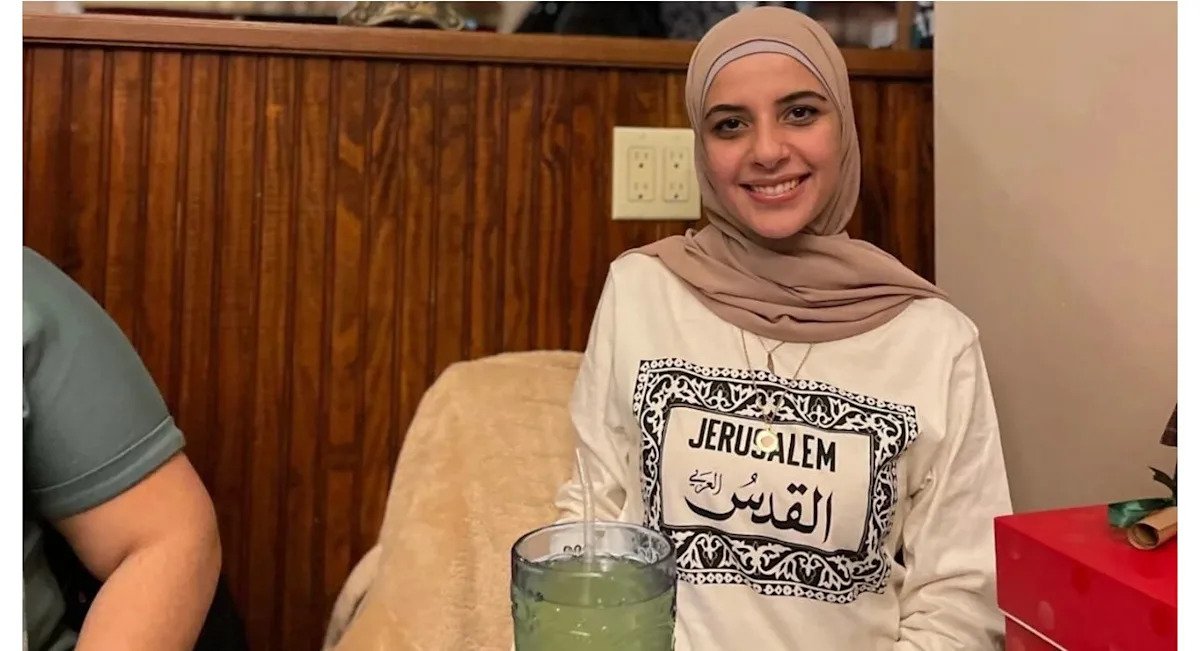
After suffering a seizure inside a Texas immigration detention center, Leqaa Kordia said, she was kept in chains that weighed down her hands and legs in a hospital room, while barred from contacting her family or attorneys.
The Paterson, New Jersey, resident described the “terrifying” ordeal in a statement shared days after she was released from a hospital and sent back to the Prairieland Detention Facility.
Kordia, 33, has been held there for nearly a year, even though an immigration judge twice ordered her released, in what her attorneys say is retaliation for pro-Palestinian advocacy.
“On February 6th, I woke up in the Prairieland Detention Facility’s medical unit terrified and confused after having experienced the first seizure of my life,” Kordia said. “Not until enduring nearly a year of cruel confinement in inhumane conditions had I ever suffered one before. All I felt was fear, not knowing what was happening to me.”
She fell down twice, witnesses told her, before she started to seize. As an ambulance drove her to the hospital, she was “dizzy, nauseous, and in pain.”
Her family said they learned from another detainee about what happened but could not get any information about her condition or where she was taken until the day she was released. A lawyer rushed to the location but was not allowed to see her.

Leqaa Kordia of Paterson was detained in March 2025 for an alleged visa violation. Attorneys say she is facing targeted retaliation for participation in pro-Palestinian protests.
Alone and in chains in hospital after first-ever seizure
Isolated, Kordia spent three days in the emergency room in chains ‒ an experience she said was “dehumanizing from start to finish.”
“My hands and legs were weighed down by heavy chains as they drew my blood and gave me medications,” Kordia said. “It was terrifying. I felt like an animal. My hands are still full of marks from the heavy metal. They even refused to remove the chains when I went to the bathroom or took a shower.”
Kordia’s attorneys and family had raised concerns about her well-being long before the seizure, saying she and other detainees did not get adequate food or medical care. Her cousin Hamzah Abushaban said she appeared frail and ill during a recent visit.
At the hospital, Kordia said, a doctor advised her to reduce stress and eat food to avoid a future seizure. She questioned how she could while in detention.
“At Prairieland, your daily life ‒ whether you can have access to the food or medicine you need or even a good night’s sleep ‒ is controlled by the private, for-profit business that runs this facility,” she said. “I’ve been here for 11 months, and the food is so bad it makes me sick. We live in filthy conditions. The best medicine for me and everyone else here is our freedom.”

Advocates, lawmakers and family demand the release of Leqaa Kordia of Paterson from ICE custody in Texas, where she has been held since March 2025. They spoke at a press conference with lawmakers and advocates in Washington D.C. on Feb. 3, 2026.
Scott Sutterfield, a spokesperson for LaSalle Corrections, which operates the Prairieland Detention Facility, defended the care provided to detainees, saying it “exceeds established standards for health and safety.” He said it includes “meals that meet the dietary needs of the individuals in our care, including options for those with specific dietary restrictions.”
A pro-Palestinian protest and arrest
Kordia and her attorneys say she was targeted for deportation after her arrest at a pro-Palestinian protest outside Columbia University in April 2024. More than 100 people were arrested, and charges against her were dropped the next day.
In March, she attended a voluntary meeting with Immigration and Customs Enforcement and was detained for allegedly overstaying her student visa. Kordia came to the United States from the West Bank on a valid visa in 2016 and said she mistakenly relinquished her student visa as she pursued permanent residency through her mother, a U.S. citizen.
The Department of Homeland Security said in an email that she violated terms of her student visa. But the agency also pointed to her arrest at the protest and money she sent to relatives “living in nations hostile to the U.S.” The money was sent to help with rent, utilities and medical bills, court filings say.
Rights groups, lawmakers and supporters across the country have increased their calls to free Kordia. Paterson planned a rally at City Hall on Feb. 13 calling for her release.
In her statement, Kordia she would continue to speak up for the freedom and dignity of others, “whether it is my family in Palestine, or the other women unjustly confined by ICE alongside me.”
“I want everyone to know what happened to me because the same things are happening to other women who are locked up here,” she said. “There are women who have terminal cancer, disabled women, pregnant women. They are all suffering, and none of us deserves to be here. No one deserves this.”
Hannan Adely reports from Northern New Jersey.
This article originally appeared on NorthJersey.com: ‘I felt like an animal’: Leqaa Kordia details ICE hospitalization
