


Nearly one in five patients with urinary infections in a research group likely contracted them from contaminated meat –an issue that could be occurring across the country, according to a new study.
The study, published on Oct. 23 in the mBio journal, looked at a group of people in Southern California over four years. Out of the more than 2,300 urinary tract infections (UTI) sampled in the study, 18% – or more than 4,200 – were linked to the same strain of E. coli found in contaminated meat in local grocery stores.
While E. coli accounts for up to 90% of all UTIs, according to the Cleveland Clinic, contaminated food being the source of these infections has not been widely studied.
“Urinary tract infections have long been considered a personal health issue, but our findings suggest that they are also a food safety problem,” said Lance B. Price, senior author of the study and professor of environmental and occupational health at the George Washington University, in a press release. “This opens up new avenues for prevention, especially for vulnerable communities that bear a disproportionate burden.”
E. coli is a type of bacteria that is naturally found in the intestines of people and animals and usually doesn’t cause illness. Some strains, however, can cause infections, resulting in symptoms from mild food poisoning up to kidney failure.
Food can become contaminated with E. coli through feces contact, which sometimes happens during processing, or from contact with contaminated soil, water or work surfaces.
UTIs are most common in women and older people and are the result of bacteria entering the urethra and infecting the bladder, urethra or kidneys, according to the CDC. The new study found that another demographic of people, those living in low-income neighborhoods, are also at an increased risk.

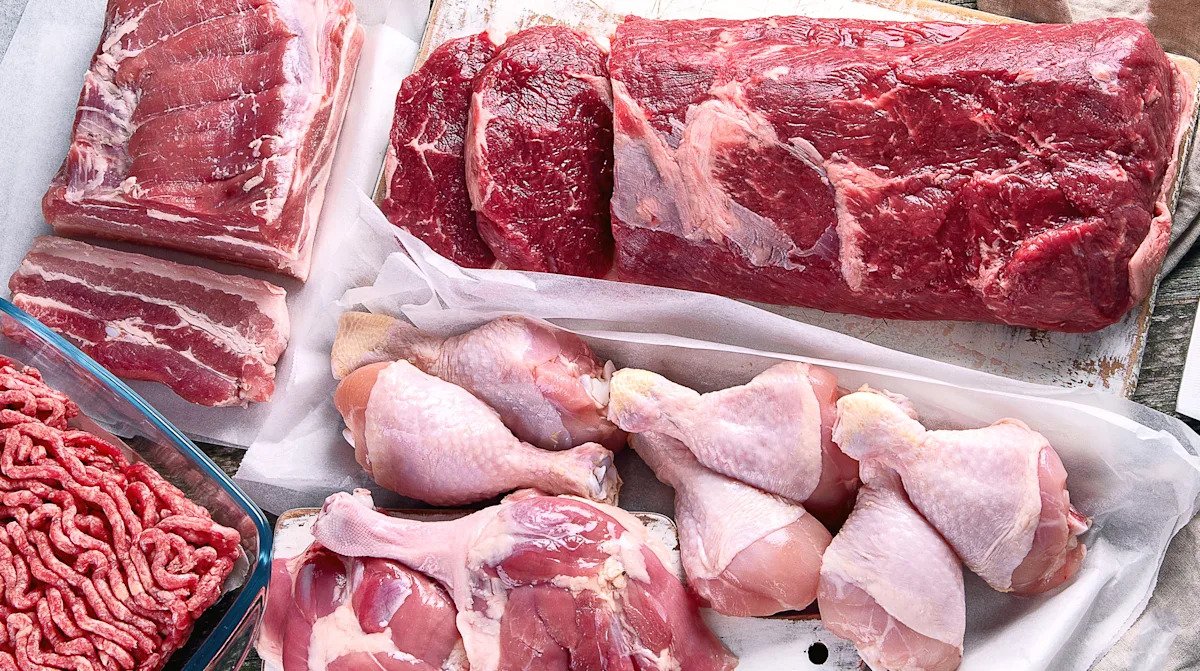
E. coli found in raw meat, especially turkey and chicken, was linked back to urinary tract infections in a group of over 2,000 patients, a new study found.
In fact, people living in low-income areas were found to be 60% more likely to contract a UTI through food contamination than those living in wealthier areas. Raw meat and poultry, especially chicken and turkey, tended to carry the highest-risk strains and meat purchased in higher-poverty areas had higher rates of E. coli contamination.
While the study didn’t establish a detailed explanation for the strong correlation between poverty and foodborne UTIs, the authors theorized that inadequate food safety practices, poor retail conditions (such as improper temperature control and more time sitting on shelves) and improper food handling could contribute. This could especially be the case in environments with limited access to clean water, sanitation and hygiene tools.
“This is why we should be investing more, not less, in research about the social determinants of health,” said Price. “Your risk of infection should not depend on your ZIP code.”
Systemic improvements to our food safety systems, including better surveillance, enforcement of safety rules, stricter regulations and targeted interventions, could help to mitigate the billions of dollars in medical care and lost productivity that UTIs cause every year, said the study authors.
“Until such measures are widely adopted, individuals at heightened risk of bacterial infections—including immunocompromised individuals, older adults, and those with chronic conditions—should exercise caution when handling raw meat (including frozen),” they said. This includes preventive measures such as frequent hand washing, avoiding cross-contamination and ensuring meat is cooked to a proper temperature.
This article originally appeared on USA TODAY: Nearly 1 in 5 UTIs linked to E. coli in raw meat, finds new study
