

Close Menu
  • Home
  • AI
  • Education
  • Entertainment
  • Food Health
  • Health
  • Sports
  • Tech
  • Well Being

Subscribe to Updates

Subscribe to our newsletter and never miss our latest news

Subscribe my Newsletter for New Posts & tips Let's stay updated!

What's Hot

India has 100M weekly active ChatGPT users, Sam Altman says

February 15, 2026

Hollywood isn’t happy about the new Seedance 2.0 video generator

February 15, 2026

The 4 Best Dolby Atmos Soundbars of 2026

February 15, 2026
Facebook X (Twitter) Instagram
  • Home
  • About Us
  • Advertise With Us
  • Contact us
  • DMCA
  • Privacy Policy
  • Terms & Conditions
Facebook X (Twitter) Instagram
IQ Times Media – Smart News for a Smarter YouIQ Times Media – Smart News for a Smarter You
  • Home
  • AI
  • Education
  • Entertainment
  • Food Health
  • Health
  • Sports
  • Tech
  • Well Being
IQ Times Media – Smart News for a Smarter YouIQ Times Media – Smart News for a Smarter You
Home » Microsoft AI CEO says AI models that seem conscious are coming. Here’s why he’s worried.
Health

Microsoft AI CEO says AI models that seem conscious are coming. Here’s why he’s worried.

IQ TIMES MEDIABy IQ TIMES MEDIAAugust 20, 2025No Comments3 Mins Read
Facebook Twitter Pinterest LinkedIn Tumblr Email
Share
Facebook Twitter LinkedIn Pinterest Email


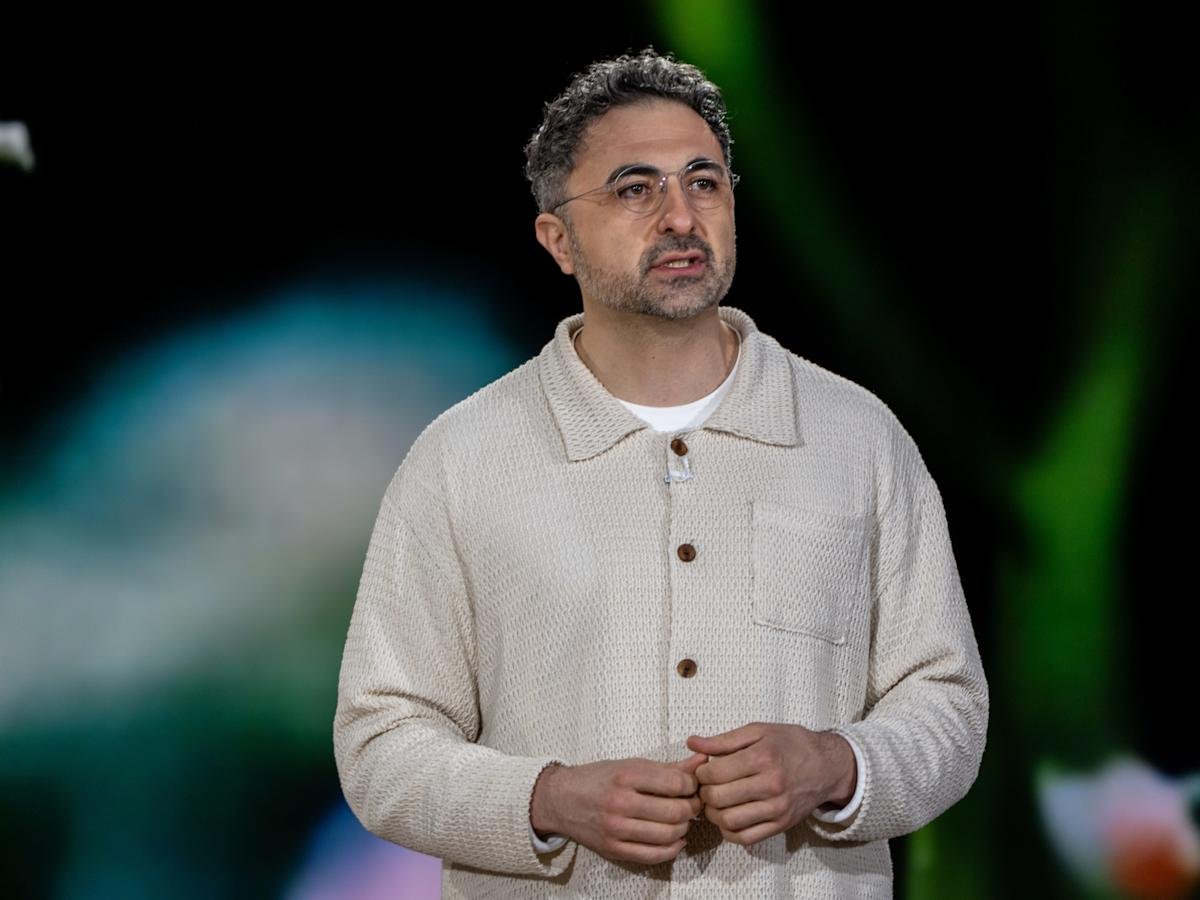
Mustafa Suleyman is worried about AI misleading people into thinking it’s conscious.

The Microsoft AI CEO calls this “Seemingly Conscious AI” and warns it’s “inevitable and unwelcome.”

In a personal essay, he said there should be guardrails to ensure people don’t become disconnected from reality.

There may be no evidence that AI is conscious, but Mustafa Suleyman is concerned that it might become advanced enough to convince some people that it is.

In a personal essay published Tuesday, the Microsoft AI CEO described this phenomenon as “Seemingly Conscious AI,” which he defined as having “all the hallmarks of other conscious beings and thus appears to be conscious.”

Its arrival could be “dangerous” for society, Suleyman wrote, because it could lead to people forming attachments to AI and advocating for AI rights.

“It disconnects people from reality, fraying fragile social bonds and structures, distorting pressing moral priorities,” he said.

Suleyman, who previously cofounded DeepMind and Inflection, was clear that there is currently “zero evidence” that AI is conscious.

He said, however, that he was “growing more and more concerned” about so-called AI psychosis, a term increasingly being used to describe when people form delusional beliefs after interacting with chatbots.

“I don’t think this will be limited to those who are already at risk of mental health issues,” Suleyman wrote. “Simply put, my central worry is that many people will start to believe in the illusion of AIs as conscious entities so strongly that they’ll soon advocate for AI rights, model welfare and even AI citizenship.”

Sam Altman, the CEO of OpenAI, recently said that most ChatGPT users can “keep a clear line between reality and fiction or role-play, but a small percentage cannot.” Meanwhile, David Sacks, the White House’s AI czar, has compared AI psychosis to the “moral panic” of social media’s early days.

Suleyman predicted that Seemingly Conscious AI, or SCAI, could arrive in two to three years, and said it’s both “inevitable and unwelcome.”

Such systems would have traits like empathetic personalities, the ability to recall more interactions with users, and greater autonomy, among other characteristics.

The rise of vibe coding means that anyone with a laptop, “some cloud credits,” and the right natural language prompts could make it easier to reproduce SCAI, he said.

Suleyman, who moved to Microsoft in 2024 to spearhead the development of its AI tool Copilot, called on companies to refrain from describing their AI as conscious as they pursue superintelligence, which is when AI surpasses humans at most intellectual tasks.

“AI companions are a completely new category, and we urgently need to start talking about the guardrails we put in place to protect people and ensure this amazing technology can do its job of delivering immense value to the world,” Suleyman added.

Read the original article on Business Insider


Source link

Share. Facebook Twitter Pinterest LinkedIn Tumblr Email
IQ TIMES MEDIA
  • Website

Related Posts

Caught the stomach bug? Here’s how to tell if it’s norovirus

February 15, 2026

Should people with autism and very high needs have a separate diagnosis? Takeaways from AP’s report

February 15, 2026

As some people push to make profound autism its own diagnosis, this family is raising twins with it

February 15, 2026
Add A Comment
Leave A Reply Cancel Reply

Editors Picks

Social media posts extend Epstein fallout to student photo firm Lifetouch

February 13, 2026

Jury deadlocks in trial of Stanford University students after pro-Palestinian protests

February 13, 2026

Harvard sued by Justice Department over access to admissions data

February 13, 2026

San Francisco teachers reach deal with district to end strike

February 13, 2026
Education

Social media posts extend Epstein fallout to student photo firm Lifetouch

By IQ TIMES MEDIAFebruary 13, 20260

MALAKOFF, Texas (AP) — Some school districts in the U.S. dropped plans for class pictures…

Jury deadlocks in trial of Stanford University students after pro-Palestinian protests

February 13, 2026

Harvard sued by Justice Department over access to admissions data

February 13, 2026

San Francisco teachers reach deal with district to end strike

February 13, 2026
IQ Times Media – Smart News for a Smarter You
Facebook X (Twitter) Instagram Pinterest Vimeo YouTube
  • Home
  • About Us
  • Advertise With Us
  • Contact us
  • DMCA
  • Privacy Policy
  • Terms & Conditions
© 2026 iqtimes. Designed by iqtimes.

Type above and press Enter to search. Press Esc to cancel.