


By Michael Erman and Bhanvi Satija
(Reuters) -A new panel of U.S. vaccine advisers appointed by Health Secretary Robert F. Kennedy Jr. will vote on flu shots that contain a mercury-based preservative called thimerosal and discuss recommendations for use of a combination measles shot for children at an upcoming meeting.
The advisers to the Centers for Disease Control and Prevention will also vote on who should receive the shots for respiratory syncytial virus and influenza at the meeting scheduled for June 25 and 26, according to a draft agenda posted on CDC’s website.
The agenda comes days after Kennedy named eight members to serve on the Advisory Committee on Immunization Practices, including several who have advocated against vaccines, after abruptly firing all 17 members of the independent committee of experts.
“There isn’t any doubt that we’re in new territory, and things are being done very differently than they were before,” said William Schaffner, professor of infectious diseases at Vanderbilt University Medical Center and an alternate liaison to ACIP.
Schaffner said it would be a shorter meeting than planned, a more limited number of CDC personnel are scheduled to present at the meeting, and a number of presenters have not yet been listed.
The new panel will discuss proposed recommendations on the use of the combination measles, mumps, rubella, and varicella (MMRV) vaccine for children under 5 years of age.
Combination vaccines are currently marketed to prevent infection with measles, mumps and rubella viruses in the United States by Merck and GSK, and Merck also sells one called ProQuad that includes protection against those and varicella.
For children under age 4 years, the CDC currently recommends that most receive a first dose of an MMR vaccine and a separate varicella shot. For the second dose, the CDC says the MMRV vaccine is generally preferred over separate shots.
The meeting agenda did not specify who will be presenting data on MMRV or on the use of thimerosal in vaccines. The Department of Health and Human Services declined to comment on the record about the agenda.
Thimerosal has been used for decades in the United States in vials for medicines and vaccines that contain more than one dose, according to CDC.
Aside from minor reactions such as redness and swelling at the injection site, there is no evidence of harm caused by the low doses of thimerosal in vaccines, the agency’s website shows.
“Substantial research across decades has shown the safety of thimerosal as a preservative in vaccination,” said recently fired ACIP member Noel Brewer. “It’s disappointing to see scarce public health resources used to rehash settled science.”
Kennedy has for decades sown doubt about the safety and efficacy of vaccines and long promoted a debunked link between vaccines and autism, contrary to scientific evidence.
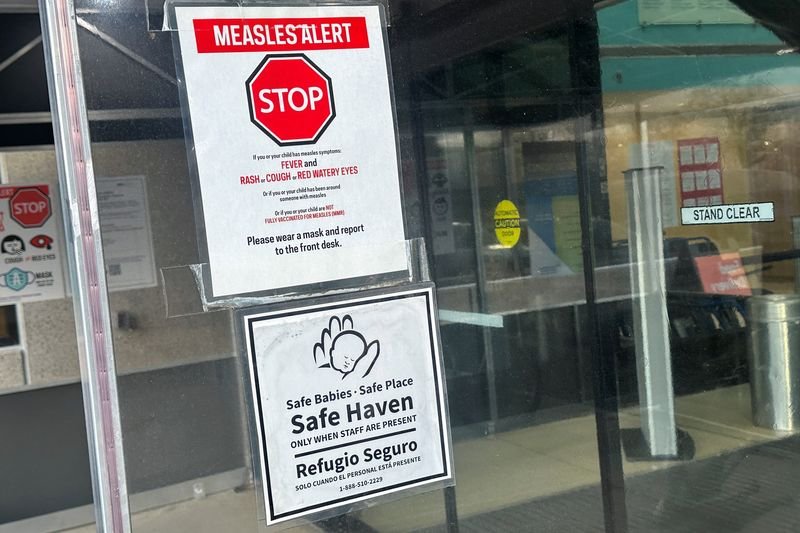
He has asked for a review of all data including for the measles shot, by far the best way to prevent infection with the highly contagious and sometimes deadly virus.
Kennedy clashed with lawmakers last month over his vaccine policy, including his claims that the measles vaccine was not properly tested for safety and that it included fetal debris, both of which are false.
(Reporting by Michael Erman in New York and Bhanvi Satija in Bengaluru; Additional reporting and writing by Ahmed Aboulenein in Washington; Editing by Shilpi Majumdar and Bill Berkrot)
