


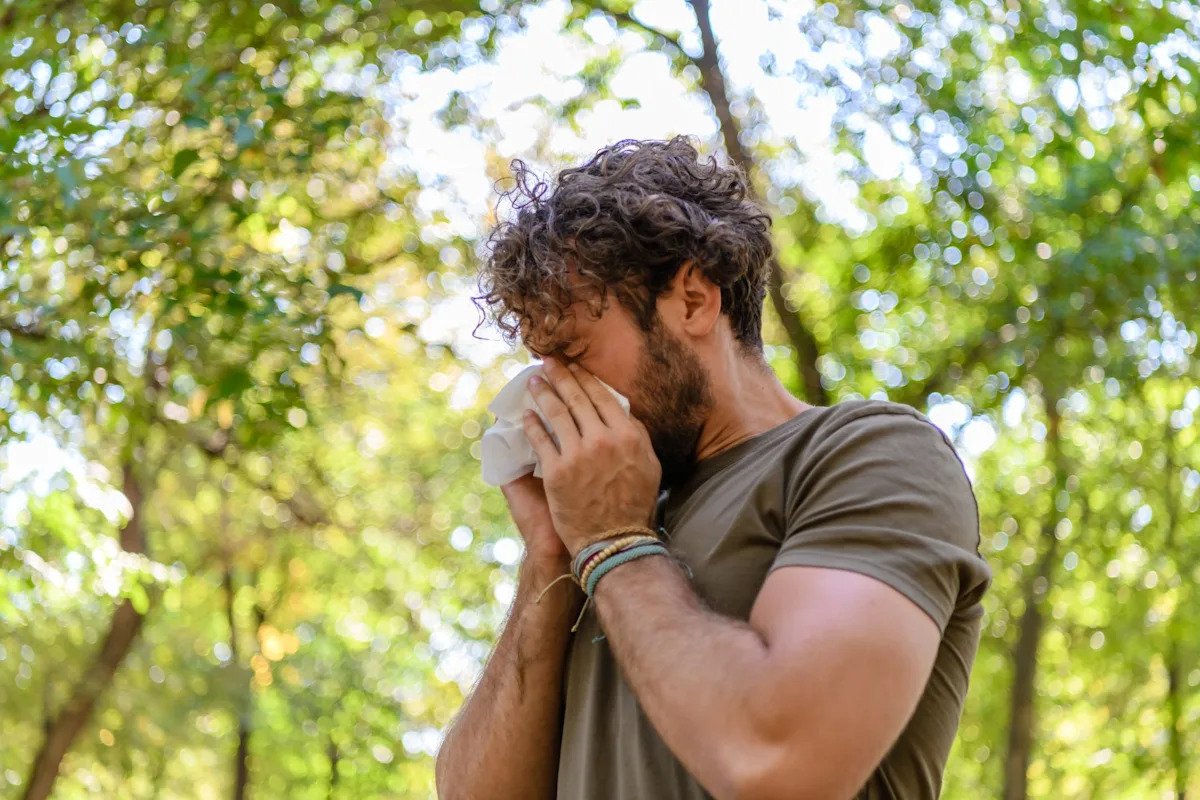
Friday marks the first day of spring in the United States, bringing new life and beautiful colors. In Georgia, spring also means a dusting of yellow over everyone and everything.
Those who suffer from seasonal allergies won’t be out smelling the roses anytime soon thanks to an incredibly high pollen count, or the amount of pollen density in the air.
It can cause runny noses and itchy eyes and make springtime generally unpleasant to allergy sufferers.
Here’s what pollen count really is and how to check the levels this spring.
What is pollen count?
The daily pollen count, often shared in weather forecasts or by allergy groups, calculate the number of grains of pollen per cubic meter of air over the course of 24 hours.
Higher counts mean there is more contact with pollen for those suffering from allergies, possibly going in their nose and mouth and causing irritation.
Some agencies will release both pollen counts and pollen forecasts. Just like weather, counts will be actual values taken from groups like The National Allergy Bureau of what the pollen count is on a given day. Pollen forecasts will use data from previous years paired with temperature and other factors to predict how much pollen is likely to be in the air on any given day.
Allergy season expected to last longer this year
According to temperature trends, the “freeze-free season,” or time between the annual last freeze and the next first freeze, got longer in 87% of cities included in a 198-city report from Climate Central.
Between 1970 and 2025, the season was 21 days longer on average.
The season has lengthened by 19 days on average in the southeast specifically, creating a 136 day window where there are no freezes and plants are able to grow and pollinate.
“As temperatures rise, freeze-free seasons are stretching in every region of the country, giving plants weeks of extra time to grow and release pollen. In fact, most U.S. cities have gained about three additional weeks of growing season since 1970,” vice president of science at Climate Central, Kristy Dahl, said in the report. “For millions of Americans, that means earlier, longer, and often more intense allergy seasons that can take a real toll on health and daily life.”
How to check pollen count in Atlanta
Multiple agencies report a pollen count, but for both daily counts and forecasts, you can check The Weather Channel website.
On Thursday, the pollen count was 234 grains per cubic meter of air. That translates to “very high” for tree pollen, “moderate” for grass pollen and “none” for ragweed pollen. Tree and grass pollens are highest in the spring, while ragweed is typically highest in the fall months.
A 15-day allergy forecast shows that today pollen overall is “high,” but it will jump to “very high” starting tomorrow and through the weekend. It is expected to dip back down on March 24, before going back up to “very high” in the middle of next week.
Irene Wright is the Atlanta Connect reporter with USA Today’s Deep South Connect team. Find her on X @IreneEWright or email her at ismith@usatodayco.com.
This article originally appeared on USA TODAY: What is the pollen count on the first day of spring in Georgia?
