


Menopause can usher in a host of disruptive symptoms like hot flashes, night sweats and sleep problems. Hormone therapy promises relief.
But many women wonder about taking it. That’s because the treatment, subject of a recent expert panel convened by the Food and Drug Administration, has long been shrouded in uncertainty.
It was once used routinely. But in 2002, research testing one type was stopped early because of concerns about increased risks of breast cancer and blood clots. Concerns lingered even though later studies showed the benefits of today’s hormone therapies outweigh the risks for many women.
“There is still a lot of confusion and a lot of fear,” said Grayson Leverenz, a 50-year-old from Durham, North Carolina, who hesitated to take it but is glad she did.
Others increasingly are also giving hormone therapy a second look. But experts continue to disagree about how to present the treatment’s pros and cons. The FDA-assembled panel stressed the benefits and suggested health warnings be removed from at least some versions — prompting dozens of experts to call for more input before making any changes.
Doctors say hormone therapy is a great option for many, but not all, menopausal women — and it’s important to understand the nuanced reality of these treatments before deciding what’s best.
How hormone therapy works
It treats symptoms that can arise when menstruation winds down and ends, causing levels of estrogen and progesterone to drop very low.
One type is low-dose vaginal estrogen therapy. Because it’s applied into the vagina, very little circulates in the blood and the risks are far lower. Doctors say it’s a good option for women whose biggest complaint is vaginal dryness.
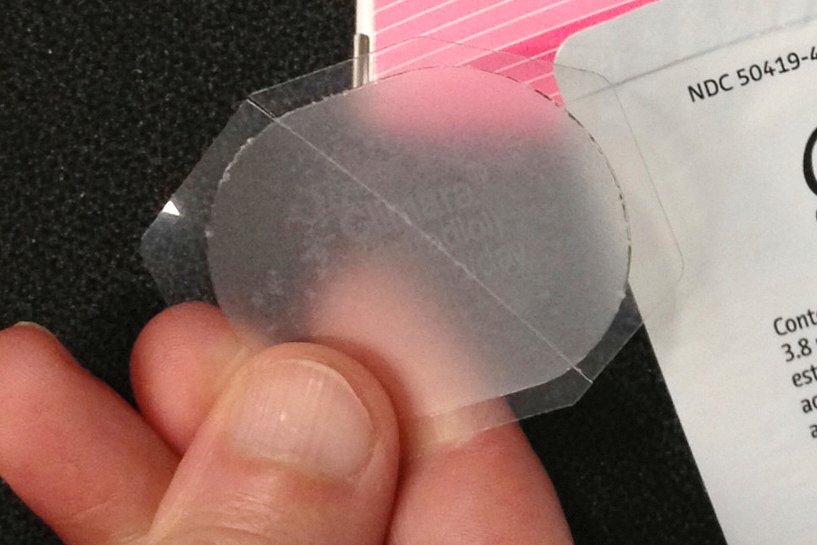
Whole-body therapy includes pills, patches, sprays, gels or a vaginal ring that deliver doses of hormones into the bloodstream at levels high enough to have significant effects on symptoms like hot flashes. Such systemic hormones include estrogens and progestogens.
Jennifer Zwink, a nurse in Castle Rock, Colorado, began using an estrogen patch more than a year ago and also has an IUD, which gives her progesterone. The treatment has relieved her hot flashes, improved her sleep and eased her joint pain and bloating.
“It’s not like a 100% magic wand,” she said. “But it definitely has made a significant difference.”
The Menopause Society says hormone therapy can lower the risk of cardiovascular disease if started within 10 years of reaching menopause. It may also reduce the risk of Type 2 diabetes and maintain bone density for longer.
“They might have a drop in their bone density at age 60” instead of at age 50, said Dr. MargEva Morris Cole, an OB-GYN with Duke University.
Hormone therapy carries some risks
When Leverenz was first prescribed hormone therapy last year, she kept worrying about the risks she’d heard about — then finally decided: “I can’t live like this anymore.”
With a combination of three medications, her anxiety lifted, her sleep improved, her joint pain and hot flashes went away.
“I just feel like myself again,” she said.
Doctors say many patients hesitate to try hormones, and they try to reassure them.
Women can use estrogen therapy for seven years – and estrogen-progestogen therapy for three to five years – before breast cancer risk goes up, according to the Menopause Society.
The group says both estrogen therapy and estrogen-progestogen therapy increase the risk of stroke, which goes away soon after stopping hormones. The risk of blood clots rises if you take hormones by mouth, but may be lower if you use a patch, gel or spray.
“A lot of these risks are small,” said Dr. Nanette Santoro, an OB-GYN at the University of Colorado. “And they have to be weighed against the benefit of symptom relief.”
Age, medical history and how long women stay on the hormones are also considerations. Many women take them for around five years, and those who’ve had a stroke or certain other conditions may be advised against using them at all.
Debate on changing warnings on hormone medications
Doctors are divided over whether there should be changes in “black box” health warnings on some hormone treatments. All estrogen drugs still carry boxed warnings about the higher rates of stroke, blood clots and cognitive problems among women taking the medications.
Most of the physicians at the recent expert panel meeting convened by the FDA prescribe the hormones or are involved with a pharmaceutical industry campaign opposing the warning label. A letter signed by 76 doctors and researchers argues that “removing label warnings without adequate scientific assessment puts patients at risk,” and asked the agency to hold an advisory committee meeting with a public hearing before making any changes.
In the meantime, doctors urge people to be wary of misinformation, like false claims on social media posts that hormones will prevent dementia and ensure a healthy old age.
“We can’t say that you are going to live a longer, healthier life because you took hormones,” Duke’s Cole said. “I don’t want the pendulum to go so far that people feel that it is promising health for the next 30 to 40 years.”
Alternatives to hormone therapy for menopause
Santoro pointed to a new non-hormonal medication called fezolinetant, marketed as Veozah, for hot flashes and night sweats. The anti-epileptic medication gabapentin, in low doses, can also be used for hot flashes and a moisturizer can improve vaginal dryness.
Experts also say regular exercise and a healthy diet can help manage symptoms.
Santoro urged against the “wild proliferation” of supplements claiming to be menopause cure-alls.
“Everybody is in on the menopause gold rush,” she said. “If it looks too good to be true, it probably is.”
___
The Associated Press Health and Science Department receives support from the Howard Hughes Medical Institute’s Department of Science Education and the Robert Wood Johnson Foundation. The AP is solely responsible for all content.
