


A growing share of Americans, especially in rural areas, are losing access to reproductive health care. At the same time, American women are dying during or after pregnancy at higher rates than in any other high-income country.
As a result, many U.S. health care providers and policymakers are looking for ways to improve maternal care.
We believe doulas – care workers who provide nonmedical support before and during pregnancy, labor, birth and the postpartum period – may be a part of the solution.
We are a physician-researcher specializing in high-risk pregnancies and breastfeeding and a Ph.D. candidate in sociology focused on reproductive health and health care disparities.
As hospitals adopt more favorable policies and states expand insurance coverage for doula services, doulas are becoming part of the mainstream U.S. maternal health system.
But there are still significant barriers to access, including awareness, costs and challenges to full partnership with doulas in hospitals.
What a doula offers
Pregnancy, birth and the postpartum period are vulnerable times, and many parents-to-be and new parents find it can be difficult to navigate. Doulas advocate for their clients, helping them voice what they need. They can also help address mistreatment and guide them to appropriate resources.
Doulas do not perform clinical tasks, such as giving medical advice, making medical decisions, providing prescriptions or delivering babies. Rather, they provide nonmedical support. This will look different depending on the type of doula parents hire.
Fertility doulas assist people who are trying to get pregnant. They offer emotional support throughout the fertility journey, complementing the medical care, diagnostics and interventions provided by fertility doctors.
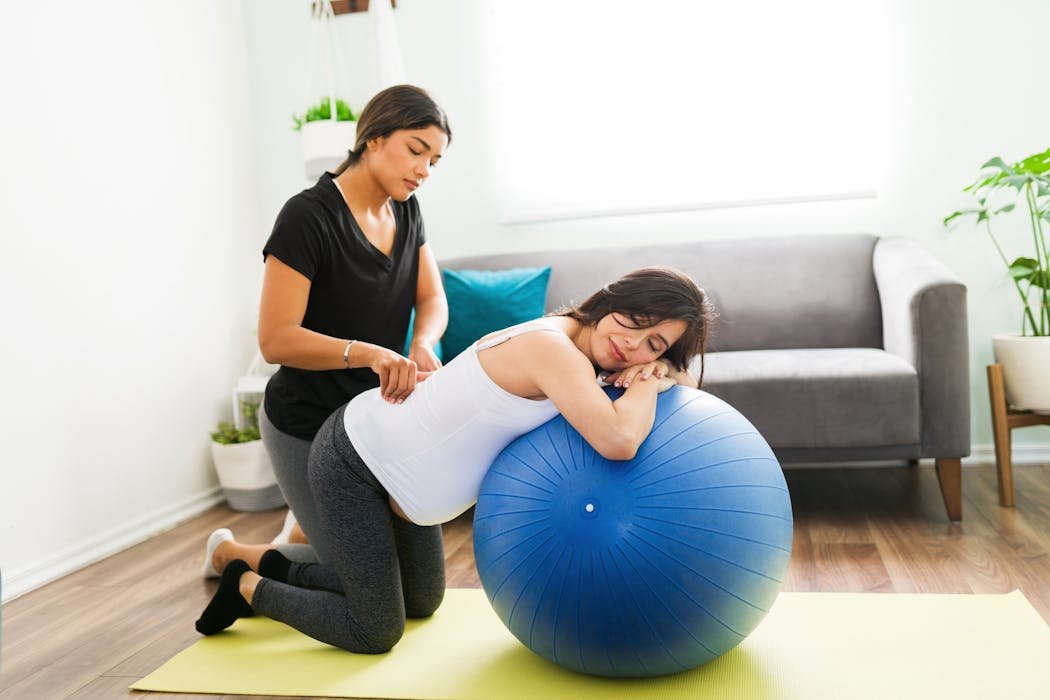
During pregnancy and labor, birth doulas help their clients identify normal symptoms and those that may be urgent warning signs. They also provide labor support, such as positioning and breathing assistance, massage, words of encouragement, coaching, education, continuous presence and other forms of comfort. They offer direct emotional support through the validation of clients’ experiences and emotions.
Postpartum doulas offer extended support to new parents and infants in the immediate days, weeks or months after delivery. They educate parents and act as a bridge to mental health services and additional resources such as diapers, feeding support and housing needs. They may help with supporting a new mom’s infant feeding goals, integrating the infant into the family, sibling care and processing their births.
Full-spectrum doulas offer support throughout pregnancy, delivery and up to six months after birth. Still others offer bereavement services for parents experiencing pregnancy loss, such as abortion, miscarriage and stillbirth.
This sort of holistic care can be invaluable, even for women with access to good medical care. Several months ago, one of us (Adetola) helped a patient find a postpartum doula. She was an educated woman with insurance and access to top medical care. She was suffering the effects of postpartum depression and anxiety despite all the therapy and medical resources offered.
She later wrote that, for her, “the support of my postpartum doula was invaluable in my recovery. My doula provided me with the support I needed in caring for my baby for me to care for myself. Not only did she care for my baby for me to rest, but she helped me with breastfeeding.”

Doula training
As of August 2025, there were 2,232 registered doula businesses in the U.S. California has the highest concentration at 7.5%, while West Virginia has the lowest concentration, 0.1%. These numbers may not reflect hospital-based or nonprofit-affiliated doulas, or those not formally registered.
In the U.S., more than 100 independent organizations provide doula training. Some of the larger organizations include DONA International, Childbirth International and the Childbirth and Postpartum Professional Association. Doula training typically covers communication and advocacy skills, stages of labor and birth, and postpartum support. It also includes coursework on how to build a business as well as infection prevention and control.
Some organizations provide online or in-person courses, and doula training can also be done through apprenticeships. While certifications or licenses are not required to practice, various state Medicaid programs mandate training and certification to qualify for Medicaid reimbursement.
Better outcomes with doula support
The services that doulas offer can complement the more mainstream biomedical approach of many doctors and nurses.
Maternal health outcomes in the U.S. have been worsening for decades in comparison to other high-income countries.
But studies show that a doula-clinician partnership improves key components of maternal health care, such as better communication and patient-centered care, accountability in the health care team and continuity of support for mothers.
Having a doula present in the lead-up to delivery, at the delivery or both is associated with lower rates of cesarean deliveries and preterm births and fewer low-birthweight infants.
Doula support is also associated with improved childbirth education attendance, birth satisfaction, self-efficacy and confidence, breastfeeding experiences and outcomes, and positive infant-care behaviors.
After birth, infants born with a doula present have higher five-minute Apgar scores, an assessment of infant health taken exactly five minutes after birth. Parents who received doula support have reduced rates of postpartum depression and anxiety.
Doula support has also been shown to help close maternal outcome gaps, particularly those rooted in racial, socioeconomic and institutional barriers.
And beyond all the health benefits for parents and infants, research shows that doulas can reduce health care costs associated with having a baby.
Funding sources for doula support
Unfortunately, despite all of these benefits, many U.S. families struggle to afford doula care. Private insurance does not typically cover doula services. Clients can pay out of pocket using a flat-rate service charge, fee-for-service or monthly stipend model. They can also pay for these services using extended benefits such as flex or health savings accounts.
The cost varies by state and region, experience level and service package. Out-of-pocket costs for comprehensive birth doula services can range from US$800 to more than $3,000 across the U.S.
As of September 2025, 23 states plus Washington, D.C., were actively reimbursing Medicaid coverage for doula care.
Only two states – Rhode Island and Louisiana – currently require that private health plans cover doula care. However, Colorado, Virginia, Illinois and Delaware are in the process of implementing doula coverage in private health plans. More states are expected to continue efforts to require doula coverage for private health plans.
Some community-based organizations and nonprofits provide free or low-cost doula care through grants or donations. These programs usually prioritize low-income families. In New York City, free or low-cost doula support is available through the Citywide Doula Initiative which serves Medicaid-eligible families, teen parents and residents of priority neighborhoods.
Moreover, some hospitals and birth centers employ doulas or work with them as part of their maternal care teams.
Finding a doula
When hiring a doula, you’ll want to consider their training, certifications and experience. You will also want to know how available they are, what services they offer and their fees and payment methods.
In addition:
Consider asking your health care provider or hospital for recommendations for doulas in the community.
Ask for recommendations from friends, family or local parenting groups.
Check local community boards, birth centers and drugstores for any doula advertisements.
You might also connect with doulas at birth or parenting classes.
This article is republished from The Conversation, a nonprofit, independent news organization bringing you facts and trustworthy analysis to help you make sense of our complex world. It was written by: Adetola F. Louis-Jacques, University of Florida and Seun Mauton Ajoseh, University of Florida
Read more:
Adetola F. Louis-Jacques receives funding from NIH, Direct Relief, Children’s Trust of Alachua County.
Seun Mauton Ajoseh does not work for, consult, own shares in or receive funding from any company or organization that would benefit from this article, and has disclosed no relevant affiliations beyond their academic appointment.
