


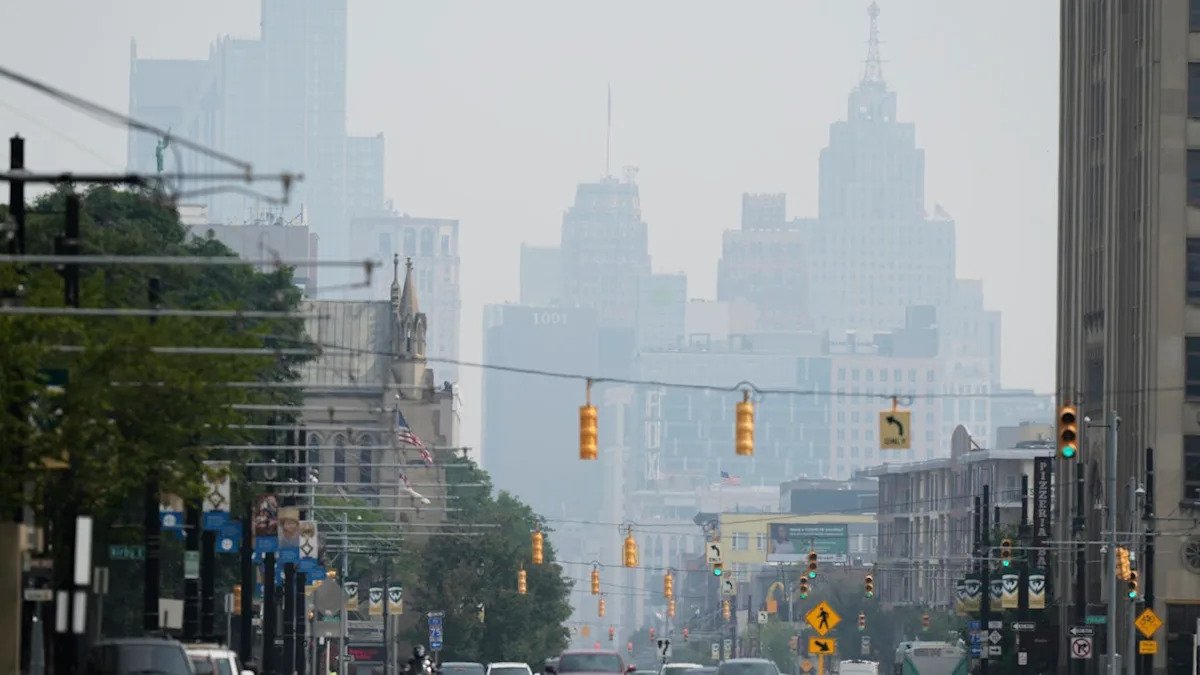
Detroit kids 17 and under were nearly three times more likely to be hospitalized for asthma than other kids in Michigan, according to data from the Michigan Department of Health and Human Services released on Sept. 2, 2025. The data examines the years 2019 to 2023.
During those years, the asthma death rate among Detroit kids was more than four times higher than the state average, according to the state’s data. Dying from asthma is rare and largely preventable.
Detroit was also named the most challenging place to live with asthma in the country by the Asthma and Allergy Foundation of America’s annual rankings of asthma capitals. The ranking, released on Sept. 9, 2025, looked at the 100 largest cities in the U.S. The high number of low-income residents in Detroit and the city’s air pollution are among the risk factors that can worsen asthma and drive asthma rates, the report said. Last year the city ranked third.
Even mild asthma exacerbations such as coughing or congestion can disrupt a child’s and family’s daily routines. When a child is unwell, parents may have to miss work, and children can fall behind in school, adding stress for everyone in the family.
September is the peak month for asthma flare-ups in children. It’s a time when they can be exposed to a variety of triggers such as mold, pollen and respiratory viruses at school or home.
As a pediatric nurse practitioner and clinical faculty member in community health, I partner with health educators and families to create personalized, practical care plans that promote children’s well-being.
I currently work with Focus: HOPE’s early childhood education center in Detroit. During the 2024–25 school year, Focus: HOPE observed a 20% increase in asthma diagnoses among students, meaning we were serving 30 children with asthma, a trend that aligns with state health data.
Although Focus: HOPE shut down part of its Head Start program in August 2025 after losing federal funding, I remain deeply proud of the work my colleagues and I have done to care for children and their families. We remain committed to finding new ways to support our families, communities and children at risk for poor health and educational outcomes.
What worsens asthma symptoms
Asthma is a condition that affects the child’s lungs. It causes the airway to become swollen and narrow, sometimes producing extra mucus. This can make it harder to breathe and may lead to symptoms such as coughing, wheezing – a whistling sound when breathing out – and shortness of breath.
Asthma is not always classified strictly as an allergic disease, but many cases are allergy related, and such cases are becoming more common worldwide. This increase is fueled in part by climate and environmental changes, living in urban populations, increased time spent indoors, obesity and use of cleaning products that can worsen asthma and allergies.
Understanding asthma medications
Asthma is treated with medications, including emergency inhalers, daily long-acting inhalers, combination inhalers, which contains two or more medicines and nebulizer machines. Knowing when and how to use each is essential, and your child’s provider should review this with you regularly.
Many parents from my practice share a common concern about their children taking asthma medications with steroids. They often worry their children will build up a resistance or intolerance to them.
I tell them inhaled steroids go straight to the lungs and don’t affect the whole body like oral or systemic steroids do. They help control daily inflammation and prevent attacks.

An oral corticosteroid “burst” is a short-term treatment, typically lasting five to seven days, used to rapidly reduce severe airway inflammation during asthma flare-ups. It’s usually given in a tapering dose and is not meant for long-term use. These medications are safe, targeted and can make a huge difference in keeping your child out of the ER.
Many believe that children and families will simply “grow out of” asthma. While some with mild symptoms may improve over time, others remain at risk, especially when exposed to common triggers such as freshly cut grass or outdoor play during high-pollen days. Even simple activities such as running through a field can lead to serious asthma flare-ups.
Here are practical steps to help protect your child from experiencing an asthma attack:
Talk with their health care provider to create an asthma action plan.
Keep their vaccines up to date.
Limit exposure to outdoor allergens.
Emergency medical plans at school
Every school staff member should be prepared for a student’s asthma flare-up with a documented emergency plan, knowledge of triggers and medication protocols.
Children should be sent to school with an individualized asthma action plan. An asthma action plan is a form that outlines what to do when symptoms such as coughing, wheezing, fatigue or abdominal pain occur. It specifies the medication, dosage, frequency and when to call parents or 911. The plan should be signed by the provider and kept in the child’s classroom file with their medication.
At school, ensure your child’s inhaler is clearly labeled. Put a prescription label showing the child’s name on both the box and the canister itself. Ask your pharmacy for an extra label, since unlabeled inhalers can easily get lost or mixed up, especially on the playground.
Viruses can trigger serious asthma attacks and lead to complications such as bronchitis or pneumonia. Staying up to date on yearly immunizations, especially the flu and COVID vaccines, can lower these risks and keep your child breathing easier.
Keep your child’s provider up to date about any changes, improvements or worsening symptoms — such as during travel or after moving to a new area. Ask about environmental irritants in your area and what “poor air quality,” increasingly caused by wildfire smoke in Michigan, means for your child’s breathing.
Protect your child from outdoor allergens at home
Everything your child brings in from outside – on their clothes, shoes, and even in their hair – can trigger allergies or asthma symptoms indoors. Here’s how you can help reduce exposure and keep their environment healthy:
Vacuum or dust floors frequently to remove allergens that may trigger an asthma attack. Install HEPA filters on vacuums and HVAC systems to improve air quality in the home.
Take shoes off at the door. Leave sneakers and outdoor shoes outside to avoid tracking allergens inside.
Change clothes before entering bedrooms. Clothes worn outside can carry pollen, dust and other irritants.
Wash hair before bed. Outdoor allergens can settle in your child’s hair and transfer to their pillow, increasing overnight exposure. If daily washing isn’t possible, consider using a bonnet and changing pillowcases frequently.
Daily hygiene matters. A warm shower and nose-blowing at the end of the day help clear inhaled irritants.
Stay hydrated. Keeping your child well hydrated helps thin mucus and reduce respiratory discomfort.
This article is republished from The Conversation, a nonprofit, independent news organization bringing you facts and trustworthy analysis to help you make sense of our complex world. It was written by: Rhonda Conner-Warren, Michigan State University
Read more:
Rhonda Conner-Warren Full-time faculty at MSU College of Nursing, with part of my time subcontracted to Focus: HOPE in Detroit.
