


Remember when Reels was dismissed as Meta’s attempt to clone TikTok?
Well, now the five-year-old app is on track to generate $50 billion a year. It’s turned into a huge win for Meta, and it has become one of the biggest “creator economy” businesses in the world.
But that number also makes something else clear: The creator economy’s biggest winners aren’t creators. It’s the platforms that depend on them.
That’s because almost every one of those platforms depends on the labor of creators — a shorter way of describing “people who make and/or own content” — but shares very little of the revenue those creators’ stuff generates.
The one major exception is Google’s YouTube, which is also a $50 billion business, and which, until recently, shared about half of all the money its videos made with the people who made the videos. Everyone else —Meta, TikTok, Snap — offers a different deal, which goes like this: Give us your stuff, for free. Maybe we’ll give a small subset of you some kind of bonus from a “creator program” or something like that. But for the most part, we’ll make money selling ads against your stuff on our platform — and you’ll have to find another way to make money. You’re welcome!
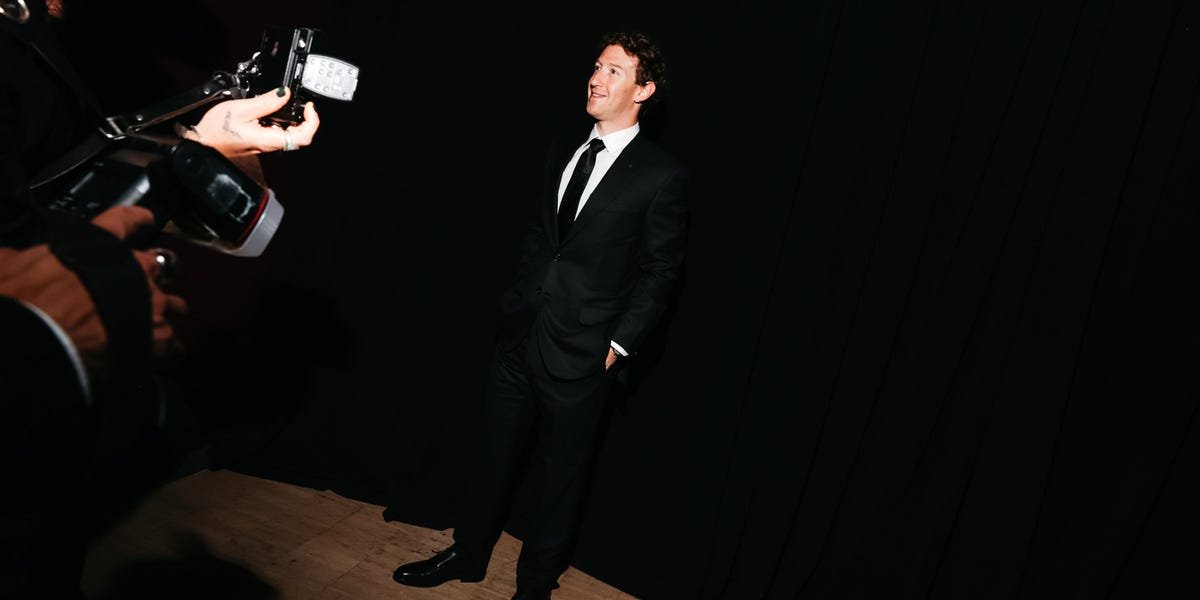
This is not news to people in and around the creator economy (again: you could just say “media business”). But Meta’s boast about its success — made by Mark Zuckerberg last month, during his Q3 earnings call — puts it in sharp relief.
It’s hard to build a $50 billion a year business doing anything, anywhere. But a $50 billion business built on other people’s content that you get more or less for free? That’s pretty special.
Even better for Meta and its peers: There’s no sense that any of this is going to change. Every so often, someone will tell me about their plan to make it happen: They’ll convince a bunch of content creators to take their stuff off the non-sharing platforms unless they get a better deal. It never happens.
And Meta and its peers have a pretty good argument for why that doesn’t happen, though they generally don’t say this out loud (I’ve asked Meta for comment). It’s that their massive platforms offer creators the promise of exposure, which they can parlay into businesses they can build on their own.
Sure, maybe Meta isn’t going to give you a meaningful cut of the money it makes selling ads against your videos. But someone else may pay you a bunch of money to feature their product in one of your videos. Win, win. And if you don’t like it, go find another huge platform that gives you a better deal. Good luck.
Again, there is one place to get a better deal, which is YouTube. The world’s biggest video site kicked off the creator economy way back in 2007, when it launched its “partner program,” which still exists today. That one gives (most) big YouTube video-makers 55% of any ad dollars attached to their videos. And while YouTube creators have spent years complaining about that split, it’s still the best deal in town.
Why haven’t other platforms tried to do the same thing? I ask them all the time. Sometimes they’ll mention that it’s difficult to figure out how to share revenue for videos you swipe past in a vertical feed. But the real answer is that they’ve found they don’t have to — why pay for something you can get for free? The margins are way better.
Even YouTube, the one platform that built real economics for creators, is backing away a bit. Shorts — its TikTok clone — gives creators a smaller cut, and ties payouts to a shared pool of ad money, not their actual videos. The message is clear: Even the platform that started out sharing the pie would like to keep more of it.
Why not? It works for Meta, and everyone else.
