


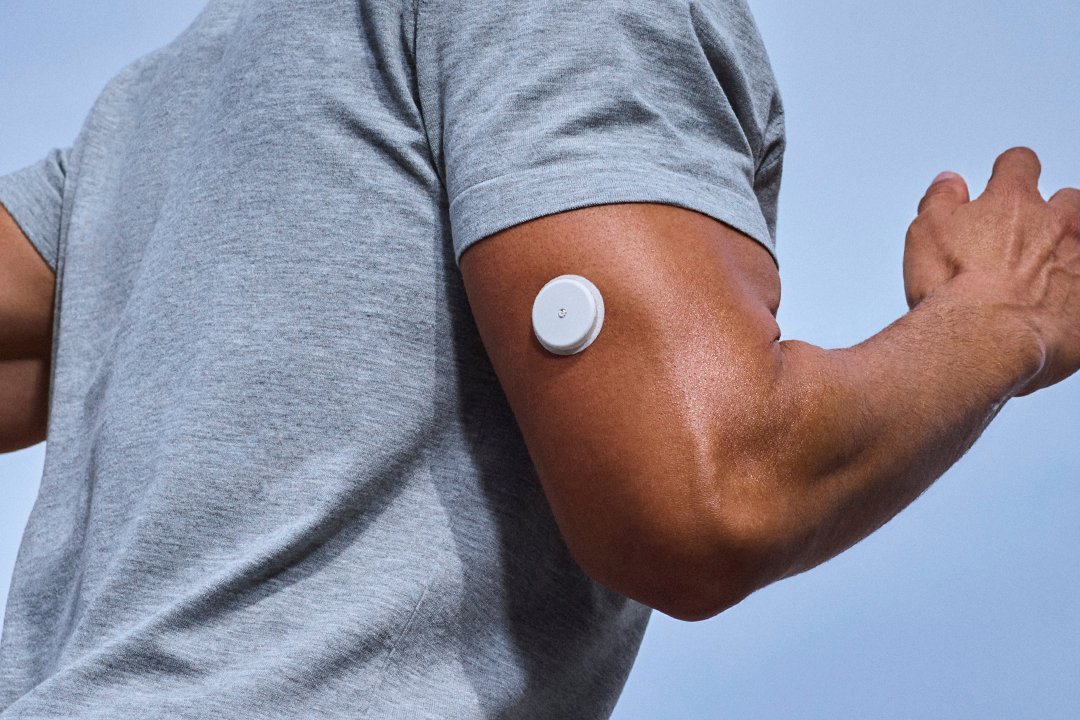
A quarter-size device that tracks the rise and fall of sugar in your blood is the latest source of hope — and hype — in the growing buzz around wearable health technology.
Continuous glucose monitors, small patches that provide 24-hour insight into concentrations of sugar in the blood, could be a tool for Americans to “take control over their own health,” Health Secretary Robert F. Kennedy Jr. recently told federal lawmakers.
“They can take responsibility,” Kennedy said. “They can begin to make good judgments about their diet, about their physical activity, about the way they live their lives.”
The devices have lifesaving benefits for people with diabetes, the disease caused when blood sugar remains high because their bodies don’t make enough insulin or become resistant to it. The condition, which affects more than 38 million people in the U.S., raises the risk of serious health problems such as heart and kidney disease and vision loss.
But the devices have surged in popularity among people without diabetes. Sales have been driven by high-profile marketers such as Casey Means, the nominee for U.S. surgeon general.
There’s scant evidence the monitors are useful for people with normal blood sugar levels, said Dr. Jody Dushay, an endocrine specialist at Beth Israel Deaconess Medical Center.
Healthy bodies can effectively regulate glucose after meals and provide the energy they need to function. Glucose monitors may lead people to misinterpret normal swings in blood sugar that happen after eating or activity. In addition, the devices can be “notoriously inaccurate,” providing misleading readings, she said.
“The problem with wearing these is that you can just be zooming in on and creating pathology when it’s not there,” Dushay said.
Here’s what you need to know about the devices:
Here’s what a continuous glucose monitor does
The device is a small patch, about the size of two stacked quarters, usually placed on the upper arm or stomach. It uses a needle to painlessly pierce the skin for a tiny sensor.
The sensor measures the glucose in fluid under the skin, delivering a signal every few minutes to a phone app or a handheld display. The apps typically record blood sugar levels and help people track the foods they eat and how they impact those levels.
When healthy people eat a meal that contains carbohydrates, their blood sugar rises, peaks and falls in response to the food.
A healthy fasting blood glucose level for a person without diabetes is roughly 70 milligrams per deciliter to 99 milligrams per deciliter. A range from 100 to 126 milligrams per deciliter indicates prediabetes and above 126 milligrams per deciliter indicates diabetes, according to the American Diabetes Association.
In adults without diabetes, blood sugar levels can climb to 140 milligrams per deciliter or more within an hour of a meal, before falling back to baseline levels within two or three hours, according to the association. It’s a sign the body is processing sugar normally.
Continuous glucose monitors have been available since the late 1990s
For decades, these devices were available only for people with diabetes. The monitors revolutionized care by allowing more precise adjustment of insulin used to treat diabetes and giving people the ability to modify meals and activity more accurately.
Last year, the U.S. Food and Drug Administration approved the first over-the-counter monitors. Since then, many companies have emerged to market them, claiming to provide intensive, individualized health monitoring. Cost is generally about $100 a month.
They’ve really caught on with consumers curious about how food and activity affect their blood sugar levels. For instance, Noom, the weight-loss and fitness app, launched a blood glucose feature last year that has proven extremely popular, said Alexander Fabry, a company executive.
“Of the people who are using a CGM, the vast majority of them don’t have a diabetes diagnosis,” he said.
Who can use the monitors?
The devices have been lifesaving for people with diabetes. And they can be helpful for people with risk factors for the disease, including obesity, prediabetes, a history of gestational diabetes or a family history of the condition.
The devices can allow users to see how specific food and activity choices affect their blood sugar in near real-time, said Dr. Alaina Vidmar, a pediatric obesity specialist at Children’s Hospital Los Angeles.
“After a large meal, you may watch your blood sugar go up and sort of learn something about yourself,” Vidmar said. “For example, I drink a sugar-sweetened soda and my blood sugar goes up really high, really fast. And maybe I don’t feel as good, right?”
What are the cautions?
People without risk factors for diabetes may turn to the monitors just because they’re curious, said Dr. David Kessler. A former FDA commissioner, Kessler doesn’t have diabetes, but he wore a monitor for a couple months during research for his recent book, “Diet, Drugs and Dopamine.”
“I think it’s a very interesting tool to experiment with if you’re so inclined,” Kessler said.
But, he noted, the devices can’t be used to diagnose or treat disease. Even experts don’t agree on how to interpret or provide health advice for people without diabetes based on blood sugar data.
“No one knows what’s optimal in the nondiabetic state,” he said.
Before using a monitor, Dushay asks patients to consider their motives.
“What do you think you’re going to get from the data?” she said. “What is to be gained from wearing that monitor?”
___
The Associated Press Health and Science Department receives support from the Howard Hughes Medical Institute’s Department of Science Education and the Robert Wood Johnson Foundation. The AP is solely responsible for all content.
