


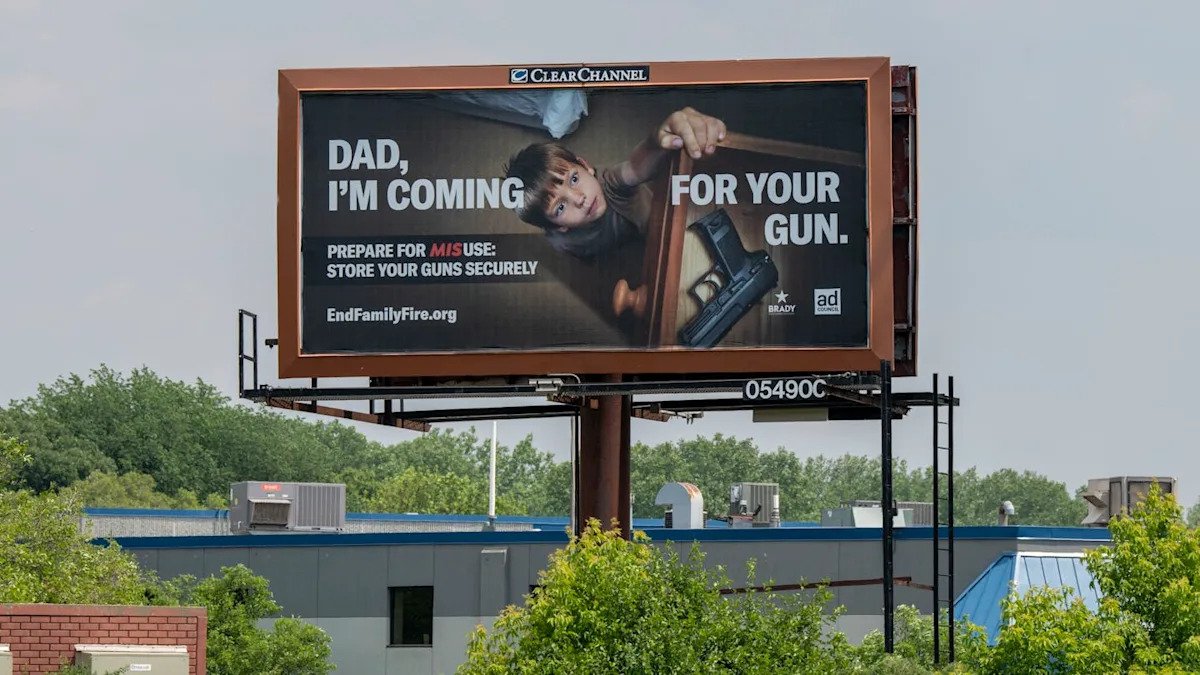
Colorado has one of the highest suicide rates in the nation, at 20.9 per 100,000 in 2023. Of the state’s 940 gun deaths that year, nearly 72% were by suicide.
Nationally, firearms are the leading cause of death for American youth ages 1 to 17. More than 1 in 4 youth firearm deaths nationwide are due to suicide, with a parent’s firearm most often the weapon used.
Firearm-related injuries and suicide both are highly sensitive and stigmatized topics that many people are reluctant to talk about, yet both are major public health concerns with solutions for prevention.
Lifesaving conversations
As an emergency room physician in Denver, I’ve learned how to talk to my patients about firearms and suicides. On every single shift, I care for adults with suicide risk. I always talk with them and their families about reducing access to firearms at home, such as giving control of the locking device to a family member or temporarily storing guns away from homes.
Research shows that these conversations may reduce suicide risk and that patients are open to them.
Working in the emergency room has shown me that everyone goes through tough times. Unfortunately, even though there’s no shame in asking for help, people may be reluctant to share what they’re going through or to seek mental health or medical care.
A recent article about adults who died by suicide found that those who used a firearm were less likely to have used mental health care services in the year before death. Based on research like this, and my two decades in the ER, I firmly believe that we can’t leave firearm suicide prevention to clinicians alone. Rather, firearm suicide prevention efforts need to happen in nonclinical spaces with “trusted messengers” from the firearms or local community. This might be particularly useful for men, who traditionally have been less likely to seek mental health help.
The community’s role in firearm suicide prevention
In addition to seeing patients, I’m also a suicide prevention researcher and the founding director of the Firearm Injury Prevention Initiative at the University of Colorado, where we use research, education and collaboration to bring evidence-based solutions to communities.
Firearm suicide deaths are preventable, and the National Shooting Sports Foundation and American Foundation for Suicide Prevention emphasize that anyone can learn to “have a brave conversation” about firearms and suicide. To be clear: This approach isn’t advocating for firearm confiscation. And it’s not about implying that firearms cause suicide, or that people with suicide risk don’t need access to effective help for mental illness, substance use or social stressors. But there’s no harm caused by asking a person if they’re struggling, and it might help.
Simple actions can help someone get through a time of high risk of suicide and get the support they need. No one – young, old, urban, rural, gun owner or not, with any political affiliation – wants to lose a loved one to suicide. That’s something agreed on by the firearm industry, health care and public health organizations and academia.
Firearm suicide is preventable
Suicide, particularly by firearm, is often preventable for a few reasons.
First, while many suicide attempts occur within the context of mental illness, short-term crises usually precipitate the attempt – things such as the breakup of a romantic relationship, job loss, financial stressors or bullying.
Second, studies show that the time from deciding to attempt suicide to actually taking action can be as little as minutes to hours – and also that, among people who survive an attempt, the majority do not go on to die by suicide.
This mix of impulsivity and ambivalence highlights why a safe environment – without access to firearms or other lethal methods – can be the difference between life and death for someone in crisis. Firearms are a particular concern because they are so deadly – up to 90% of suicide attempts involving firearms end in death.
If a firearm isn’t available, even if a person substitutes a different method – and most don’t – they’re more likely to survive than if they’d used the firearm. And while a prior suicide attempt is a risk factor for future suicide, only about 10% of those who survive an attempt later die by suicide.
Simple steps for firearm suicide prevention
What does this mean for clinicians, families, friends or community leaders?
It’s simple: Reduce firearm access for people with suicide risk. This can mean secure, locked firearm storage, which limits unauthorized or unsupervised firearm access. When the firearm owner is the one with suicide risk, they can hand over the key or PIN to the locking device to a family member or friend.
Many types of firearm locking devices are available, so there’s something for every home situation. Firearms can also be temporarily and voluntarily stored away from home at local gun shops during a time of risk, or for other reasons, such as home renovation, military deployment or travel.

In Colorado, there are multiple suicide awareness walks taking place in the fall of 2025. At the CU medical campus, our team provides workshops to train leaders from varied fields and from across the state how to build firearm suicide prevention programs that work for their communities.
I often say, “We all have a role in preventing firearm injury.” Mine is working in clinical, research and community settings on evidence-based firearm suicide prevention programs. What’s yours?
For a person who’s struggling with their mental health – or for anyone worried about them – the national 988 hotline provides 24/7 free guidance by phone, text or web chat.
Read more of our stories about Colorado.
This article is republished from The Conversation, a nonprofit, independent news organization bringing you facts and trustworthy analysis to help you make sense of our complex world. It was written by: Emmy Betz, University of Colorado Anschutz Medical Campus
Read more:
Emmy Betz receives research funding from the National Institutes of Health and the Department of Defense.
