


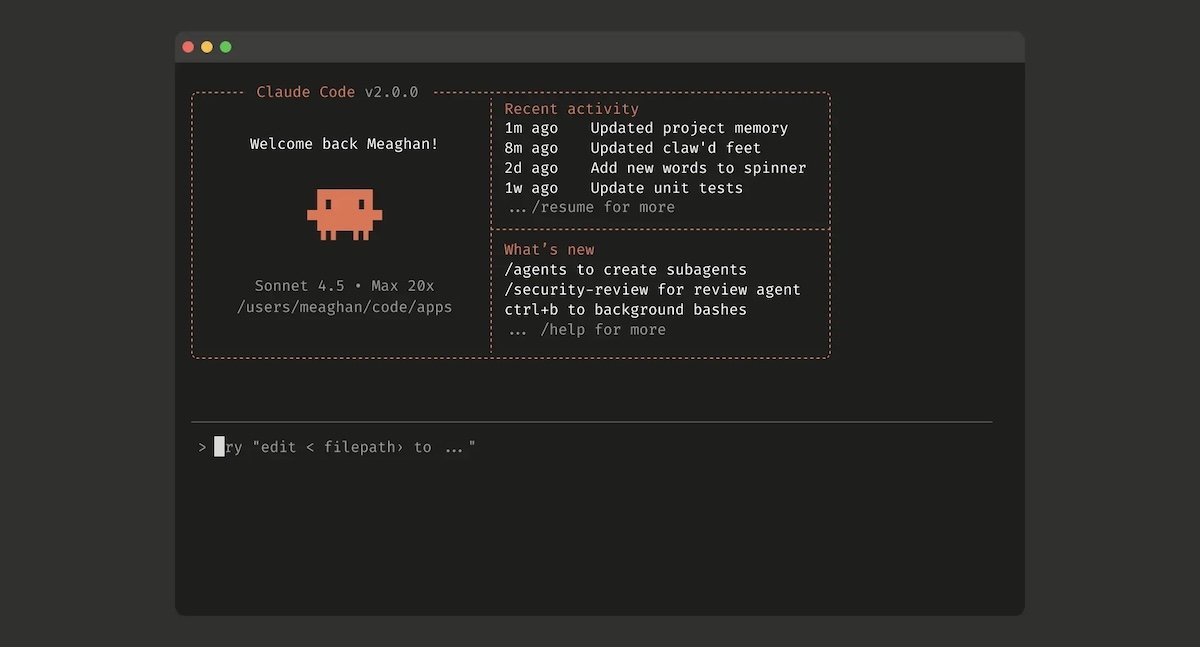
Anthropic is bringing Voice Mode to Claude Code, the company’s AI coding assistant for developers. The launch of voice mode marks a significant step toward more hands-free, conversational coding workflows.
Thariq Shihipar, an engineer at Anthropic, announced the feature’s gradual release on X on Tuesday. According to Shihipar, voice mode is now live for about 5% of users, with a broader rollout planned in the coming weeks.
Voice mode is designed to streamline the coding experience by letting users interact with Claude Code through spoken commands. To enable it, type /voice to toggle it on, then speak your command and Claude Code will execute the request. For instance, “refactor the authentication middleware.”
Voice mode is rolling out now in Claude Code. It’s live for ~5% of users today, and will be ramping through the coming weeks.
You’ll see a note on the welcome screen once you have access. /voice to toggle it on! pic.twitter.com/P7GQ6pEANy
— Thariq (@trq212) March 3, 2026
It remains unclear what the limitations of the new capability are, including whether there are caps on voice interactions or specific technical constraints. It’s also unknown if this feature was built in collaboration with a third-party AI voice provider like ElevenLabs, with whom Anthropic was reportedly in talks.
The company has not yet responded to requests for comment from TechCrunch.
Anthropic launched Voice Mode for its standard Claude chatbot last May, allowing users to interact with the model via voice for a variety of general-purpose tasks.
Techcrunch event
San Francisco, CA
|
October 13-15, 2026
The competition in AI coding assistants is fierce, with Microsoft’s GitHub Copilot, Cursor, Google, and OpenAI all vying for developers’ attention. Yet, Claude Code stands out as one of the most widely adopted tools in the market today. In February, Anthropic reported that Claude Code’s run-rate revenue surpassed $2.5 billion, more than doubling since the beginning of 2026. Plus, weekly active users have doubled since January.
Meanwhile, Claude’s mobile app has seen a dramatic jump in user growth after the company refused to allow the Department of Defense to use its AI for domestic surveillance or autonomous weapons. In the aftermath, the app soared to the top of the U.S. App Store charts, overtaking ChatGPT.
