


Bethany Skorik loves to entertain, and up until recently, her grocery store purchases were based on flavor, color and, sometimes, what she could buy in bulk. But since becoming pregnant with her first child, Skorik wanted to be more informed about the ingredients she was consuming. She started using Yuka, a mobile food and cosmetic scanning app with 55 million users that assesses products’ nutritional quality and safety, to determine pregnancy-safe food.
“I can tell you I’m stunned, borderline appalled, at what I was consuming in the past,” Skorik, a certified etiquette consultant and founder of the Charming Diplomat, tells Yahoo Life.
Now confronted with the nutrition facts behind several ultra-processed foods she used to buy — particularly instant noodles, cake mix and snacks marketed to kids — Skorik says she can no longer purchase them in good faith. She says the app has changed her life and health.
“My grocery bill has significantly gone up; however, I’m not mad about it,” says Skorik. “I will absolutely continue monitoring my ingredients going forward to protect myself and my family’s health.”
Amra Beganovich, founder of the lifestyle brand Colorful Socks, says her spending has also been “a touch higher” since joining Think Dirty, an app that helps users identify potential toxins in household products, cosmetics and personal care items. “It’s an investment in quality, and … long-term wellness,” Beganovich tells Yahoo Life. “I shop slower now [and] read more labels.”
Getty Images
Apps and influencers are changing what people buy
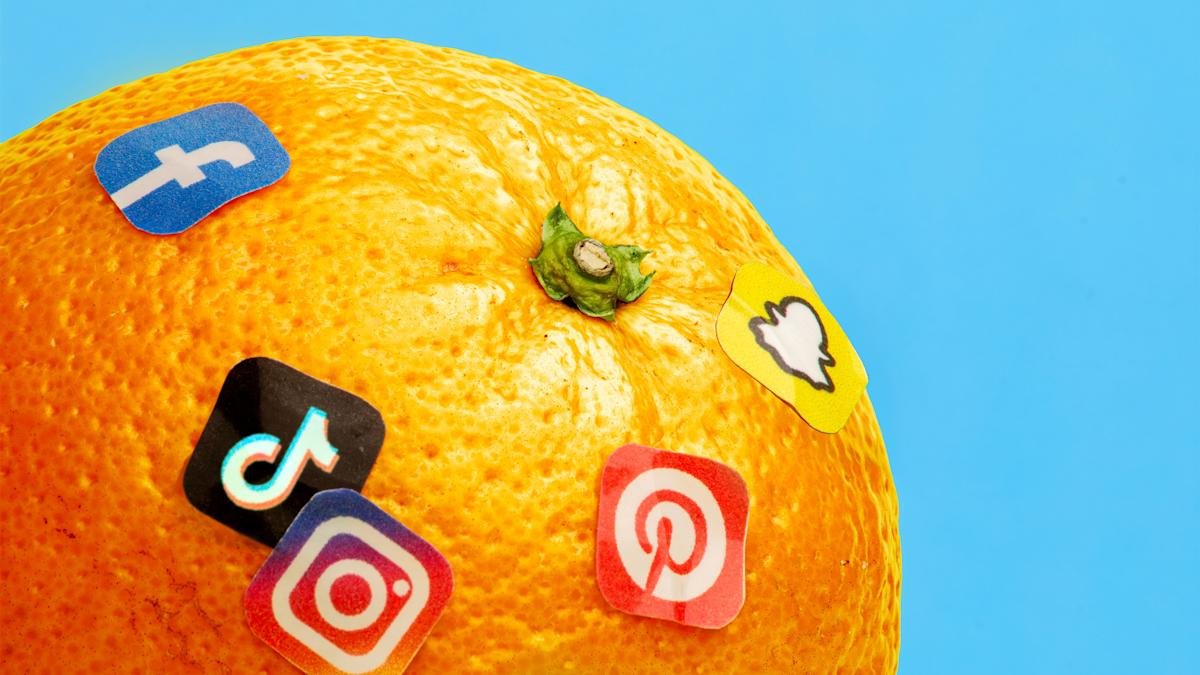
With apps, social media and wellness influencers putting health and food safety in the spotlight, people are changing the way they eat and shop — even if it comes with a higher price tag.
“People now see the things they put in their grocery carts as an extension of their values, and they use recommendations from people they trust to help them choose products that fit these values,” says Michelle Nguyen, product owner and marketing manager at UpPromote, a referral and affiliate marketing platform.
A 2024 global survey from PwC found that, despite increasing inflation and cost-of-living standards, some people are willing to pay nearly 10% more for sustainably produced or sourced products.
“These trends reflect a broader societal shift,” says Laurie Hise, founder of the budgeting blog Passionate Penny Pincher. “Consumers are demanding transparency, prioritizing health and looking to influencers for guidance.”
According to a recent report from Inmar Intelligence, 84% of consumers now purchase items based on content creators’ recommendations, and 73% trust creators as much or more than traditional brand advertising.
“Nutriwashing” may be partly to blame for a loss of consumer trust in some cases. The term refers to a popular marketing strategy in which food companies use buzzwords like “low-carb,” “natural,” and “high in protein” to make products seem healthier than they are. In reality, many food items splashed with such claims are ultra-processed foods, which are linked to serious health risks, including heart disease, diabetes, obesity and cancer, when eaten in high amounts. Over the years, several major food corporations, including Kellogg and Kraft Heinz Foods , have faced lawsuits because of these marketing tactics.
“Once lost, trust often fuels consumer-led movements, boycotts and backlash,” says Darin Detwiler, a food safety expert at Northeastern University and author of Food Safety: Past, Present, and Predictions. “And just like that, purchasing power shifts — not because consumers are fickle, but because they feel duped, unheard or unprotected.”
In a 2025 study published in the Journal of Business Research, researchers examined how food scanning apps have affected consumer spending. The researchers concluded that a “food app … triggers a new balance of power between consumers, companies and the State.”
Still, misinformation and even deception can lurk among those promising to guide you to the “healthier” products. “Apps and influencers can empower consumers, but they can also mislead or oversimplify complex issues, especially when algorithms and social media trends reward fear or outrage over facts,” says Detwiler. Seed oils, which have been vilified by some wellness influencers, are a good example of that.
Some dietitians say that food scanning apps can lead to unfounded fears in many consumers. (Getty Images)
Take time to vet your health and wellness sources
It’s important to take the time to vet the people you are following for nutrition and health advice, even when bombarded with information, says Ari Lightman, professor of digital media and marketing at Heinz College of Carnegie Mellon University.
Some influencers are indeed nutritionists and health experts, while “others are perhaps less informed from a scientific and holistic perspective but heavily opinionated and perhaps swayed by paid endorsements,” Lightman tells Yahoo Life.
For example, in 2023, the Federal Trade Commission sent warning letters to several social media influencers and two trade associations — the American Beverage Association and the Canadian Sugar Institute — for promoting aspartame and sugary beverages without properly disclosing their ties.
Food scanning apps are not without their downsides either. Some dietitians believe that the apps sometimes oversimplify food product assessments. Suzanne Hyslop, a nutritionist at Ocean Recovery Centre in the U.K., says that, depending on the product, “this can lead to unnecessary alarm about ingredients that, in moderation, may not actually pose a risk.”
Some people may also become fixated on avoiding certain ingredients and “can quickly escalate into obsessive label-checking, food restriction or anxiety around eating anything that isn’t ‘clean,’” says Tanya Hargrave-Klein, a dietitian nutritionist at Equip, which provides virtual treatments for eating disorders.
So while it’s normal to want to know what’s in your food, Hargrave-Klein says users should “stay aware of when that curiosity turns into fear.”
Whether or not you are turning to apps or social media to guide you in your buying decisions, there’s no question the way our culture thinks about food is changing. “We’re in the middle of a paradigm shift,” says Detwiler. “Grocery shopping is no longer a routine errand. It’s a reflection of identity, priorities and trust. And it’s not just about what’s on the label, but what’s behind it.”
