


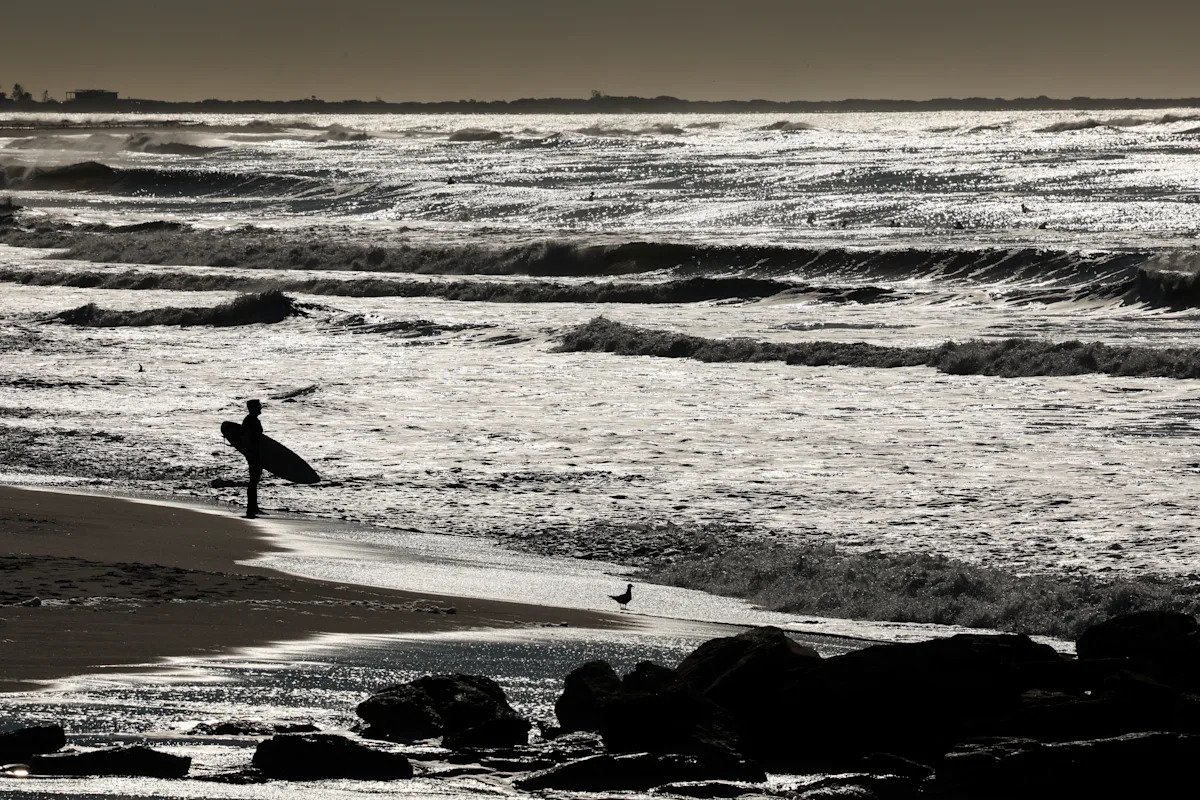
SAN DIEGO —Thousands of people across the United States are being advised against water-related activities at beaches and other coastal areas during the Labor Day holiday weekend due to unsafe levels of bacteria.
Swimming caution advisories and closures have been issued for numerous beaches along the East Coast — from Maine to Florida — because of water quality concerns caused by elevated levels of fecal contamination. The advisories warn beachgoers to avoid water contact due to potential illness risk from bacteria.
Meanwhile, authorities on the West Coast also warned of high bacteria levels at beaches, including in San Diego, where part of the Imperial Beach shoreline, Silver Strand shoreline, and Coronado were closed as of Aug. 31, according to San Diego Beach Water Quality.
At the start of Labor Day weekend, the Los Angeles County Department of Public Health issued an ocean water use warning on Aug. 29 for local beaches due to bacterial levels exceeding health standards. The warnings were issued for parts of Topanga County Beach, Manhattan Beach, Hermosa Beach, Redondo Beach, and Santa Monica, among others.
In Michigan, several beaches were either closed or under bacteria advisories, the Detroit Free Press, part of the USA TODAY Network, reported. State officials said some beaches weren’t safe for swimming due to potential wildlife contamination.
Consumption of or contact with water contaminated with feces of humans and other warm-blooded animals can cause a variety of illnesses, such as gastrointestinal illness, skin rashes, respiratory illness, and other types of infections, according to the U.S. Geological Survey and U.S. Environmental Protection Agency.
The Environmental Protection Agency said the most commonly tested fecal bacteria indicators are E. coli and enterococci bacteria, among others. The bacteria can come from sewage discharges, failing septic systems, storm water runoff, and animal and agricultural waste, according to the New York State Department of Health.
What to know: Flesh-eating bacteria case in Cape Cod prompts public health alert
Hundreds of beaches had ‘potentially unsafe contamination levels’ in 2024
Beaches are a popular destination during the summer months and holidays, such as Independence Day and Labor Day. But closures due to high levels of bacteria and fecal contamination remain a widespread issue across the nation.
Earlier this summer, high bacteria levels prompted beach closures and advisories from Michigan to New York as beachgoers prepared for Independence Day celebrations. According to the Harvard T.H. Chan School of Public Health, beach closures from unsafe bacteria levels “tend to peak in July because it’s hot and more people are there.”
A report from conservation group Environment America, released in July 2025, noted that 61% of U.S. beaches had “potentially unsafe contamination levels” in 2024. During that year, the group found that 1,930 out of 3,187 tested beaches nationwide experienced at least one day in which indicators of fecal contamination reached potentially unsafe levels.
The group also discovered that more than 450 beaches had potentially unsafe levels of fecal contamination for at least 25% of the days tested. The report added that there were over 7,563 health warnings or closures at coastal and Great Lakes beaches in 2024, impacting one out of every 15 swimming days.
“Each year, there are an estimated 57 million cases of illness in the U.S. resulting from swimming in oceans, lakes, rivers, and ponds. The vast majority of these illnesses go unreported,” the report states. “Contaminated water can also trigger health warnings or closures that interfere with our ability to enjoy the beach.”
Legionnaires’ disease outbreak: Another person dies in NYC’s largest Legionnaires’ disease outbreak in a decade
What are beach advisories, closures?
Beach advisories and closures occur when water quality tests show the presence of one or more contaminants that exceed healthy standards, according to the National Oceanic and Atmospheric Administration’s Ocean Service. Beachgoers are advised to follow state and local guidelines for advisories and to find information on a beach’s current water quality.
Beach closures and advisories can be caused by excessive rainwater that carries pollution from storm drains to recreational waters, the National Ocean Service says. Pollutions include motor oil, animal waste, pesticides, trash, and pathogens.
Other sources that lead to beach closures and advisories are harmful algal blooms — such as red tides —— sewage, and chemical spills, according to the National Ocean Service. The USA TODAY Network – New England reported on Aug. 29 that more than 20 beaches in Vermont were under bacteria advisories due to high cyanobacteria levels heading into Labor Day weekend.
According to the Vermont Department of Health, cyanobacteria, or blue-green algae that grow in freshwater, can release toxins into the water that create unsafe swimming conditions. Health effects from coming in contact with cyanobacteria include rashes, abdominal pain, vomiting, liver damage, and dizziness.
“It is generally wise to avoid swimming after heavy rains or if the water is an unusual color without first checking with local or state health authorities,” the National Ocean Service advises.
Contributing: Jalen Williams, Detroit Free Press; Catherine Messier, USA TODAY Network – New England
This article originally appeared on USA TODAY: Beaches close over Labor Day weekend due to fecal contamination
