


The death toll in New York City’s Legionnaires’ disease outbreak has risen to five with more than 100 cases confirmed across five ZIP codes in Central Harlem, local health officials announced.
Since the outbreak began on July 25, the New York City Health Department has reported 108 cases of Legionnaires’ disease in Central Harlem — a historically Black neighborhood in Upper Manhattan. The latest death was reported on Aug. 18 after health officials concluded that a person with the disease who died before mid-August was associated with the Central Harlem cluster.
“Based on epidemiological evidence, remediation efforts have been effective as new cases continue to decrease,” Dr. Michelle Morse, acting commissioner of the city health department, said in a statement on X. “The Health Department is continuing our investigation.”
As of Aug. 19, the city health department said 14 people with the disease were currently hospitalized as officials continued investigating the community cluster of the disease in ZIP codes: 10027, 10030, 10035, 10037, and 10039. The city health department reiterated that the risk to most residents in these ZIP codes remains low but urged those who work or live in the area to immediately see a health care provider if they are experiencing flu-like symptoms.
Legionnaires’ disease is a severe pneumonia caused by a type of bacteria called Legionella, which grows in warm or hot water, according to the Centers for Disease Control and Prevention. Symptoms, which can develop up to 14 days after exposure, include cough, fever, chills, headaches, muscle aches, and shortness of breath.
NYC Legionnaires’ disease outbreak: An obscure disease keeps spreading through air conditioning
Where does the Legionnaires’ disease outbreak stem from?
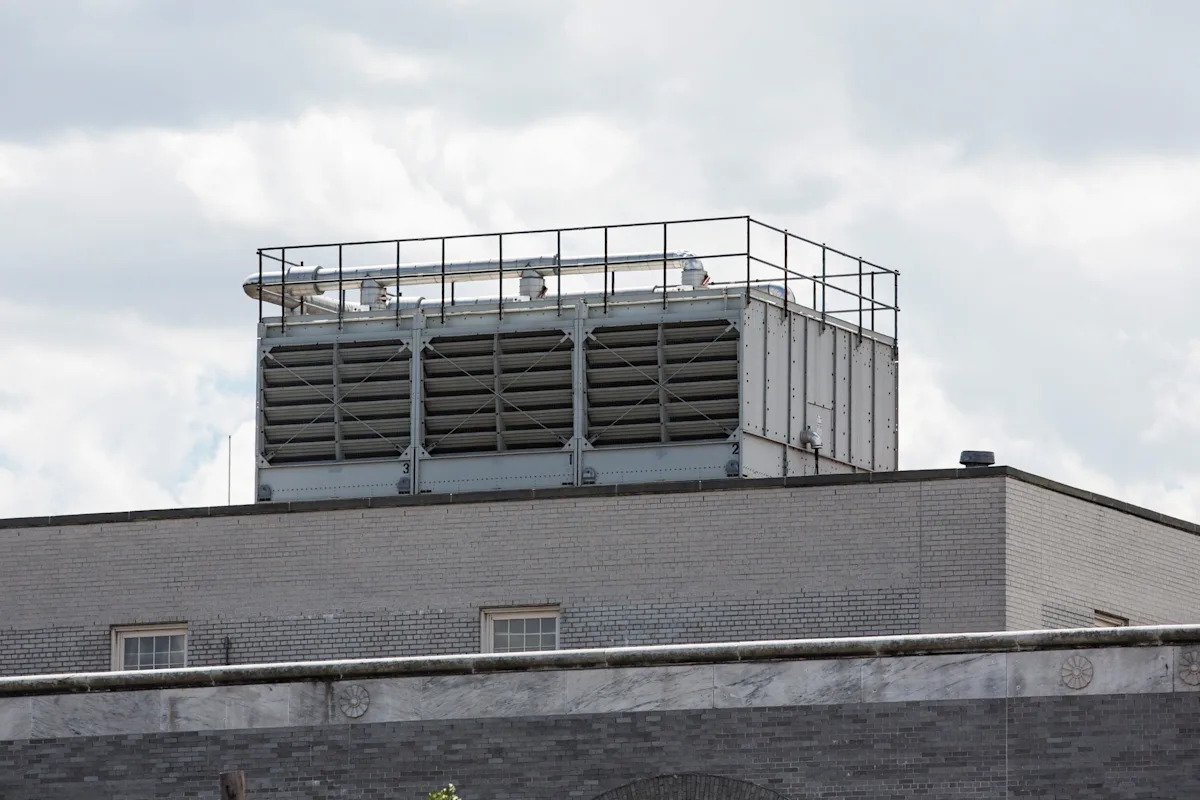
The outbreak in Central Harlem has been linked to cooling towers in the area, according to the city health department. Cooling towers are heat exchangers that use fans and water to cool down buildings.
In an update on Aug. 19, the city health department said it has sampled and tested water from all cooling towers in the five ZIP codes. On Aug. 14, health officials confirmed that 12 cooling towers in the area had positive results for the Legionella bacteria. Remediation of the towers has since been completed.
Health officials have noted that the outbreak is not related to the buildings’ hot or cold water supply, and that the plumbing system was separate from the cooling tower system. People should continue to use air conditioning, including window units, and other appliances that use water, the city health department said.
“Any cooling towers with initial positive results for Legionella bacteria have completed the treatment required by the Health Department,” according to the city health department. “We are continuing to monitor and let buildings know if additional treatment is needed.”
USA TODAY previously reported that the Central Harlem cluster is already the largest outbreak of the disease in the city in a decade. Typically, clusters have been concentrated in lower-income and non-White communities.
The city saw its largest recent outbreak in 2015, when 138 cases and 16 deaths were linked to a single cooling tower in the South Bronx. In 2022, the Highbridge neighborhood of the Bronx had a cluster of 30 people diagnosed with the disease, according to a city health department report.
What is Legionnaires’ disease?
The disease takes its name from a 1976 outbreak at a state convention of the American Legion veterans organization in a Philadelphia hotel. More than 180 people contracted the disease, and 29 died.
Though it is considered a rare disease, the American Lung Association says Legionnaires’ disease is a growing health concern. It has steadily become more common nationwide in recent decades, according to the CDC, and research has shown that hotter, more humid temperatures have contributed to the increase in cases.
Legionnaires’ disease is a type of pneumonia caused by consuming water or breathing in water vapor contaminated with Legionella bacteria, according to the CDC. The disease can be caused by plumbing systems where conditions are favorable for bacterial growth, such as cooling towers, whirlpool spas, hot tubs, humidifiers, hot water tanks, and evaporative condensers of large air-conditioning systems.
Legionnaires’ disease cannot be spread from person to person and can be treated with antibiotics, the CDC says. Most healthy people who get infected usually get better, but about one in 10 people who get the disease die due to complications from it.
The best way to prevent Legionnaires’ disease is by cleaning pipes and devices that use water, according to the CDC. And health officials have urged people at higher risk — including those ages 50 and older, cigarette smokers, and people with chronic lung disease or compromised immune systems — to immediately seek medical care if they have symptoms.
“Legionnaires’ disease can be effectively treated if diagnosed early, but New Yorkers at higher risk, like adults aged 50 and older and those who smoke or have chronic lung conditions, should be especially mindful of their symptoms and seek care as soon as symptoms begin,” Morse said in a statement on Aug. 4.
Contributing: Eduardo Cuevas and Melina Khan, USA TODAY
This article originally appeared on USA TODAY: NYC Legionnaires’ disease: Death toll climbs to 5 from the outbreak
