


When you typically think about extreme heat, a sweltering, sunny day may come first to mind. But climate scientists are also sounding the alarm on warm summer nights, saying they are quietly becoming a worrisome consequence of climate change — and a serious public health concern.
When nighttime temperatures don’t drop low enough relative to peak daytime heat, it is harder for people to cool off, according to Climate Central, a nonprofit organization that analyzes and reports on climate science.
Extreme heat is the leading weather-related killer in the United States, with heat waves responsible for more deaths than other extreme weather events like tornadoes, flooding, or hurricanes, according to the National Weather Service.
This week, more than 200 million people across the U.S. from South Dakota to Florida and up the East Coast to Boston, are on alert for widespread, dangerous heat. Extreme heat warnings have been issued for large cities from Iowa to Florida, including New Orleans, Memphis, St. Louis, Omaha, Des Moines, Savannah, Raleigh, Charleston and Sioux Falls.
In these areas, feels-like temperatures are forecast to soar into the triple digits during the afternoon hours, with the dangers remaining even after the sun sets.
A dangerous temperature trend
From 1970 to 2024, Climate Central analyzed average summer nighttime temperatures in 241 locations across the U.S. The organization found that these temperatures have warmed in nearly all locations, increasing by 3.1 degrees Fahrenheit on average.

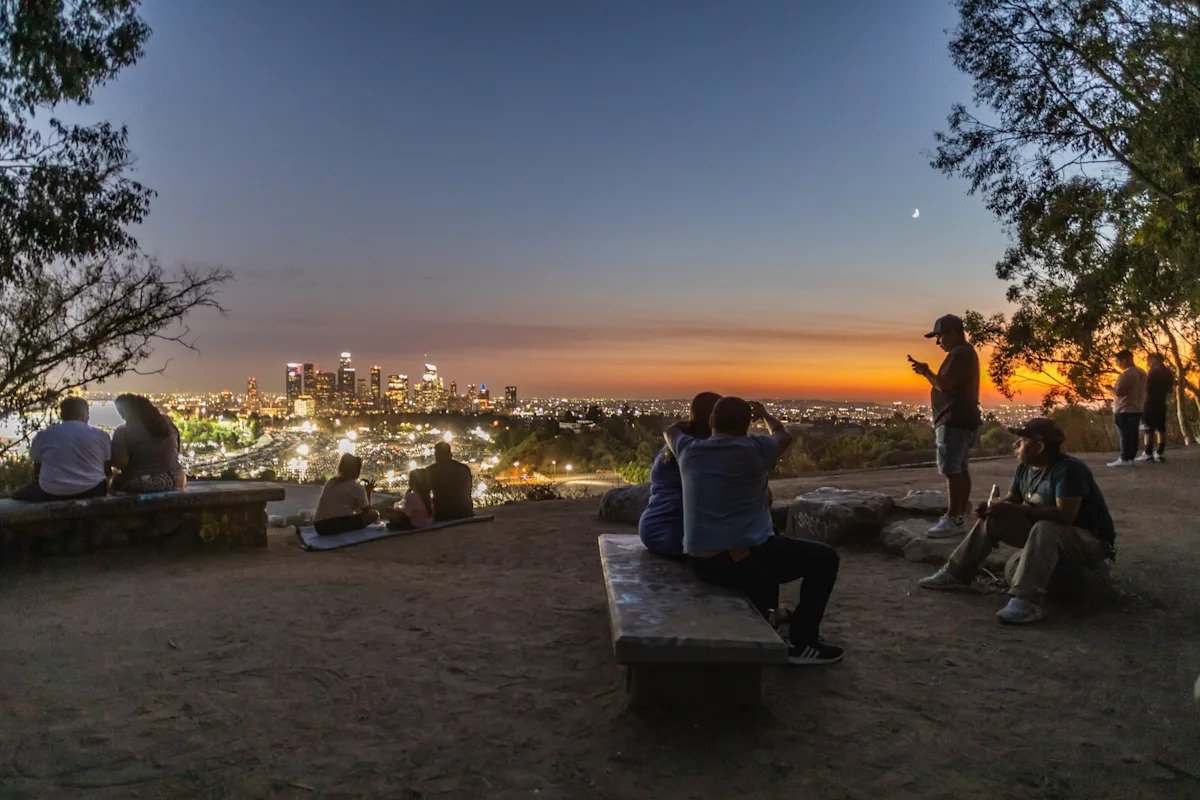
Apu Gomes/Getty Images – PHOTO: People hangout at Elysian Park at night due to high temperatures during the day, Sept. 6, 2024, in Los Angeles.
MORE: Heat indices could hit 120 as sweltering temperatures grip eastern half of US
Looking to the future, warm summer nights are expected to become increasingly frequent in the coming decades, according to the Environmental Protection Agency (EPA).
In many regions across the country, the EPA reports nighttime temperatures are projected to remain above 70 degrees Fahrenheit more often.
Health risks
The most serious health impacts of a heat wave are often associated with warm overnight temperatures, the EPA warns.
The Centers for Disease Control and Prevention (CDC) echoes these warnings, saying if the air stays too warm at night, the body faces extra strain trying to regulate body temperature. Without this crucial drop in temperature, vulnerable populations — including elderly people, children, and those with pre-existing conditions — face heightened health risks, according to the agency.

STOCK PHOTO/Getty Images – PHOTO: A man has insomnia/lack of sleep in an undated stock photo.
MORE: Heat stroke vs. heat exhaustion: Safety tips as dangerous temperatures hit US
Prolonged exposure to high heat in the evenings has been linked to poorer sleep quality, which can impair immune function, exacerbate mental health issues, and increase the risk of chronic conditions such as heart disease, according to the CDC.
While extreme heat and triple-digit temperatures frequently are the focus of attention and grab headlines, the lack of adequate overnight cooling is also a serious concern that amplifies the impacts of heat. Overnight cooling is essential for not just the human body, but infrastructure and ecosystems to recover after a hot day.
Cities feel heightened temperatures
Warmer overnight temperatures are also fueled by urban development. Cities with heat-retaining concrete and asphalt are particularly vulnerable to higher temperatures when vegetation is lost to more paved surfaces and buildings, according to the EPA.
Compared with surrounding rural areas, urban locations have higher overall temperatures, especially at night. This is known as the “urban heat island” effect.
Rising concentrations of greenhouse gases and increased atmospheric moisture are major contributors to the ongoing rise in nighttime temperatures seen in recent decades.
As the atmosphere warms, it can hold more water vapor, which functions like an insulating layer, trapping heat and significantly limiting the amount of cooling that can occur at night, according to the National Oceanic and Atmospheric Administration (NOAA).
