


With few treatments available to stop or reverse Alzheimer’s disease, scientists have turned to cancer drugs as a potential means of walking back cognitive decline.
Alzheimer’s cases are rising in the United States and worldwide due to an aging population, but there is no cure for the disease. Attempts to develop new treatments that slow the disease’s progress, rather than lessen symptoms, have frequently failed.
Only two drugs — the antibody therapies Leqembi and Kisunla — are currently approved by the Food and Drug Administration to slow the progression of early Alzheimer’s, and scientists say their benefits are limited.
Some pharmaceutical companies have halted or abandoned their Alzheimer’s drug development programs because of unsuccessful trials. Others are trying to use existing medications, including popular weight loss drugs, to combat Alzheimer’s.
With that in mind, researchers at the University of California, San Francisco conducted a broad search for drugs that could be repurposed to treat the condition — in theory, reducing the time in which the drugs could be made available to patients. They scoured a database of more than 1,300 drugs of various classes, including antipsychotics, antibiotics, antifungals and chemotherapy drugs. Then, they looked at how those drugs affected gene expression.
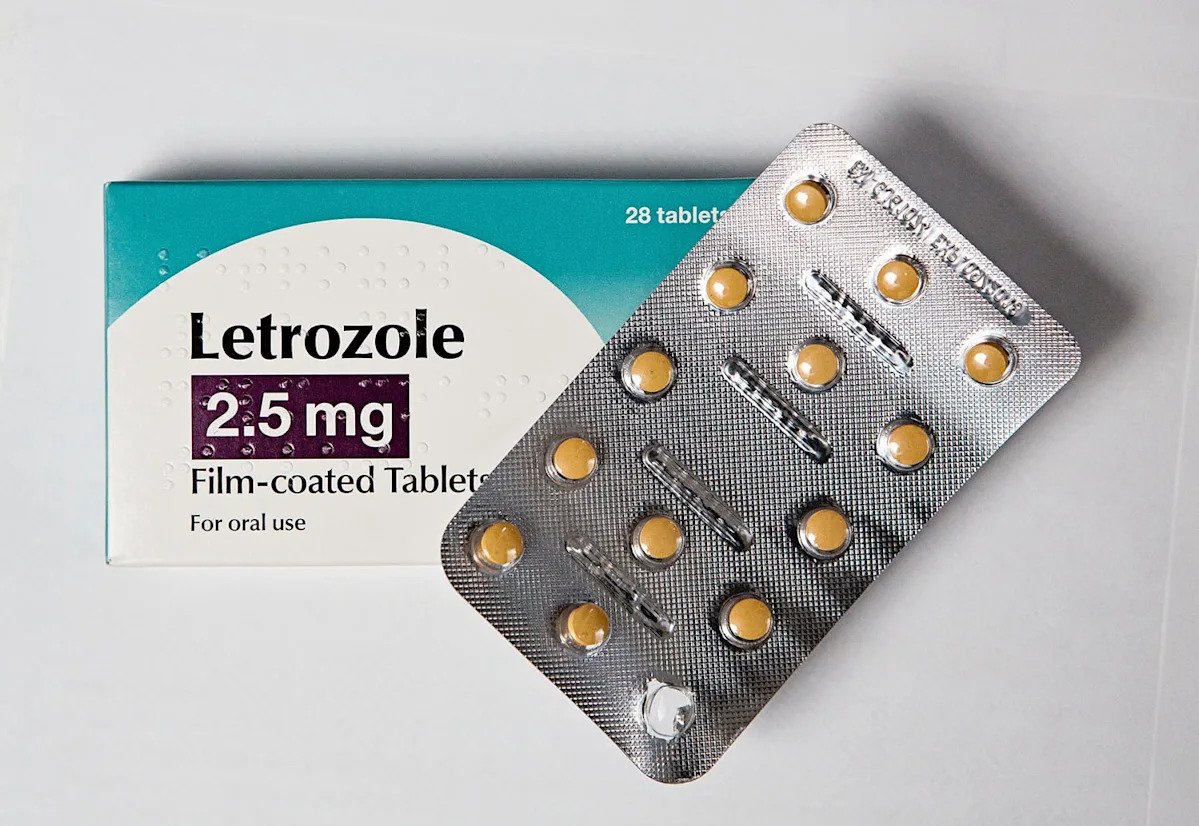
Their new study, published Monday in the journal Cell, identified two cancer drugs as the best candidates to lower Alzheimer’s risk in patients. When combined, the drugs seemed to slow or reverse Alzheimer’s symptoms in mice. One of the drugs is normally used to treat breast cancer, while the other is effective against colon and lung cancer.
Alzheimer’s disease is associated with significant changes in the way genes are expressed in the brain, leading to the increased production of certain proteins and the decreased production of others. These imbalances may disrupt brain function and contribute to symptoms like memory loss.
Fewer than 90 drugs in the researchers’ database reversed the expression of signature Alzheimer’s-related genes in human brain cells. And five drugs in particular seemed to lower the risk of Alzheimer’s in actual patients, based on electronic medical records. The authors ultimately selected two of those drugs, both approved by the FDA to treat cancer, to test in mice.
“We didn’t expect cancer drugs to come up” as the most promising, said Marina Sirota, a co-author of the study and interim director of the UCSF Bakar Computational Health Sciences Institute.
The authors said the breast cancer drug letrozole seemed to change gene expression in nerve cells. And the colon and lung cancer drug irinotecan seemed to change gene expression in glial cells, which support the nervous system. Alzheimer’s can destroy nerve cells and cause glial cells to proliferate, creating inflammation in the brain.
In a 2020 study, breast cancer patients who received letrozole were less likely to develop Alzheimer’s than patients who did not receive the drug. Colorectal cancer survivors treated with irinotecan also had a decreased Alzheimer’s risk, according to a 2021 study.
After testing the drugs in mice, the study authors found that the two-drug combo reversed brain degeneration and improved memory in mice that had developed hallmarks of Alzheimer’s as they aged.
Because results in mice often don’t translate to humans, the researchers hope to test the drugs in a clinical trial with Alzheimer’s patients.
“Developing a new drug can take hundreds of millions, or even billions, of dollars, on average take more than 10 years. For this repurposed drug, usually it just takes two or three years, and then you can go to the clinical trial and the cost is much, much lower,” said Dr. Yadong Huang, a co-author of the study and professor of neurology at UCSF.
“We still haven’t generated or produced any very effective drugs that can really slow dramatically the cognitive decline,” he added.
Part of the difficulty in developing drugs for Alzheimer’s is the complexity of the disease. Its exact cause is largely unknown.
For now, the authors said, it’s unclear exactly why the cancer drugs seem to work against Alzheimer’s. One theory is that the breast cancer drug blocks the production of estrogen, a hormone that controls the expression of a large number of genes. The colon and lung cancer drug may also block inflammation in the brain by preventing the proliferation of glial cells — though Huang said there are other possibilities.
Dr. Melanie McReynolds, an assistant professor of biochemistry at Pennsylvania State University, who was not involved in the study, offered another theory.
Her research has suggested that a different type of cancer drug could help treat Alzheimer’s by regulating glucose metabolism, the process by which cells make energy. McReynolds said the process is necessary for various brain cells to communicate with each other.
“With aging, with stress, with diseases, that line of communication is disrupted,” she said.
McReynolds said the drug combo tested in the new study might reverse metabolic decline — what she called “the secret for contributing to better outcomes with Alzheimer’s.”
But assessing how Alzheimer’s patients tolerate the combination of cancer drugs will be important. Letrozole can cause hot flashes and irinotecan can cause severe diarrhea. Both drugs can lead to nausea and vomiting.
“These drugs have huge side effects, so you need to always balance and figure out whether those types of side effects would be amenable to somebody with Alzheimer’s,” Sirota said. “It’s not that it’s a slam dunk.”
This article was originally published on NBCNews.com
