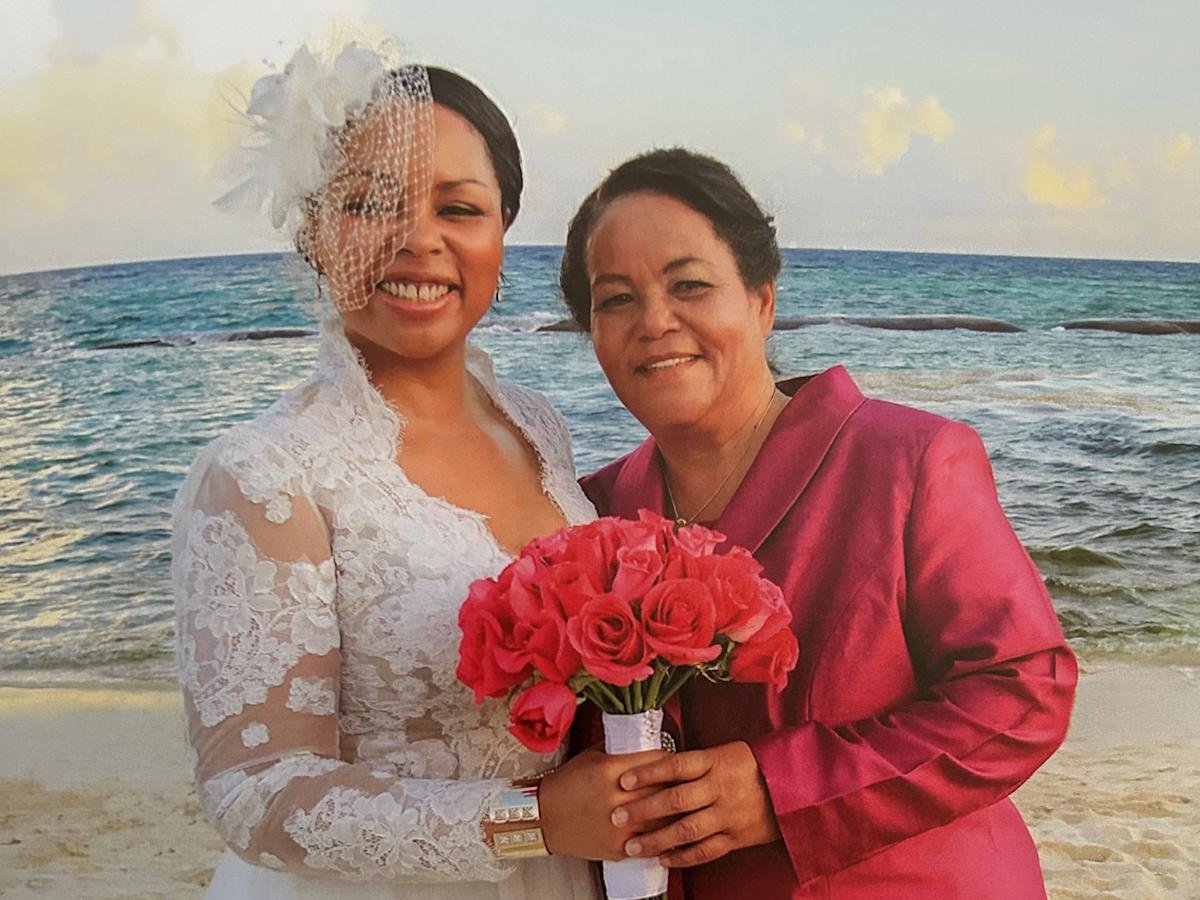
Melissa Shaw became her mother’s primary caregiver after a sudden terminal cancer diagnosis.
Shaw, a financial advisor, learned crucial lessons about end-of-life planning and caregiving.
Her biggest lessons include the importance of Medigap, healthcare proxies, and life insurance.
This as-told-to essay is based on a conversation with Melissa Shaw, a 46-year-old financial advisor in Palo Alto, California. It has been edited for length and clarity.
I’ve been a financial advisor since 2011 and have worked at Teachers Insurance and Annuity Association of America, or TIAA, as a wealth management advisor for over seven years.
I help clients with estate and incapacity planning, but I encountered completely different issues when my own mother became terminally ill and I became her primary caregiver in October 2024.
Her diagnosis was sudden. Doctors found stage four cancer that had metastasized to her back, causing a fracture. Within weeks, my family moved her from Las Vegas to Northern California to be closer to me.
She died by the end of December — it was a two-month ordeal.
Initially, she seemed fine, but she declined rapidly. It was shocking and unexpected.
I visited the hospital daily and took on the bulk of decision-making responsibilities. Thankfully, TIAA offers generous caregiver benefits and flexibility, and I had savings to help cover unexpected costs.
I’ve learned many valuable lessons through this experience about end-of-life planning.
Since enrolling in Medicare at the age of 65, my mom opted for a Medigap (Medicare Supplement Insurance) plan instead of a Medicare Advantage plan, and that decision proved vital.
Her Medigap plan covered 20% of medical costs that original Medicare didn’t, including any doctor or procedure approved by Medicare, without referrals or prior authorizations. Every doctor she saw was relieved she had it.
If you or a loved one is approaching 65 — especially with ongoing health issues — I strongly recommend researching Medigap options during the Medigap Open Enrollment Period, when insurers can’t deny coverage or charge more due to pre-existing conditions.
My mom didn’t assign a designated decision-maker, and I couldn’t make health decisions for her. When her health rapidly declined in the last three weeks of her life, she became barely cognizant and luckily was able to manage a scribbled signature for a necessary procedure.
Story continues
I started to prepare a POA and healthcare proxy, but by the time it was ready, she was no longer mentally competent enough to sign it. She signed an advanced directive form with the hospital when she started the cancer treatment, which allowed me to make some decisions on her behalf.
I learned how imperative it is to name a health proxy at any age.
After she died, we were unable to access her bank account funds for 45 days due to a waiting period intended to protect creditors. Luckily, she had a term life insurance policy that paid out quickly to help cover immediate expenses.
Additionally, she didn’t name a beneficiary for the bank accounts, which is a common mistake. Many assume that checking accounts don’t need beneficiaries, but even modest balances may end up in probate, which can be a significant hassle.
Also, the bank was unable to share her transaction history, so I had no way of knowing which bills had already been paid.
We received her life insurance proceeds quickly; all that was required was a death certificate.
Clients may want to consider insurance as a liquidity measure at death to cover immediate expenses, such as funeral costs and bills.
I was surprised by how expensive it is to bury someone. We were quoted up to $25,000 for burial plots in California.
Even cremation, which we chose, came to around $23,000 after including the niche (a final resting spot to house cremated remains) and the funeral. Prepaying or researching in advance can prevent financial issues.
I spent many nights in the hospital with my mom. Her condition changed from day to day; it was an emotional roller coaster.
Balancing work, caregiving, and my own emotional health was difficult. I’m married, and my kids were 5 and 7 years old. I wasn’t seeing them regularly during the two months she was sick. Luckily, TIAA offered eight weeks of caregiver leave.
Many caregivers only have access to unpaid leave through the Family Medical Leave Act (FMLA), so it’s important to plan for potential income loss. If you can take paid leave, do it, because it’s tough to balance the emotional toll it takes.
Wills are essential for securing guardianship and expressing personal wishes, but they don’t guarantee that all your assets will be transferred correctly.
Retirement accounts, such as IRAs or 403(b)s, are typically passed by beneficiary designations, rather than through wills or trusts. Many other assets are passed via trusts. You should work with both a financial advisor and an estate attorney to discuss your needs.
I did the best I could, but if I could do things differently, I would’ve taken an official leave from work to focus solely on caring for my mother.