


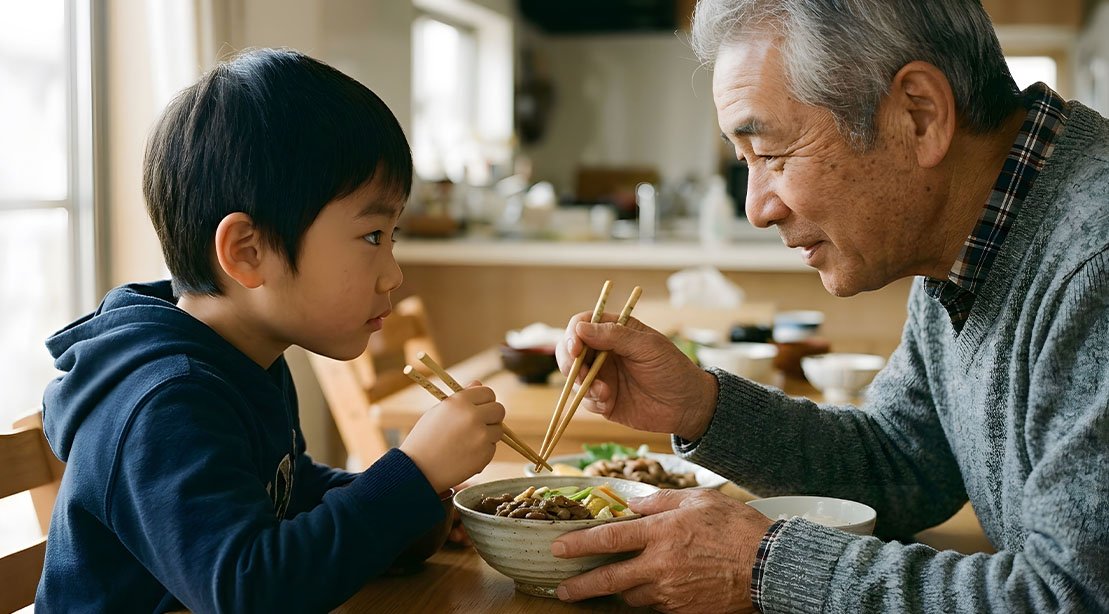
In an age where extreme measures such as extended juice cleanses and multi-day fasts are often relied upon for short term weight loss, the traditional Japanese practice of hara hachi bu, which translates to “eat until you are eight parts full,” is a more sustainable, long term way of dropping fat that allows you to still eat the foods that you love. Sound good? Here’s what you need to know.
What Is Hara Hachi Bu and Why Is It Trending?
You’ve no doubt heard the phrase “everything in moderation.” Hara hachi bu is very much rooted in the same concept. Better still, there’s a bonus to using this ancient method of battling the bulge, because those who follow the practice tend to live longer and suffer less diseases. Hara hachi bu is not about cutting out your favorite foods, but rather putting down the plate when you feel 80% full, instead of gorging until your belt taps out.
“More recently, it’s been gaining attention as a strategy for weight loss. But while hara hachi bu might emphasise eating in moderation and stopping before you’re full, it shouldn’t really be as seen as a method of dietary restriction,” wrote Aisling Pigott, a lecturer in dietetics at Cardiff Metropolitan University, making his observations in an academic piece for thecoversation.com. “Rather, it represents a way of eating that can help us learn to have awareness and gratitude while slowing down at mealtimes.”
What Does the Science Say About Hara Hachi Bu?
With the average American man eating around 2,720 calories per day, and women consuming 2,118 calories, this kind of food intake often creates an energy surplus leading to weight gain and subsequent obesity. Of course, the number of calories required by an individual will depend on a range of factors such as how active you are (calculate your own requirements with the Mayo Clinic calorie counter), but while medical intervention from drugs such as Ozempic are beginning to bring average calorie consumption down, hara hachi bu can be practiced with no injections or financial outlay.
In Okinawan, Japan, the average number of calories consumed by those who eat until they are 80% full tend to consume around 1,900 calories, that’s significantly less than many in the western world. “It’s also associated with lower long-term weight gain and lower average body mass index (BMI),” explained Pigott. “The ethos of hara hachi bu also makes perfect sense in the context of modern life and may help us develop a better relationship with the food we eat.”
How You Can Use Hara Hachi Bu to Stay Lean Year-Round
Start with more mindfulness around what you eat. Remember, you should be eating to prevent hunger, rather than stuffing yourself until you are stuffed full of food. “If you’re physically hungry, denying yourself may only lead to stronger cravings or overeating later. But if you’re feeling bored, tired, or stressed, take a moment to pause. Giving yourself space to reflect can help prevent food from becoming a default coping mechanism,” explained Pigott.
This mindfulness should extend to giving food your full focus. We tend to eat more when distracted by technology, so savor each bite and stop when you reach around 80% satisfaction. In reality, it can take around half an hour for your brain to get the message that it is full, so eating more slowly makes perfect sense. You should also aim for nutritional meals using whole foods, since those that are rich in vitamins, minerals, and fiber tend to make us feel fuller for longer, compared to refined carbs and overly processed meats.
“There’s no need to eat ‘perfectly,’” advised Pigott. “The point of hara hachi bu is about being aware of your body—not about feeling guilty over what you’re eating.”
Why Okinawans Have Some of the Highest Life Expectancies in the World
Okinawans over the age of 65 enjoy the world’s highest life expectancy, reports bluezones.com. And they suffer only a fraction of the diseases that kill Americans. That’s 20% less in terms of cardiovascular disease, 20% less for breast and prostate cancer, and less than half the rate of dementia seen among similarly aged Americans.
“Eating should be a sensory and satisfying experience. Slowing down allows us to know when we’re satiated and should stop eating,” added Pigott. “Being more aware of the food we eat and taking time to taste, enjoy and truly experience it as hara hachi bu emphasizes, can allow us to reconnect with our bodies, support digestion and make more nourishing food choices.”
