


A Texas woman has died from a rare brain-eating amoeba after using a sinus rinse with contaminated water, according to a case report from the Centers for Disease Control and Prevention.
The 71-year-old woman — who was previously healthy — used tap water at a campground in a nasal irrigation device, and health officials believe this is how she contracted the amoeba, the report states.
She developed a brain infection known as primary amebic meningoencephalitis (PAM) and died eight days after symptoms began, according to the report.
MORE: Georgia resident dies from rare, brain-eating amoeba, officials say
“This is an infection that can happen to anyone,” Dr. Stephanie Widmer, a board-certified medical toxicologist and emergency medicine physician in New York, told ABC News. “You don’t necessarily have to have underlying medical conditions or other risk factors that make you vulnerable.”
Other details about the patient including name, race/ethnicity or town of residence were not provided in the report.
Here’s what to know about the rare, but often fatal, disease.

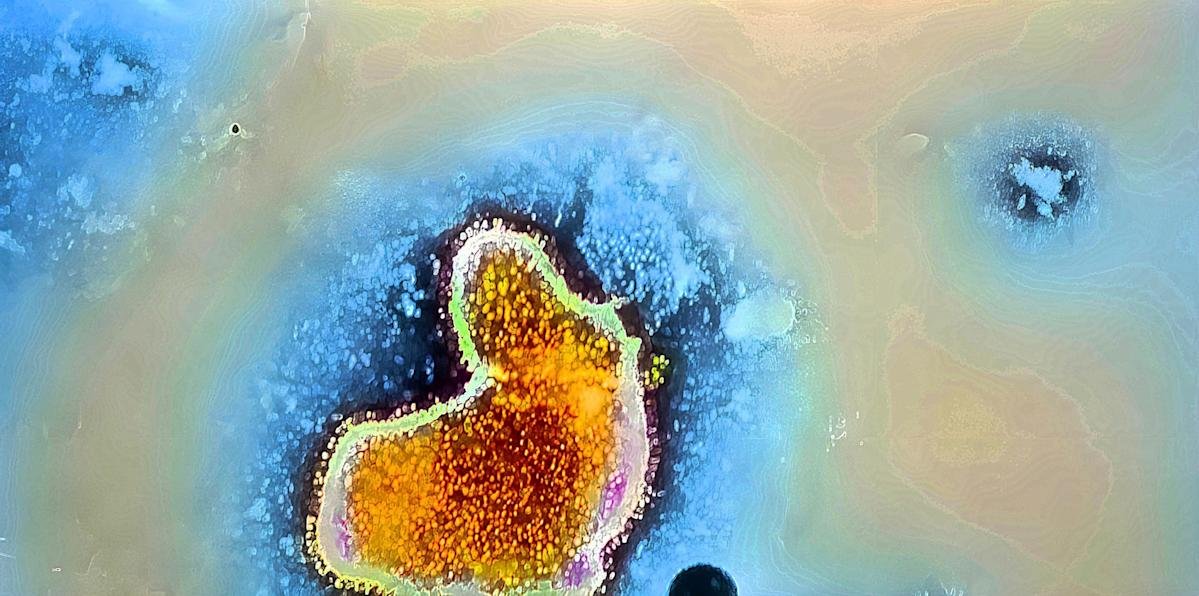
Bsip/BSIP/Universal Images Group via Getty Images – PHOTO: Naegleria fowleri
Naegleria fowleri (N. fowleri) is an amoeba, which is an organism so small it can only be seen with a microscope.
It lives in soil and freshwater ponds, lakes, rivers and hot springs, according to the CDC. It is rarely found in swimming pools, splash pads and tap water.
Most infections with N. fowleri occur when people swim in contaminated water and submerge their heads, causing the amoeba to enter the nose.
People cannot be infected if they swallow contaminated water, and they cannot spread the amoeba to others, the federal health agency said.
N. fowleri is known as a “brain-eating amoeba” because it can infect the brain, causing a disease known as PAM, according to the CDC.
PAM also can occur when people use contaminated tap water to “cleanse their noses during religious practices” or “irrigate their sinuses,” the latter of which occurred with the Texas woman in the CDC case report.
MORE: Missouri swimmer dies of rare brain-eating amoeba
Symptoms typically begin five days after exposure but can occur anywhere from one to 12 days after infection, according to the CDC.
Early symptoms resemble those of bacterial meningitis and can include headache, nausea, vomiting and fever. PAM can progress to more severe symptoms such as neck stiffness, seizures, hallucinations, altered mental state and coma.
“Some of the symptoms, especially the early symptoms — fever, headache, generally not feeling well — look like a lot of other different infections,” Widmer said. “It can look like the flu, so it may be difficult to track down without that history of exposure to lake water or water that hasn’t been properly filtered.”
PAM is almost always fatal, occurring in 97% of cases and, on average, five days after symptoms begin.
If PAM is caught early enough, it can be treated with a combination of drugs including antifungal medications, and sometimes antibiotics, the CDC said.
“There are some medications that can be given in the hospital, but there is really no medication that is considered 100% effective or even very effective at all,” Widmer said. “If you suspect you may have been exposed to an amoeba such as this … you want to get to medical treatment as soon as possible.”
Fewer than 10 people in the U.S. every year develop PAM, according to the CDC. Between 1962 and 2023, there have been 164 reported cases of PAM in the U.S. with just four survivors, the federal health agency said.
Widmer said people can lower their risk by not swimming in untreated lake water and not irrigating the nose with water that hasn’t been sterilized or distilled water. She said chlorinated water in pools is likely safe as is swimming in oceans.
