


Eating a diet rich in leafy greens, berries, and fish may help keep the brain younger for longer, with this eating pattern linked to slower shrinkage in key brain areas tied to memory and thinking, according to a new study published Tuesday in BMJ Neurology.
The study, which tracked brain changes in more than 1,600 adult participants in the Framingham Heart Study Offspring Cohort, or group, over about 12 years, found that people who closely followed the MIND diet — an acronym for Mediterranean-DASH Intervention for Neurodegenerative Delay, an eating pattern designed to protect brain health by emphasizing foods like leafy greens, berries and fish while limiting fried foods and red meat — had brains that appeared about 2.5 years younger on MRI scans than those who adhered to the diet the least.
Although the brains of all participants shrank over time, MIND dieters showed slower brain shrinkage, losing less gray matter — the tissue involved in memory and thinking — and developing fewer white matter changes linked to aging and damage to the brain’s small blood vessels and blood circulation

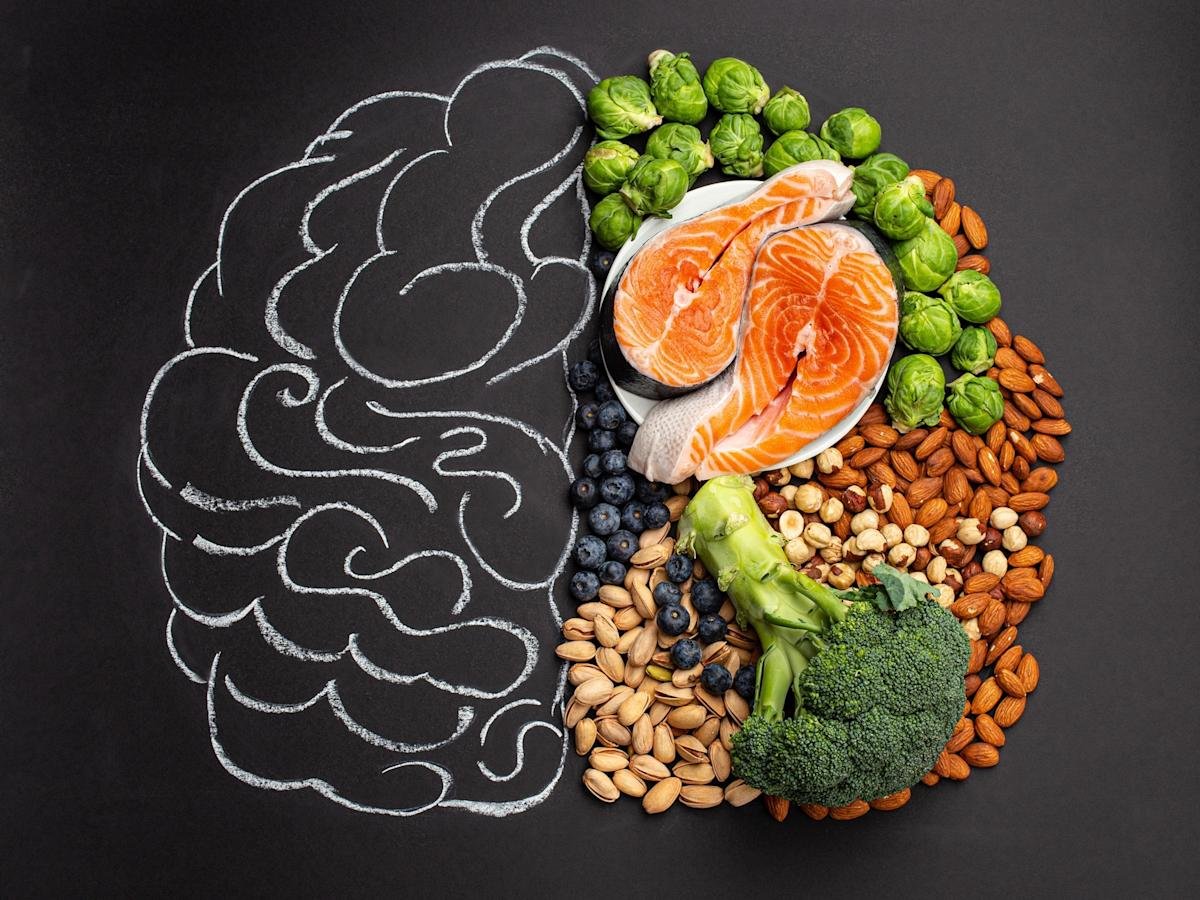
STOCK IMAGE/Getty Images – PHOTO: MIND diet ingredients on the kitchen table. Food rich in antioxidants to reduce dementia and brain failure risks. Brain-healthy dieting plan. Combination of Mediterranean and DASH diet.
“Foods recommended as part of the MIND diet like leafy greens, fatty fish, berries and olive oil have been shown to lower inflammation and oxidative stress in the body,” Liz Weinandy, an instructor of practice in medical dietetics at The Ohio State University who was not involved in the study, told ABC News.
According to Weinandy, inflammation and oxidative stress can act like “slow-burning fires” in the body that gradually damage cells and accelerate aging.
Unlike many earlier studies, researchers in the new study tracked changes in the brain over years, using repeated MRI scans rather than a single snapshot in time.
Nutrient-rich foods that may help with brain health, recipes to make at home
Some foods stood out as especially neuroprotective or detrimental. Berries and poultry, for example, were linked to healthier brain changes, while sweets and fried foods were associated with faster brain shrinkage.
“These healthy foods have been specifically noted to benefit our brain, lowering the risk of diseases like dementia and Alzheimer’s disease,” Weinandy said.
Not all of the study’s results were straightforward. Whole grains and cheeses showed inconsistent links with brain aging. Their intake was sometimes tied to brain changes that looked beneficial and sometimes with changes that did not, something researchers said will need more study.

Liliia Bila/Getty Images – PHOTO: MRI or magnetic resonance imaging of the head and brain. Close up
“Foods rarely need to be avoided entirely,” according to Weinandy, who said focusing too much on single foods can be misleading. “The short answer is to focus on the sum of all parts.”
That means everyday choices such as eating fruits and vegetables regularly and limiting ultra-processed foods may have a larger impact on health than a designated so-called “brain food,” Weinandy explained.
“Something as simple as swapping desserts for fruit or replacing ground beef with ground chicken could be an easy step,” she added.
How the DASH diet could lower risk of dementia, according to study
The MIND diet’s benefits were strongest in older adults, the study found, which the researchers suggested means that a healthy diet plays a key role in brain health later in life.
Marie-Pierre St-Onge, Ph.D., professor of nutritional medicine at New York’s Columbia University Irving Medical Center, told ABC News that this may be because the types of brain changes measured in the study tend to appear later in life.
“You don’t necessarily start to see deterioration early on in life, mostly in older age,” she said. “So it would make sense then as these types of brain changes occur that you would start to see those benefits more readily.”

STOCK IMAGE/Getty Images – PHOTO: Food for healthy brain
While foods recommended on the MIND diet may be expensive and hard to find in some areas, St-Onge said, there are ways to make brain-healthy eating more affordable.
“I think it’s useful to look at the frozen food section of the grocery store,” she said. “Because the frozen food section will have a lot of very good berries, frozen vegetables like spinach, broccoli, cauliflower that are often found readily if they’re harder to find fresh.”
She added that frozen foods can also help reduce waste: “You don’t have to worry about cleaning and cutting out the parts that are not edible,” she said.
Dr. Sumana Kondle is a resident physician completing training in preventive medicine at the Johns Hopkins Bloomberg School of Public Health and is a member of the ABC News Medical Unit.
