


WASHINGTON (AP) — The Food and Drug Administration on Tuesday approved a generic medication for a rare brain disorder, while walking back statements by President Donald Trump and other administration officials that the drug showed great promise for people with autism.
The agency said it approved leucovorin for children and adults with a genetic condition that limits delivery of folate, a form of vitamin B, to the brain. FDA officials estimate the ultrarare condition impacts fewer than 1 in a million people in the U.S.
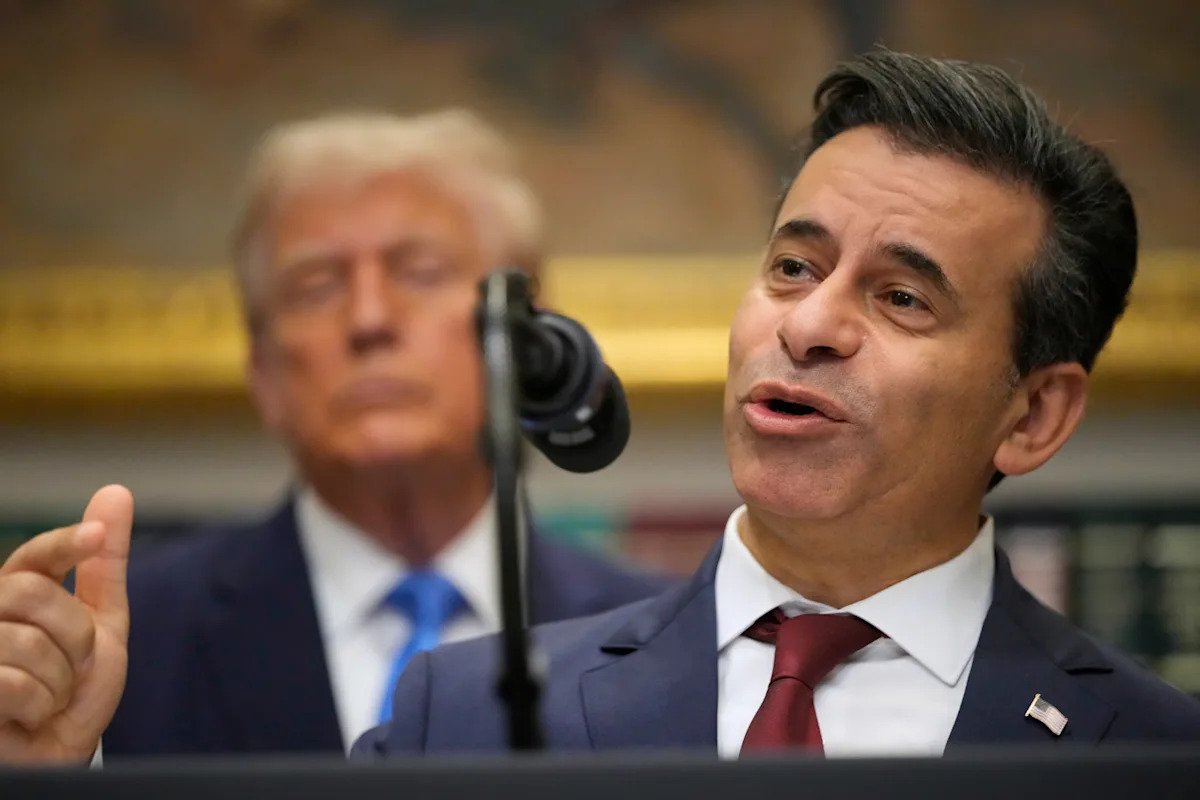
It’s a major step back from comments made at a White House news conference in September, when Trump and FDA commissioner Marty Makary announced the drug was under review to benefit patients with autism, some of whom have a form of the vitamin brain deficiency.
“It might be 20, 40, 50% of kids with autism,” Makary said at the news conference.
But senior FDA officials told reporters Monday that their review was narrowed to focus on the strongest evidence, which only supported the drug’s use by patients with the rare mutation that impacts folate levels in the brain.
The FDA officials also pointed out that one study supporting the drug’s use for autism was retracted earlier this year.
Autism researchers on Tuesday reiterated that the drug has not been shown safe or effective for the vast majority of people with the brain disorder.
“There is no evidence to say that leucovorin will help most people with autism, and there’s certainly no evidence to say it’s safe,” said Dr. Alycia Halladay of the Autism Science Foundation, in an interview.
Halladay noted there is also no established figure for how many people with autism have a form of the folate brain disorder. Some doctors diagnose the folate condition using a specialty laboratory test that isn’t FDA-approved.
The administration’s White House event touting the drug last year followed promises from Health Secretary Robert F. Kennedy Jr. to determine the cause of autism by September.
Leucovorin is a synthetic metabolite of folate, which is essential for healthy pregnancies and is recommended for women before conception and during pregnancy. The drug’s current FDA label covers leucovorin’s use in reducing side effects of certain chemotherapy drugs and treating a rare blood disorder.
Patients affected by the condition targeted by Tuesday’s approval experience movement disorders, seizures and other neurological problems that can resemble symptoms of autism.
But professional medical societies say it’s far from clear whether the drug helps people with autism.
The American Academy of Pediatrics doesn’t recommend routine use of leucovorin for autistic children, including those with the brain condition known as cerebral folate deficiency.
Unresolved questions about the drug haven’t stopped U.S. doctors from prescribing it.
A paper published in The Lancet last week found that leucovorin prescriptions for children aged 5 to 17 were 71% higher than normal in the three months immediately following Trump’s late September news conference.
“We’ve seen huge increases in leucovorin prescriptions for autism because of the initial premature and ill-informed announcement that it can treat autism symptoms,” said David Mandell, an autism expert at the University of Pennsylvania. ”Now families are experiencing whiplash about what constitutes best practice for their children.”
Some families of children with autism have reported trouble getting prescriptions filled in recent weeks.
FDA officials told reporters the agency is allowing imports of the drug by foreign drugmakers to help boost supply. The drug’s original manufacturer, GSK, does not plan to relaunch its version of the drug.
Halladay, of the Autism Science Foundation, cautioned parents against seeking out the drug, noting reports of side effects including irritability, aggression and hyperactivity when used in people with autism.
“If parents are insistent on trying this they should know that it may cause harm and it may do no good,” she said.
Trump officials originally decided to review the drug after speaking with an Arizona-based neurologist who prescribes the drug for autism patients and runs an online education business focused on the experimental treatment.
The theory behind the drug’s use is that some people with autism have specific antibodies that block folate from entering the brain. But the Autism Science Foundation and other groups note that non-autistic relatives of people with the disorder often have the same antibodies, suggesting they’re not a factor in the condition.
While there is no single cause behind autism, most researchers say science points to genetic and environmental factors as playing a role.
___
The Associated Press Health and Science Department receives support from the Howard Hughes Medical Institute’s Science and Educational Media Group and the Robert Wood Johnson Foundation. The AP is solely responsible for all content.
