


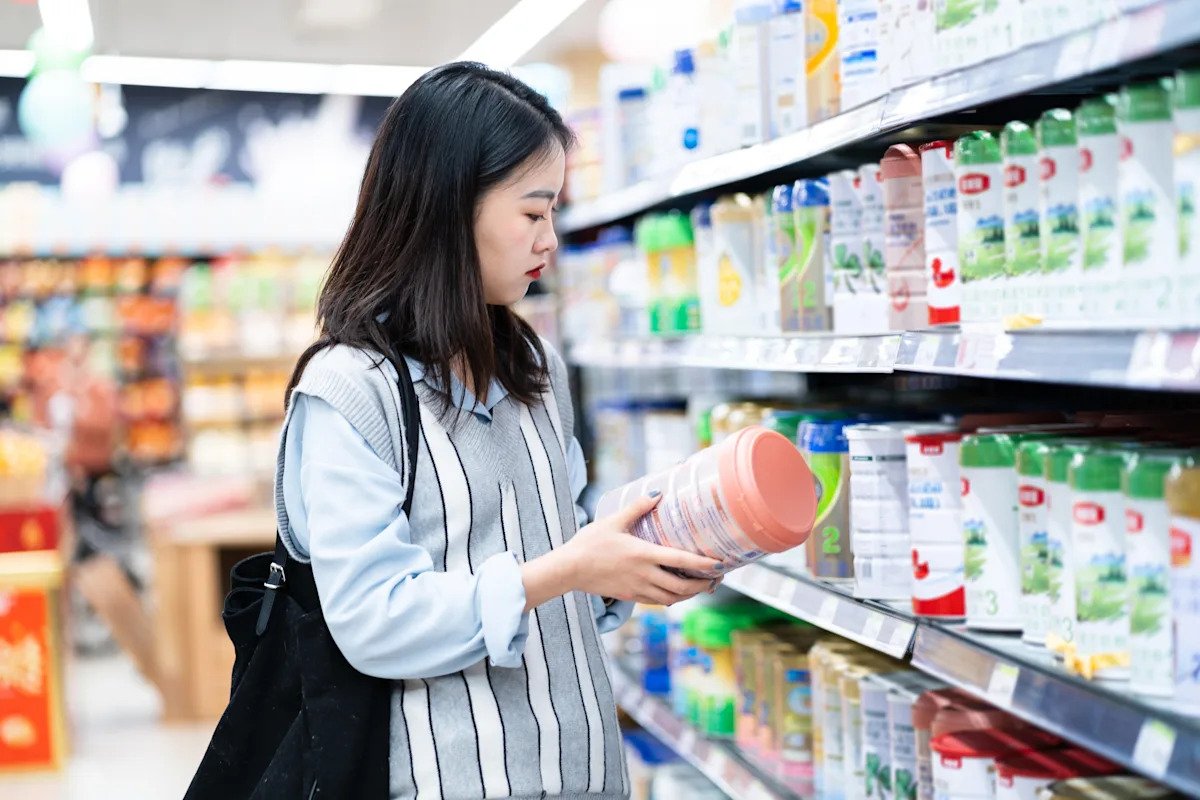
Some popular baby formula brands contain heavy metals, including arsenic, lead and PFAS, or “forever” chemicals, according to a new report from Consumer Reports.
The nonprofit consumer advocacy organization found that more than half of the 49 powdered, liquid, and alternative protein and hypoallergenic formulas it tested contained “potentially concerning levels” of harmful contaminants.
“Repeated exposure to these contaminants can lead to negative health consequences for babies, especially because they are so small and all of their organ systems are still developing,” Sana Mujahid, Consumer Reports’ manager of food safety research and testing, told CBS News. “And sometimes, this isn’t their only source of exposure to these contaminants, which can also come from water.”
While the market for infant formula is regulated, such products don’t always “escape the effects of environmental pollution or process contamination,” Consumer Reports said. There are also no limits on the levels of contaminants allowed in baby formulas in the U.S., while manufacturers aren’t required to test formula for their presence.
Consumer Reports noted that the formulas it tested “are safe to feed your baby,” even if it detected low levels of contaminants. “We used the most protective levels available to assess the potential health risks of these contaminants, because we want parents to be empowered by information to make the best choices possible for this first food of a baby’s life,” the group said.
In an investigation last year, Consumer Reports found lead and arsenic in a number of powdered infant formulas. At the time, government food regulators pledged to increase oversight and testing of such products.
Safe brands available
Consumer Reports found that, among the 23 liquid baby formulas it evaluated, eight were either free of any heavy metals or contained low levels.
“Fortunately, the results of our tests show that there are still many safe, inexpensive options for parents on the market today,” Consumer Reports said, noting that many such products are available through subsidized programs like the Special Supplemental Nutrition Program for Women, Infants and Children.
About half of all baby formula purchased in the U.S. is made by two companies, Abbott Nutrition and Mead Johnson, Consumer Reports noted. Perrigo also makes many store-brand formulas.
Abbott and Mead Johnson challenged Consumer Reports’ findings, saying that trace levels of heavy metals occur naturally in the environment and throughout the food supply.
“Abbott’s infant formulas are safe, and parents can use them confidently,” a company spokesperson told Consumer Reports, adding that its infant formulas sold in the U.S. comply with heavy metal regulations in the EU and Canada.
An Abbott spokesperson told CBS News that is infant formulas are “safe and parents can use them confidently.” They added that all Abbott formulas, including those sold in the U.S., meet the European Commission’s heavy metal regulations, which are the most stringent in the world. They also meet requirements set by the FDA and Canada’s federal health department.
Mead Johnson told the publication it employs “stringent testing protocols” and takes steps to “reduce the levels of unintended materials in our products, which meet all safety and quality standards set by U.S. and global regulatory bodies.”
A spokesperson for Mead Johnson told CBS News in a statement Tuesday that its infant formulas “have consistently met or outperformed U.S. and global regulatory standards, including the rigorous EU regulatory limits for heavy metals.” The company also pointed to Consumer Reports’ assertion that all formulas in the test are safe for babies.
The other companies didn’t immediately respond to a request for comment from CBS News.
The Infant Nutrition Council of America, an association of manufacturers including Abbott, Perrigo and Reckitt, responded to the report on Tuesday, acknowledging the absence of FDA limits for heavy metals.
“INCA looks forward to the FDA setting science-based limits that help guide parents and healthcare providers in their infant feeding decisions and uphold the highest standards of infant nutrition,” the group said.
Bill to tighten federal rules
Mujahid encouraged parents to speak with their child’s pediatrician about the formula they use and discuss any concerns. Consumer Reports also advises parents not to make their own formula and to ensure they use clean water when mixing powdered formula.
A bill introduced by Sen. Gary Peters of Michigan last year, the Protect Infant Formula from Contamination Act, would require infant formula makers to notify the Food and Drug Administration within one business day of discovering contamination, misbranding or adulteration of infant formula. The measure passed the Senate Health, Education, Labor and Pensions Committee in January.
Watch: Kristi Noem’s opening statement at Senate Judiciary Committee on DHS
Key details on Iran war on Day 4 of conflict
New poll shows how Democrats and Republicans feel ahead of the 2026 midterm elections
