

Close Menu
  • Home
  • AI
  • Education
  • Entertainment
  • Food Health
  • Health
  • Sports
  • Tech
  • Well Being

Subscribe to Updates

Subscribe to our newsletter and never miss our latest news

Subscribe my Newsletter for New Posts & tips Let's stay updated!

What's Hot

Study Reveals Processed Foods Cause Overeating and Slow Fat Loss

February 11, 2026

Who will own your company’s AI layer? Glean’s CEO explains

February 11, 2026

Studies test whether gene-editing can fix high cholesterol. For now, take your medicine

February 11, 2026
Facebook X (Twitter) Instagram
  • Home
  • About Us
  • Advertise With Us
  • Contact us
  • DMCA
  • Privacy Policy
  • Terms & Conditions
Facebook X (Twitter) Instagram
IQ Times Media – Smart News for a Smarter YouIQ Times Media – Smart News for a Smarter You
  • Home
  • AI
  • Education
  • Entertainment
  • Food Health
  • Health
  • Sports
  • Tech
  • Well Being
IQ Times Media – Smart News for a Smarter YouIQ Times Media – Smart News for a Smarter You
Home » Reducing salt in processed foods could lower rates of high blood pressure: Study
Health

Reducing salt in processed foods could lower rates of high blood pressure: Study

IQ TIMES MEDIABy IQ TIMES MEDIAJanuary 26, 2026No Comments3 Mins Read
Facebook Twitter Pinterest LinkedIn Tumblr Email
Share
Facebook Twitter LinkedIn Pinterest Email


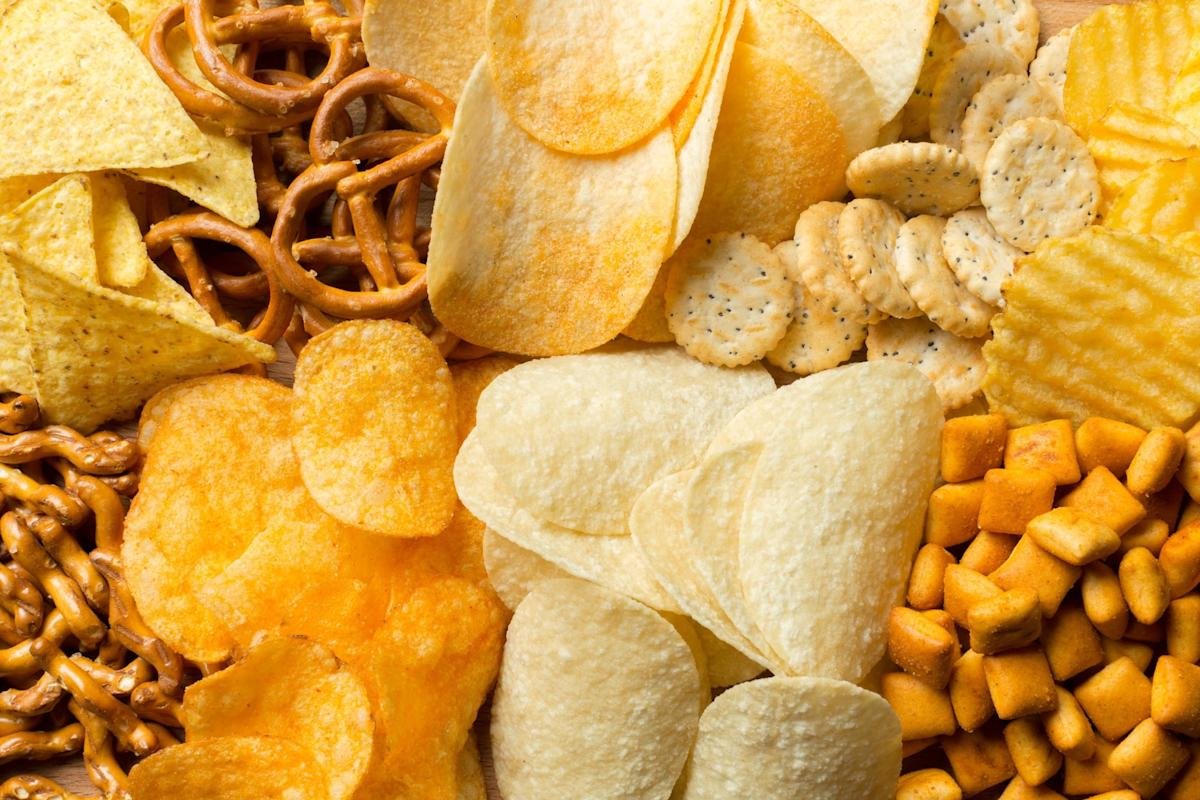
Reducing the sodium in pre-packaged and prepared foods may prevent thousands of cases of heart disease, stroke and death, according to two new studies.

The studies, published early Monday in the journal Hypertension, took place in France and the United Kingdom, countries where food giants have subtly reduced salt levels in store-bought foods.

Using national diet and health data, researchers in France estimated that modest decreases in bread salt content could cut adults’ daily salt intake by 0.35 grams, lower their blood pressure and prevent more than 1,100 deaths.

Researchers from the U.K. estimated that similar salt reductions in packaged foods and takeout meals could lower daily British sodium intake by 17.5%, preventing more than 100,000 cases of heart disease and 25,000 cases of stroke over 20 years.

MORE: Federal dietary guidance says eat less ‘highly processed’ foods. But what does that mean?

Sodium plays important health roles, like helping blood vessels hold water. However, about 90% of Americans consume too much of it, according to the American Heart Association. Excessive sodium raises the risk of high blood pressure, a risk factor for issues such as cardiovascular disease, long-term kidney disease and cognitive decline.

In the United States, most sodium intake comes from foods prepared outside the home, experts say. “Americans on average get about 75% of their food from processed food of some kind—either processed foods from grocery stores, or foods that are bought at restaurants or fast-food restaurants,” Dr. Daniel Jones, professor and dean emeritus at the University of Mississippi School of Medicine and chair of the 2025 American Heart Association/American College of Cardiology Blood Pressure Guideline, told ABC News. Manufacturers often add salt to processed foods in order to prolong shelf life and enhance flavor. Minimal cuts in salt, which the researchers said would not greatly affect taste, may have a significant health impact. American adults consume on average 3,500 milligrams of sodium daily, well above the AHA-recommended limit of 2,300 mg, or a tablespoon of salt, said Dr. Latha Palaniappan, associate dean for research at Stanford University School of Medicine. The daily limit for those with high blood pressure is even lower at 1,500 mg.

While processed foods may be difficult to entirely avoid, experts say cutting back on them may lead to meaningful health benefits.

“One of the things I advise my patients about is to shop as much as they can on the periphery of the grocery store. That’s generally where fresh foods are,” Jones said. Natural whole foods, like fresh produce, are especially healthy. “I tell my patients to eat foods with peels, not packages, to lower their overall intake of sodium,” Palaniappan said. “Read labels, be cautious with packaged foods, and prioritize fresh, minimally processed foods.”

Richard Zhang, MD, MA, is a child and adolescent psychiatry fellow at Yale School of Medicine and a member of the ABC News Medical Unit.


Source link

Share. Facebook Twitter Pinterest LinkedIn Tumblr Email
IQ TIMES MEDIA
  • Website

Related Posts

Studies test whether gene-editing can fix high cholesterol. For now, take your medicine

February 11, 2026

Man arrested in Atlanta airport carrying 42 pounds of marijuana in bag

February 11, 2026

Researchers discover how severe flu damages the heart

February 11, 2026
Add A Comment
Leave A Reply Cancel Reply

Editors Picks

Yale suspends professor from teaching while reviewing his correspondence with Epstein

February 11, 2026

Gov. Gretchen Whitmer signs classroom smartphone ban for Michigan schools

February 11, 2026

Gunman apprehended in southern Thailand after holding students and teachers hostage in school

February 11, 2026

Senegal youth say hope for change ends with protester death

February 11, 2026
Education

Yale suspends professor from teaching while reviewing his correspondence with Epstein

By IQ TIMES MEDIAFebruary 11, 20260

Yale University says a prominent computer science professor will not teach classes while it reviews…

Gov. Gretchen Whitmer signs classroom smartphone ban for Michigan schools

February 11, 2026

Gunman apprehended in southern Thailand after holding students and teachers hostage in school

February 11, 2026

Senegal youth say hope for change ends with protester death

February 11, 2026
IQ Times Media – Smart News for a Smarter You
Facebook X (Twitter) Instagram Pinterest Vimeo YouTube
  • Home
  • About Us
  • Advertise With Us
  • Contact us
  • DMCA
  • Privacy Policy
  • Terms & Conditions
© 2026 iqtimes. Designed by iqtimes.

Type above and press Enter to search. Press Esc to cancel.