


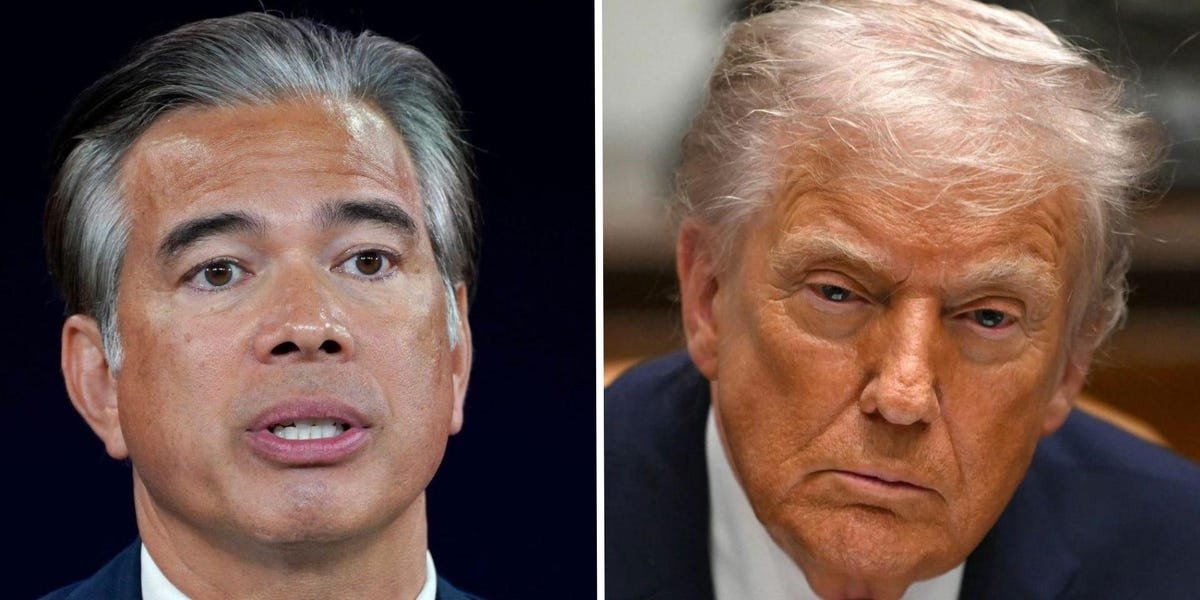
California Attorney General Rob Bonta is leading a 20-state coalition suing the Trump administration over its new $100,000 fee on H-1B visa petitions. The states say the policy is unlawful and threatens aspects of the public sector that depend on skilled foreign workers.
The states plan to file the suit on Friday.
The lawsuit argues the Department of Homeland Security imposed the fee outside the bounds of congressional authority and skipped required notice-and-comment procedures, according to a press release from Bonta’s office. The states say the fee — more than 10 times the existing typical H-1B fees — would strain schools, universities, and hospitals that rely on H-1B workers.
Trump signed the executive order on September 19, adding a $100,000 fee for new petitions. DHS has broad discretion to decide which applications are subject to it. The states argue that the rule could be enforced selectively.
The H-1B program allows employers to hire high-skilled workers, including engineers, researchers, doctors, and teachers, from abroad. Many government and nonprofit employers are exempt from the program’s annual cap, but they are not exempt from the new fee, according to Bonta’s office. California officials warned in a press release about the lawsuit that the change will make it harder to recruit teachers and clinicians as shortages deepen nationwide.
The lawsuit adds to growing legal pressure on the administration. The US Chamber of Commerce and a coalition of unions, nonprofits, and a healthcare staffing firm have each filed separate challenges, calling the fee “draconian,” “extortionate,” and a violation of the Constitution’s assignment of taxing authority to Congress.
The administration defended the rule in a statement to Business Insider.
“President Trump promised to put American workers first, and his commonsense action on H-1B visas does just that by discouraging companies from spamming the system and driving down American wages, while providing certainty to employers who need to bring the best talent from overseas,” White House spokesperson Taylor Rogers said.
Joining California in the suit are Arizona, Colorado, Connecticut, Delaware, Hawaii, Illinois, Maryland, Massachusetts, Michigan, Minnesota, Nevada, North Carolina, New Jersey, New York, Oregon, Rhode Island, Vermont, Washington, and Wisconsin.
The executive order has also fueled uncertainty in Silicon Valley. Companies including Amazon, Microsoft, Meta, and Apple rely heavily on H-1B hires. Tech firms sponsor tens of thousands of workers each year, and some leaders said the change could push jobs abroad.
The legal challenge comes as the administration expands digital vetting for H-1B applicants. Starting December 15, the State Department will require applicants to make their social-media profiles public for review.
This story was written using Business Insider’s AI tools and edited by a Business Insider editor.
