

Close Menu
  • Home
  • AI
  • Education
  • Entertainment
  • Food Health
  • Health
  • Sports
  • Tech
  • Well Being

Subscribe to Updates

Subscribe to our newsletter and never miss our latest news

Subscribe my Newsletter for New Posts & tips Let's stay updated!

What's Hot

Apple Watch SE 3 Review

February 20, 2026

InScope nabs $14.5M to solve the pain of financial reporting

February 20, 2026

Great news for xAI: Grok is now pretty good at answering questions about Baldur’s Gate

February 20, 2026
Facebook X (Twitter) Instagram
  • Home
  • About Us
  • Advertise With Us
  • Contact us
  • DMCA
  • Privacy Policy
  • Terms & Conditions
Facebook X (Twitter) Instagram
IQ Times Media – Smart News for a Smarter YouIQ Times Media – Smart News for a Smarter You
  • Home
  • AI
  • Education
  • Entertainment
  • Food Health
  • Health
  • Sports
  • Tech
  • Well Being
IQ Times Media – Smart News for a Smarter YouIQ Times Media – Smart News for a Smarter You
Home » Judge to explain why he’s approving Purdue Pharma settlement plan, which calls for $7B from Sacklers
Health

Judge to explain why he’s approving Purdue Pharma settlement plan, which calls for $7B from Sacklers

IQ TIMES MEDIABy IQ TIMES MEDIANovember 18, 2025No Comments3 Mins Read
Facebook Twitter Pinterest LinkedIn Tumblr Email
Share
Facebook Twitter LinkedIn Pinterest Email


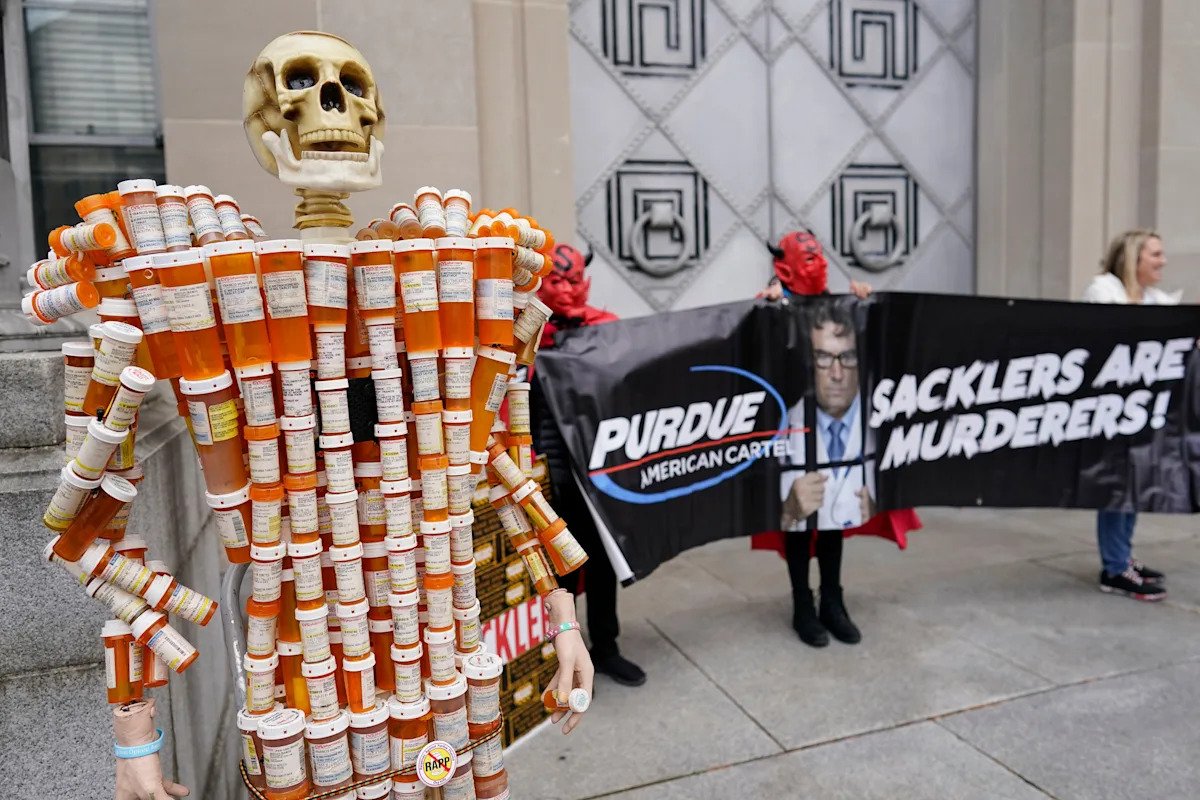
A U.S. Bankruptcy Court judge is set to give his reasoning Tuesday for approving OxyContin maker Purdue Pharma’s plan to settle thousands of lawsuits over the toll of opioids.

The deal calls for members of the Sackler family who own the company to pay up to $7 billion over time.

Judge Sean Lane said last week that he would accept the plan, which ranks among the largest opioid settlements ever and would do something other major ones don’t: Pay some victims of the crisis.

Money will go to governments and some individuals

Sackler family members agreed to pay up to $7 billion over 15 years, providing most of the cash involved in the settlement.

The funds distributed to state, local and Native Americans is to be used mostly to address the opioid crisis, as has been the case with other opioid settlements.

About $850 million of that is to go to individual victims, including children born with opioid withdrawal.

People with addiction and survivors of those who died must prove they were prescribed OxyContin to participate. Those who do could receive payments of around $8,000 or around $16,000, depending on how long they received the drug and how many other people qualify. The money for individual victims is to be distributed next year.

Not only money is at stake

Members of the Sackler family are agreeing to give up ownership of Purdue.

For them, that won’t be a major change since no family member has served on Purdue’ board or received money from the company since 2018. The plan calls for Purdue to be replaced with a new company, Knoa Pharma, to be controlled by a board appointed by states and with a mission of benefiting the public.

Sackler family members are also agreeing not to have their name put on institutions in exchange for contributions — something they’ve done often in the past, though many institutions have cut ties with them.

The company has also agreed to make public a trove of internal documents that could shed additional light into how the company promoted and monitored opioids.

One feature that won’t be repeated under this new deal that was in a previous one: forcing members of the Sackler family to hear directly from people harmed by OxyContin.

A long legal saga could be wrapping up

Purdue filed for bankruptcy protection in 2019 when it was facing thousands of opioid-related lawsuits from state and local governments and others.

A judge approved a settlement two years later. But the U.S. Supreme Court later rejected that plan because it gave members of the Sackler family protection from lawsuits over opioids even though they were not personally declaring bankruptcy.

The latest plan allows lawsuits against Sackler family members by those who don’t opt into the deal.

This time through, few parties objected to the settlement, though some people who represented themselves and who were addicted to opioids — or had loved ones who were — raised concerns during the three-day confirmation hearing last week.


Source link

Share. Facebook Twitter Pinterest LinkedIn Tumblr Email
IQ TIMES MEDIA
  • Website

Related Posts

US nears 1,000 measles cases with infections confirmed in 26 states, CDC data shows

February 20, 2026

What is ALS, the disease that killed actor Eric Dane?

February 20, 2026

Mississippi hospital system closes all clinics after ransomware attack

February 20, 2026
Add A Comment
Leave A Reply Cancel Reply

Editors Picks

Kentucky Supreme Court rules charter school funding unconstitutional

February 19, 2026

Students in Savannah grieve teacher killed in crash with driver pursued by ICE

February 19, 2026

New Mexico enshrines universal child care program into law

February 19, 2026

Colleges cut ties with PhD Project after Trump administration pressure

February 19, 2026
Education

Kentucky Supreme Court rules charter school funding unconstitutional

By IQ TIMES MEDIAFebruary 19, 20260

LOUISVILLE, Ky. (AP) — The Kentucky Supreme Court ruled Thursday that a measure establishing public…

Students in Savannah grieve teacher killed in crash with driver pursued by ICE

February 19, 2026

New Mexico enshrines universal child care program into law

February 19, 2026

Colleges cut ties with PhD Project after Trump administration pressure

February 19, 2026
IQ Times Media – Smart News for a Smarter You
Facebook X (Twitter) Instagram Pinterest Vimeo YouTube
  • Home
  • About Us
  • Advertise With Us
  • Contact us
  • DMCA
  • Privacy Policy
  • Terms & Conditions
© 2026 iqtimes. Designed by iqtimes.

Type above and press Enter to search. Press Esc to cancel.