


(Corrects ‘infection’ to ‘disease’ in paragraph 5 to clarify what the inactivated polio vaccine protects against, whether dosed fully or fractionally)
By Jennifer Rigby
LONDON (Reuters) -Eradicating polio is still possible despite significant funding cuts, global health officials said on Tuesday as they outlined how they will cope with the shortfall.
The budget of the Global Polio Eradication Initiative, a partnership including the World Health Organization and the Gates Foundation, will take a 30% cut in 2026 and has a $1.7 billion funding gap up to 2029, the organisation says.
The shortfall is largely driven by a global pullback from foreign aid, led by the United States – which is also withdrawing from the WHO – although its future funding for polio is not yet finalised. Other wealthy donor governments like Germany and the United Kingdom have made cuts, a spokesperson said.
In response, the GPEI partners say they plan to focus more on surveillance and vaccination in areas where there is a high risk of polio transmission.
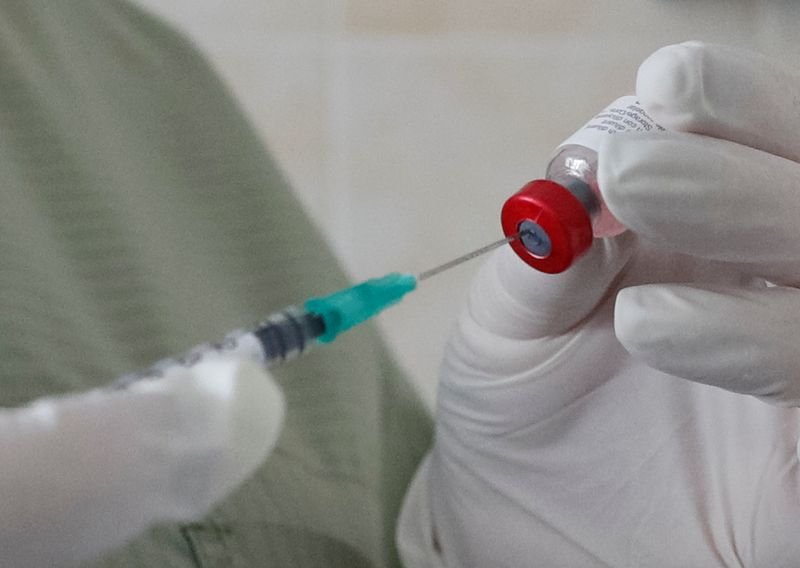
The GPEI will also collaborate more with other global health programmes like measles campaigns, and use strategies like fractional dosing – where as little as a fifth of a vaccine dose is used to stretch out supplies and cut costs, as studies have shown this still protects children from disease.
SOME ACTIVITIES WILL STOP
The partnership will reduce its work in lower-risk areas, unless there are outbreaks, as well as focusing on efficiencies.
“The significant reductions in funding… mean that certain activities will simply not happen,” said Jamal Ahmed, WHO director of polio eradication in a press conference on Tuesday.
Wiping out the paralysis-causing viral disease has been a global health aim for decades. Despite significant progress due to mass vaccination since 1988, ending the disease has proved challenging: the first missed deadline for doing so was in 2000.
Some infectious disease experts have questioned whether it is possible to eradicate the disease, which often causes no symptoms, making it harder to track the spread. Advocates say that it would be foolhardy to stop when the world is so close, despite challenges like conflict and vaccine hesitancy.
“Eradication remains feasible and is doable,” said Ahmed. “We need everybody to remain committed and ensure that no child is left behind.”
In 2025, there have been 36 cases of wild polio in Afghanistan and Pakistan, the two countries where it remains endemic and where essential activities will continue, the GPEI said.
There have been 149 cases of the vaccine-derived form of the virus this year in countries including Nigeria. Cases of both forms have fallen since 2024.
Vaccine-derived polio can occur when children are immunised with a vaccine containing a weakened version of the live virus. They are protected, but the virus excreted by these children can spread and mutate among an unvaccinated population.
(Reporting by Jennifer RigbyEditing by Ros Russell)
