


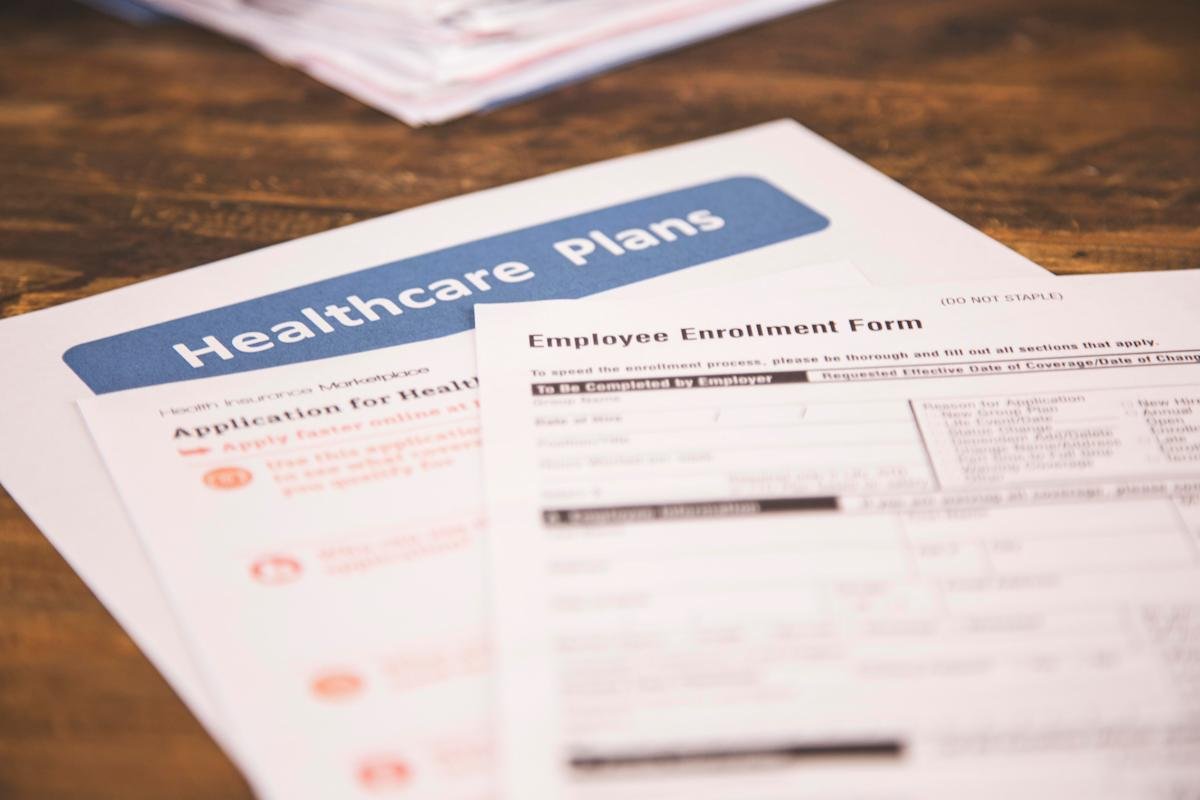
Open enrollment — the annual window when employees can adjust their benefits — may deliver sticker shock this year. Workers are likely to pay between 6% to 7% more for their 2026 employer-sponsored health insurance, more than double the current rate of inflation, according to a new analysis from consultant Mercer.
That means employees could pay about $2,400 next year for single coverage in an employer-provided preferred provider organization, or PPO, the most common type of medical plan, Mercer said. Families would likely face paycheck deductions of $8,900 a year for their coverage, according to the group, whose projections are based on a survey of more than 1,700 employers.
More working-age Americans receive health insurance through their employers than any other source, with about 60% — or 164.7 million people — covered by their workplaces, according to KFF.
Companies, which typically pick up the bulk of their employees’ health insurance costs, are likely to spend more than $18,000 on average to insure each worker in 2026, Mercer told CBS News. Workers typically shoulder between 16% to 25% of the total, depending on whether they are receiving single or family coverage, according to KFF’s 2024 employer health benefits survey.
The findings come as American households continue to feel squeezed by rising prices, with inflation inching higher this year on everything from groceries to housing. The jump in health insurance costs are partly due to an aging workforce that’s tapping more medical services, as well as increased demand for costly treatments such as the GLP-1 drugs used for weight loss, Mercer Chief Actuary Sunit Patel said.
Employees “might also see an increase in the cost-sharing provisions in the design as well — higher co-pays, higher deductibles — so it’s getting hit on both ends,” Beth Umland, director of research for health and benefits at Mercer, told CBS News.
Employees who receive their health insurance through their employers will soon learn their new costs when open enrollment begins, which typically runs for several weeks in the fall but varies by company.
Health care prices aren’t likely to ease soon, Patel added, pointing to higher provider wages, inflation in medical goods, and an older workforce, as ongoing pressures. “We think costs are pretty sticky right now,” he said.
Financial squeeze
Americans pay double what residents in other developed nations pay for health care, even though outcomes in the U.S. are worse than those in other countries, the Peter G. Peterson Foundation noted in an August analysis.
