


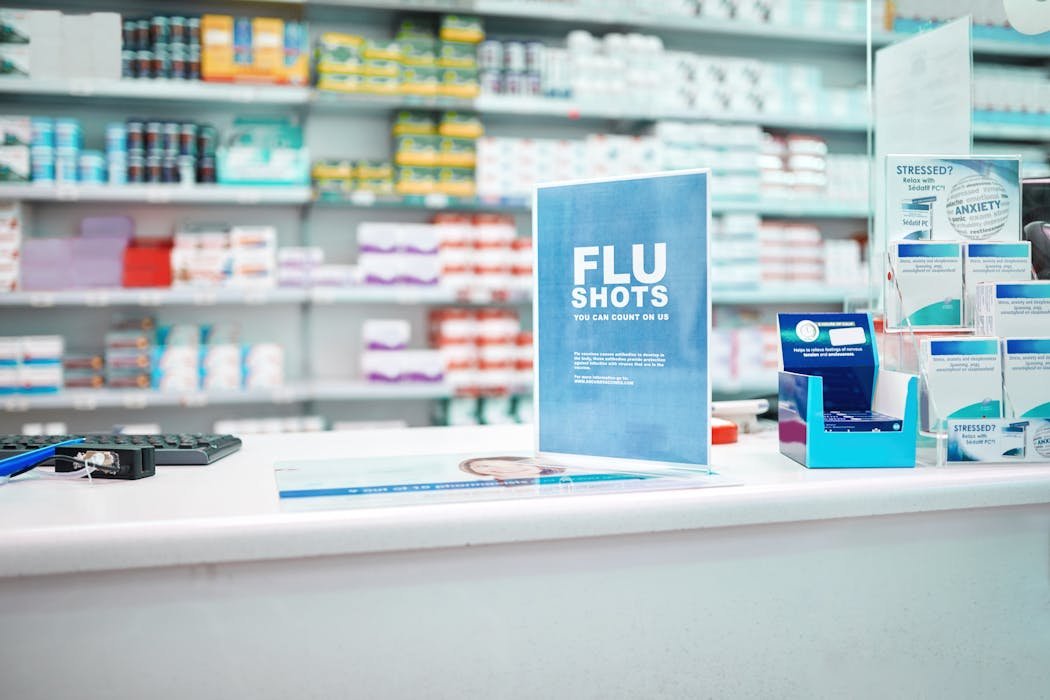
As the autumn’s cool weather settles in, so does flu season – bringing with it the familiar experiences of sniffles, fever and cough.
Every year, influenza – the flu – affects millions of people. Most will experience the infection as a mild to moderate illness – but for some, it can be severe, potentially resulting in hospitalization and even death.
While the start of flu season may feel routine, it’s important to remember that the virus changes every year, making annual vaccination an important part of staying healthy.
What to expect this flu season
Public health experts are closely watching how this year’s flu season unfolds. Early reports suggest that the U.S. may see a moderate level of flu cases, partly because last year’s flu activity was high and it’s uncommon to have two severe flu seasons in a row.
However, the U.S. also uses data from the Southern Hemisphere’s earlier flu season, which lasts from April to October, to help predict what the season might look like. There, the flu season has been more severe than in years past.
Taken together, that means there could be a significant number of flu cases in the U.S., particularly among children, older adults and those with chronic health conditions.
Each year, the flu vaccine is updated to best match the strains of influenza expected to circulate. Because flu viruses mutate frequently, the effectiveness of the flu vaccine can vary each year. However, even when the match between the seasonal flu and the vaccine that is designed around it isn’t perfect, vaccination remains the best protection against severe illness.
In the U.S., all flu vaccines for the 2025-2026 season will be trivalent – which means they are formulated to protect against the three main groups of influenza virus strains. These are an A (H1N1) virus, an A (H3N2) virus and a B/Victoria virus.

Vaccine availability
Recent vaccine policy changes have created some confusion, particularly around COVID-19 vaccines. Many people are wondering if getting the flu vaccine has become more complicated. The good news is that flu vaccines remain widely available and accessible. Pharmacies, doctors’ offices, public health clinics and many workplaces are offering the seasonal shot, often at little or no cost.
The 2025-2026 flu vaccine is available now. Manufacturers start shipping vaccines doses in July and August to ensure access by September. While public health experts won’t know the exact effectiveness of the flu vaccine until flu season is over, the flu shot usually cuts your chances of needing to see a doctor for the flu by about half.
Vaccination helps reduce the severity of illness, the likelihood of hospitalization and the spread of infection within our communities.
It’s important to note that you can get the flu shot at the same time as other vaccines, such as the COVID-19 vaccine or the RSV and pneumonia vaccines for older adults, without compromising effectiveness. If you’re unsure which vaccines are right for you, your health care provider or pharmacist can help you decide based on your age and health status.
Who should get the flu shot
The Centers for Disease Control and Prevention recommends that everyone 6 months and older receive the flu vaccine each year, with rare exceptions. That aligns with guidelines from other organizations, such as the American Association of Pediatrics.
The flu vaccine is especially important for:
• Adults 65 and older
• Children under 5 – and particularly those under 2
• Pregnant people
• People with chronic conditions such as asthma, diabetes or heart disease
• Health care workers and caregivers
Even if you’re healthy and rarely get sick, getting vaccinated protects not only you but also those around you who may be more vulnerable.
Practical prevention tips
In addition to vaccination, everyday actions help reduce the spread of flu and other respiratory viruses:
• Wash your hands frequently with soap and water.
• Cover your coughs and sneezes.
• Stay home if you’re feeling unwell.
• Consider wearing a mask in crowded indoor spaces during peak flu activity, particularly if you have a cough.
Even though flu season is part of life, serious illness doesn’t have to be. By staying informed, getting vaccinated and practicing healthy habits, everyone can play a role in keeping their communities safe and healthy.
If you haven’t gotten your flu shot yet, now’s the time to protect yourself, and those you care for, this flu season.
This article is republished from The Conversation, a nonprofit, independent news organization bringing you facts and trustworthy analysis to help you make sense of our complex world. It was written by: Libby Richards, Purdue University
Read more:
Libby Richards has received funding from the American Nurses Foundation, National Institutes of Health, and the Indiana Clinical and Translational Sciences Institute .
