


At ease, Hollywood.
OpenAI may be changing its tune about the use of copyright materials in its video-generation tool, Sora.
Since launching earlier this week, the new Sora 2 app — which allows users to generate short AI videos from text prompts — has been flooded with clips featuring well-known animated characters and big brands, sparking warnings from legal experts over potential copyright lawsuits.
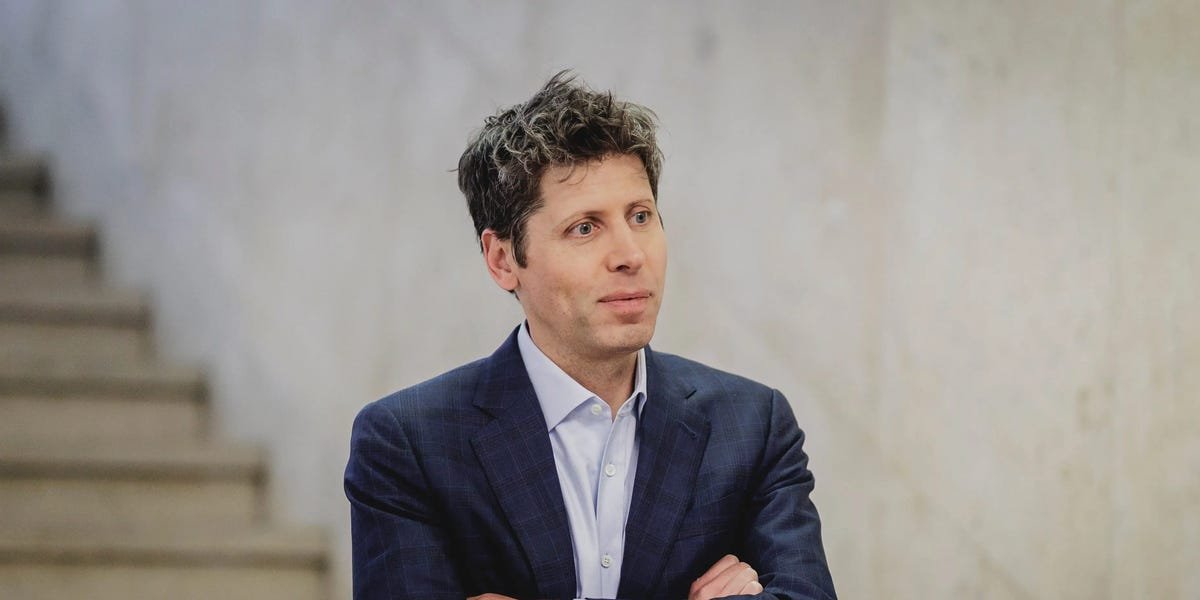
OpenAI CEO Sam Altman has now outlined changes that would give rights holders more control over the use of their intellectual property on the platform, which was the No. 1 free app on the Apple App Store on Friday.
In a blog post, Altman said the company had been “taking feedback” from rights holders and that it would now provide them with “more granular control over generation of characters, similar to the opt-in model for likeness but with additional controls.”
“We are hearing from a lot of rightsholders who are very excited for this new kind of ‘interactive fan fiction’ and think this new kind of engagement will accrue a lot of value to them, but want the ability to specify how their characters can be used (including not at all),” he wrote.
Altman added that OpenAI would also need to “somehow make money for video generation.”
“We are going to try sharing some of this revenue with rightsholders who want their characters generated by users,” he wrote.
The Wall Street Journal reported earlier this week that OpenAI had been advising studios and talent agencies that rightsholders would have to opt out if they did not want their copyright material to appear in videos produced by Sora.
The “opt-out” model would mean intellectual property owners such as film studios would have to explicitly ask the ChatGPT maker not to include their characters in clips produced on the platform, the report said.
Related stories

Business Insider tells the innovative stories you want to know
Business Insider tells the innovative stories you want to know
Business Insider’s Peter Kafka wrote earlier this week that the “laborious” opt-out method for Sora is a questionable interpretation of current copyright law.
“All of which means OpenAI seems to be trying to rewrite copyright law, on the fly: Your stuff is our stuff, for free — unless you tell us otherwise,” Kafka wrote.
This isn’t the first time Altman and OpenAI have butted heads with artists.
In 2024, actor Scarlett Johansson said she was “shocked” and “angered” after the company released a voice for a new chatbot model that sounded “eerily similar” to her own.
Johansson said she had previously declined an offer from Altman to voice ChatGPT. In a statement at the time, Altman said the voice was “not Scarlett Johansson’s, and it was never intended to resemble hers.”
OpenAI faced more copyright scrutiny this year after introducing a feature in ChatGPT that allowed users to create images in the style of Studio Ghibli.
Users once again bombarded the platform with requests for “Ghiblified” images, igniting a fierce debate over whether OpenAI was unfairly using the work of Studio Ghibli cofounder Hayao Miyazaki.
OpenAI is also facing copyright lawsuits from several prominent media outlets and authors, including The New York Times, George RR Martin, and John Grisham.
