


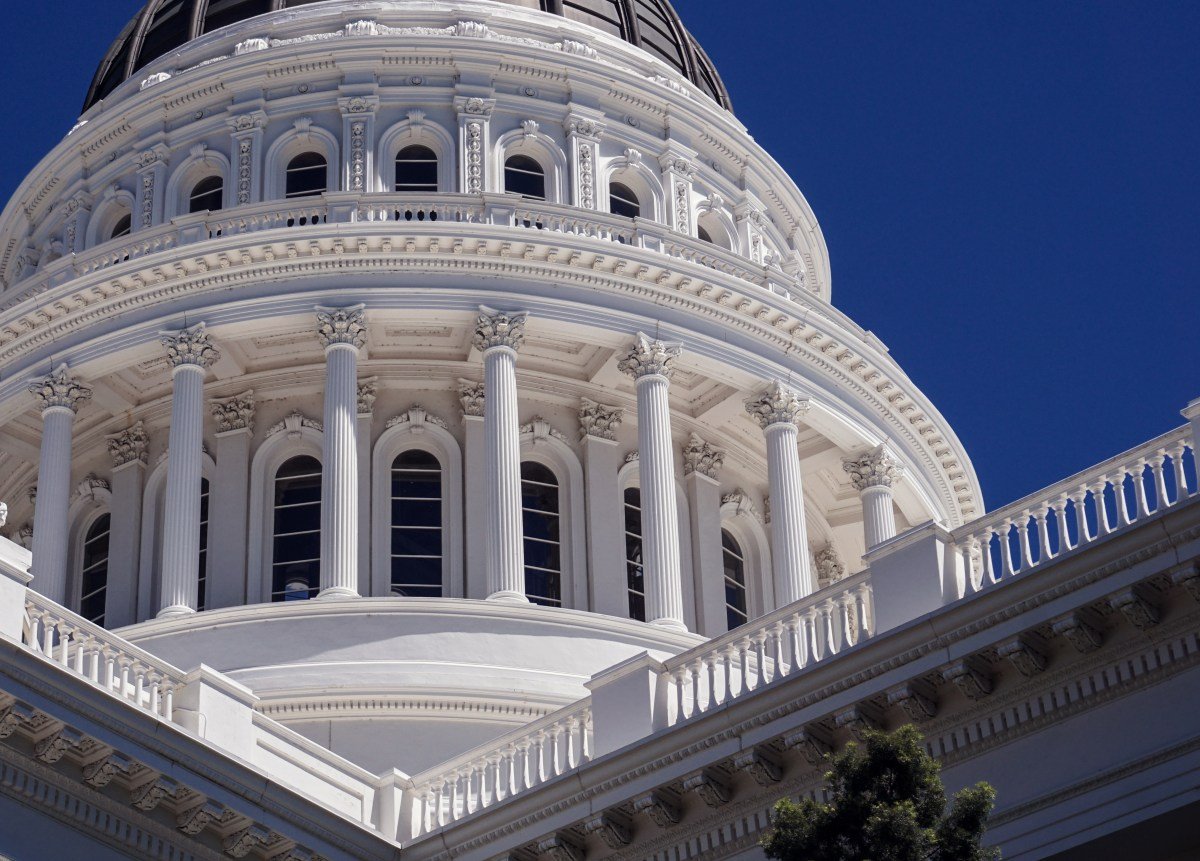
California’s state senate recently gave final approval to a new AI safety bill, SB 53, sending it to Governor Gavin Newsom to either sign or veto.
If this all sounds familiar, that’s because Newsom vetoed another AI safety bill, also written by state senator Scott Wiener, last year. But SB 53 is narrower than Wiener’s previous SB 1047, with a focus on big AI companies making more than $500 million in annual revenue.
I got the chance to discuss SB 53 with my colleagues Max Zeff and Kirsten Korosec on the latest episode of TechCrunch’s flagship podcast Equity. Max believes that Wiener’s new bill has a better shot of becoming law, partly because of that big company focus, and also because it’s been endorsed by AI company Anthropic.
Read a preview of our conversation about AI safety and state-level legislation below. (I’ve edited the transcript for length, clarity, and to make us sound slightly smarter.)
Max: Why should you care about AI safety legislation that’s passing a chamber in California? We’re entering this era where AI companies are becoming the most powerful companies in the world, and this is going to be potentially one of the few checks on their power.
This is much narrower than SB 1047, which got a lot of pushback last year. But I think SB 53 still puts some meaningful regulations on the AI labs. It makes them publish safety reports for their models. If they have an incident, it basically forces them to report that to the government. And it also, for employees at these labs, if they have concerns, gives them a channel to report that to the government and not face pushback from the companies, even though a lot of them have signed NDAs.
To me, this feels like a potentially meaningful check on tech companies’ power, something we haven’t really had for the last couple of decades.
Techcrunch event
San Francisco
|
October 27-29, 2025
Kirsten: To your point about why it matters at the state level, it’s important to think about the fact that it’s California. Every major AI company is pretty much, if not based here, it has a major footprint in this state. Not that other states don’t matter — I do not want to be getting emails from the folks in Colorado or whatever — but it does matter that it’s specifically California because it’s really a hub of AI activity.
My question for you though, Max, is it just seems like there’s a lot of exceptions and carve outs. It’s narrower, but is it more complicated than the previous [bill]?
Max: In some ways, yes. I would say the main carve out of this bill is that it really tries to not apply to small startups. And basically, one of the main controversies around the last legislative effort from Senator Scott Weiner, who represents San Francisco, who authored this bill, a lot of people said it could harm the startup ecosystem, which a lot of people take issue with because that’s such a booming part of California’s economy right now.
This bill specifically applies to AI developers that are [generating] more than $500 million [from] their AI models. This really tries to target OpenAI, Google DeepMind, these big companies and not your run-of-the-mill startup.
Anthony: As I understand it, if you’re a smaller startup, you do have to share some safety information, but not nearly as much.
It’s [also] worth talking about the broader landscape around AI regulation and the fact that one of the big changes between last year and this year is, now we have a new president. The federal administration has taken much more of a stance of no regulation and companies should be able to do what they want, to the extent that they’ve actually included [language] in funding bills saying states cannot have their own AI regulation.
I don’t think any of that has passed so far, but potentially they could try to get that through in the future. So this could be another front in which the Trump administration and blue states are fighting.
Equity is TechCrunch’s flagship podcast, produced by Theresa Loconsolo, and posts every Wednesday and Friday.
Subscribe to us on Apple Podcasts, Overcast, Spotify and all the casts. You also can follow Equity on X and Threads, at @EquityPod.
